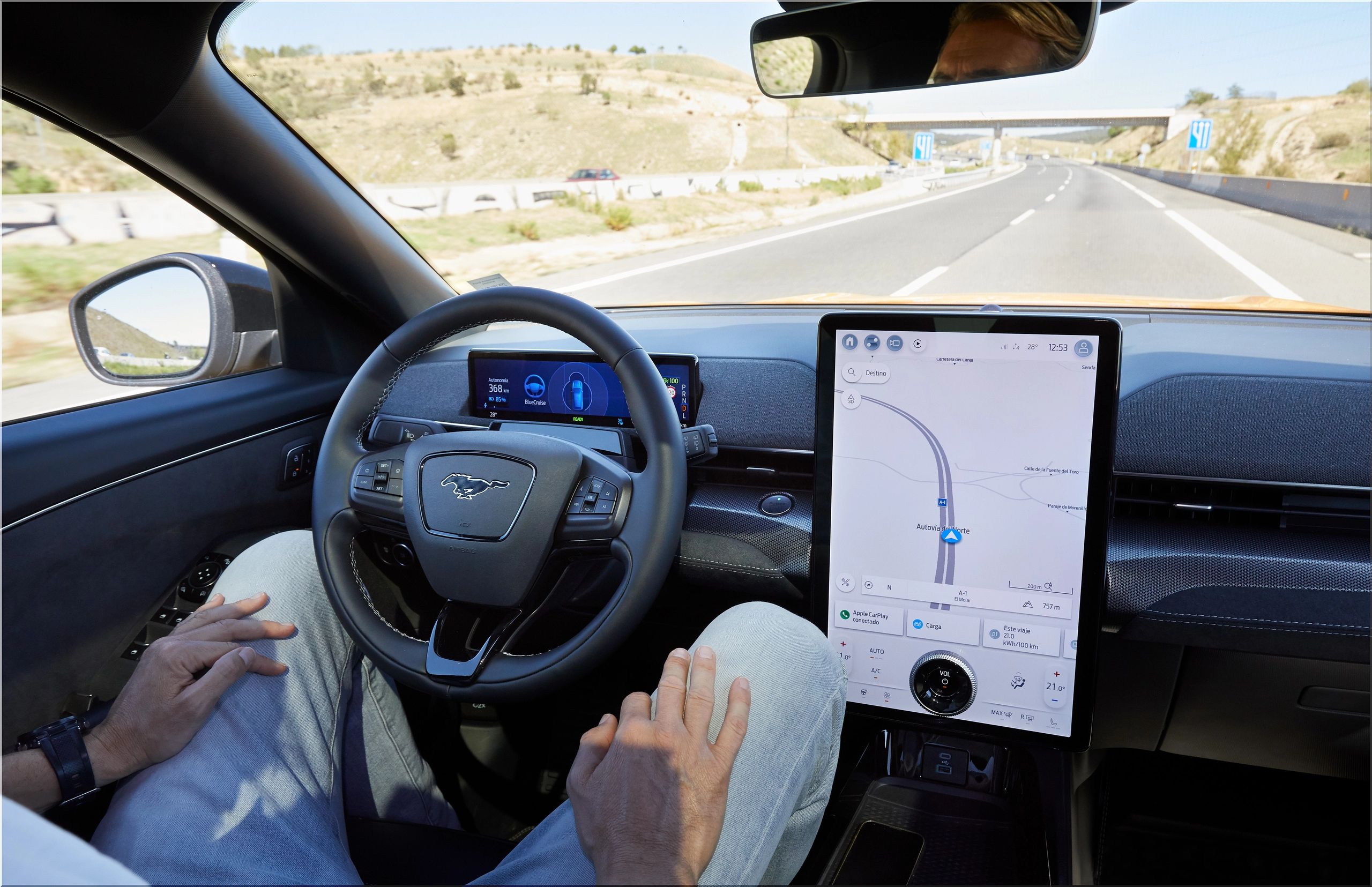
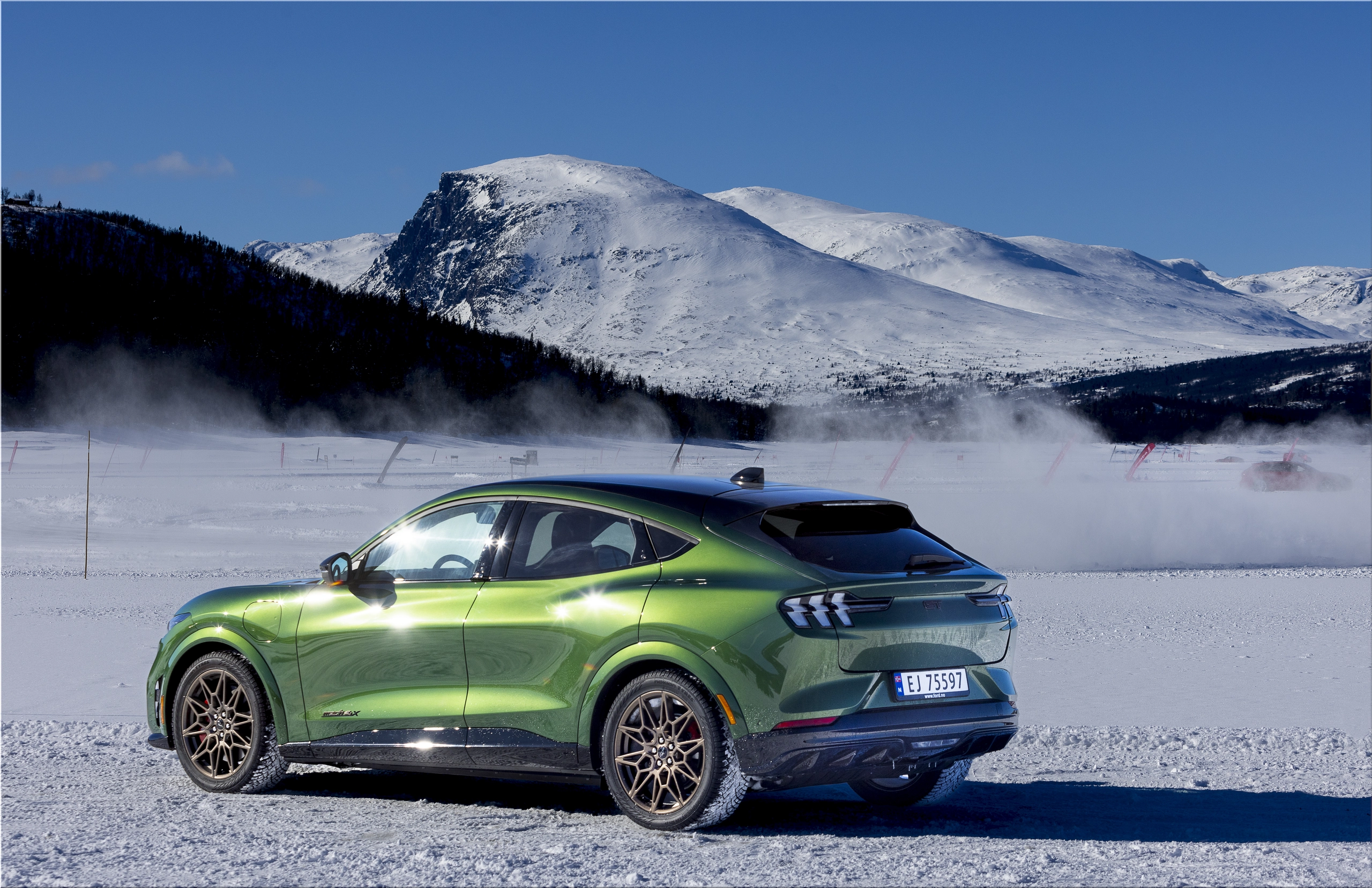
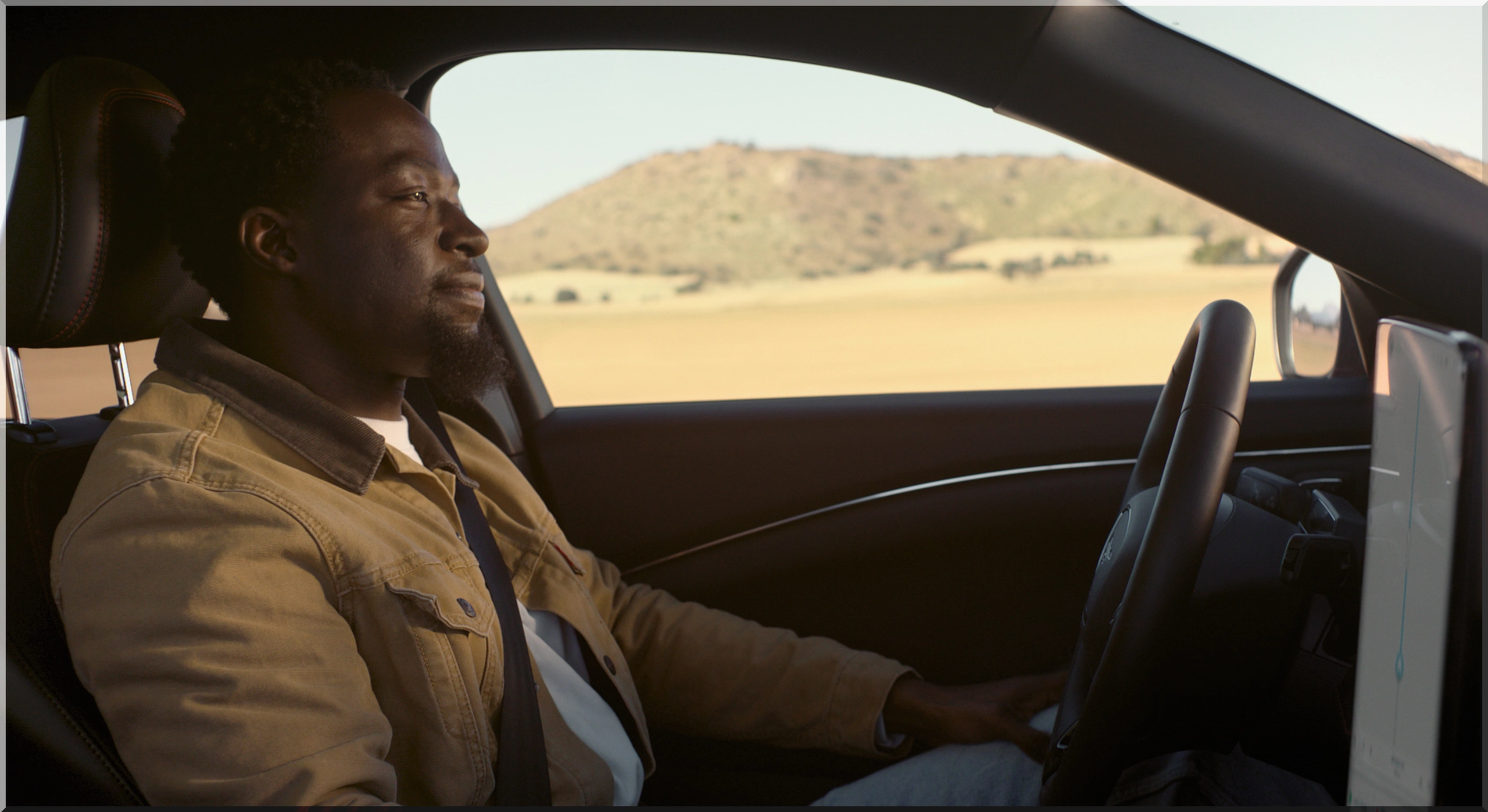
Ford has flipped the switch on one of the biggest driver-assistance upgrades yet for Norwegian EV owners. From April 16, 2026, more than 10,000 Norwegian Ford Mustang Mach-E drivers can use BlueCruise for hands-free driving on approved highway sections in Norway, provided their vehicles have the required driver-facing infrared camera hardware.
That matters because this rollout turns a hardware-ready EV fleet into a software-enabled one. Specifically, Ford pushed the feature through an over-the-air update, then tied activation to the owner's Ford account. That approach cuts workshop downtime, speeds adoption, and shows how modern EV value often arrives through code rather than sheetmetal.
What Ford Actually Enabled in Norway
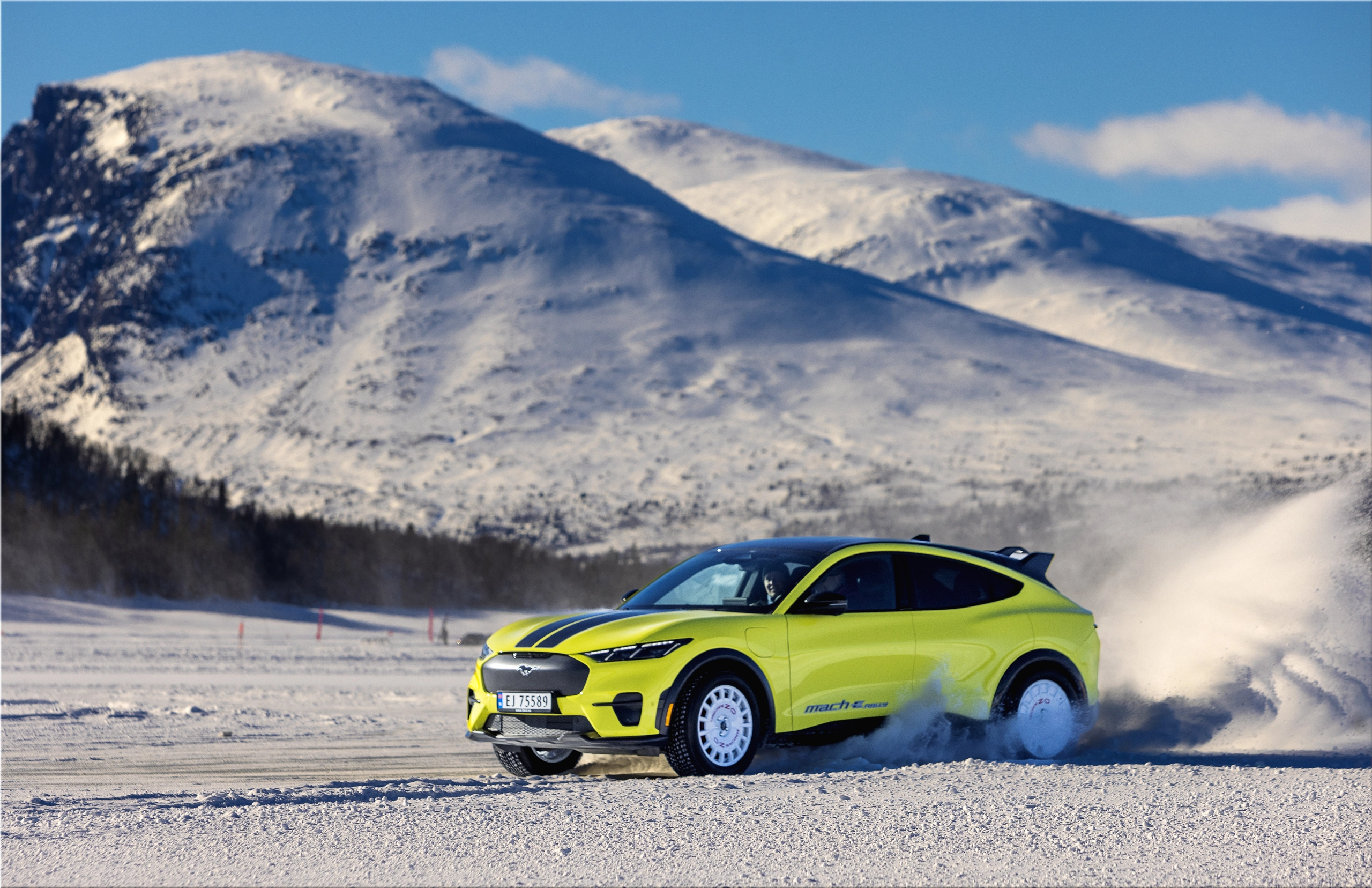
Ford's Norwegian launch centers on selected Blue Zones on the E6 and E18 corridors. In practical terms, BlueCruise now works on major stretches between the Swedish border and Oslo, sections between Drammen and Sandvika, parts of the E18 running south toward Sandefjord, and portions of the E18 through Ostfold.
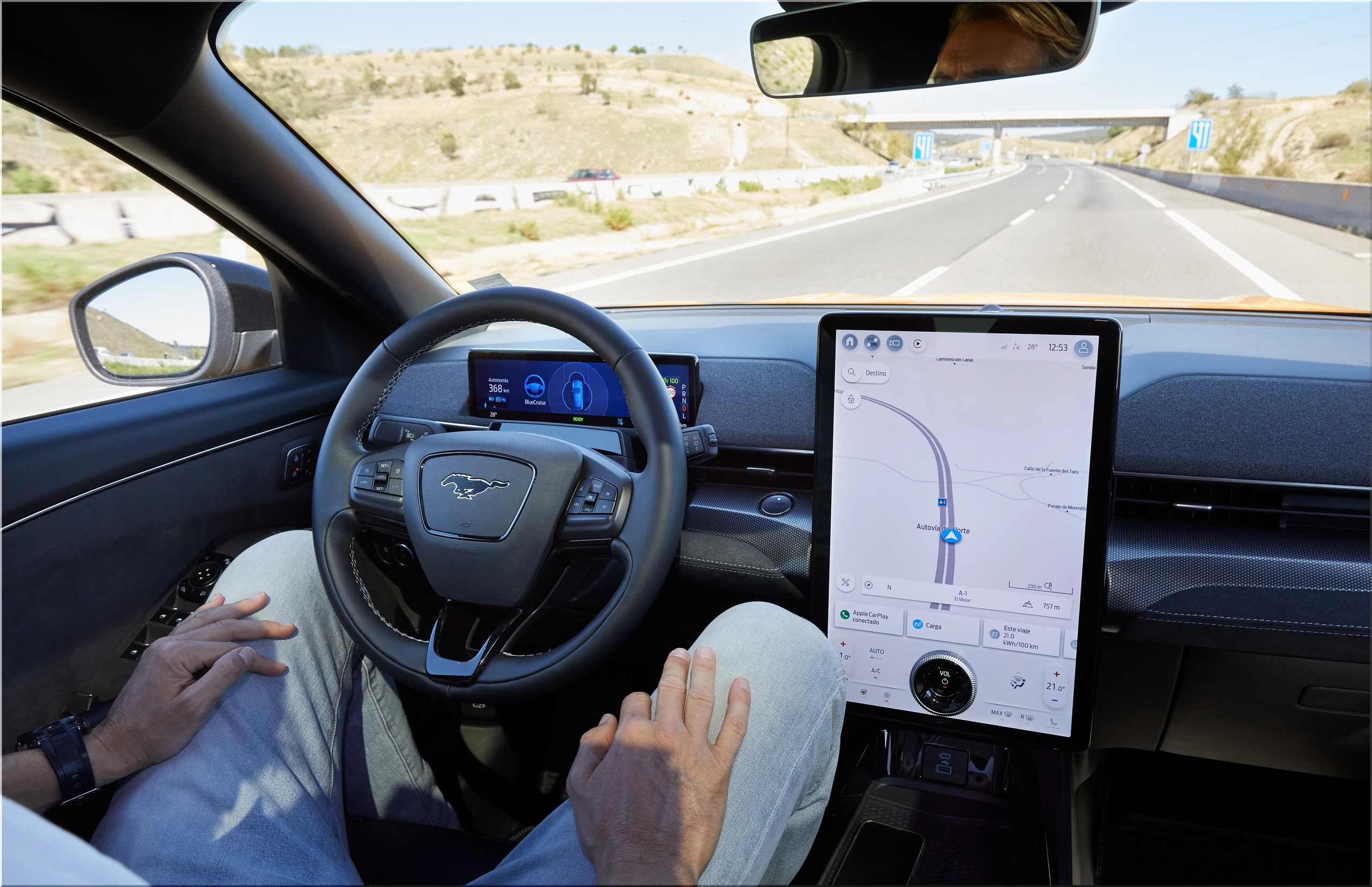
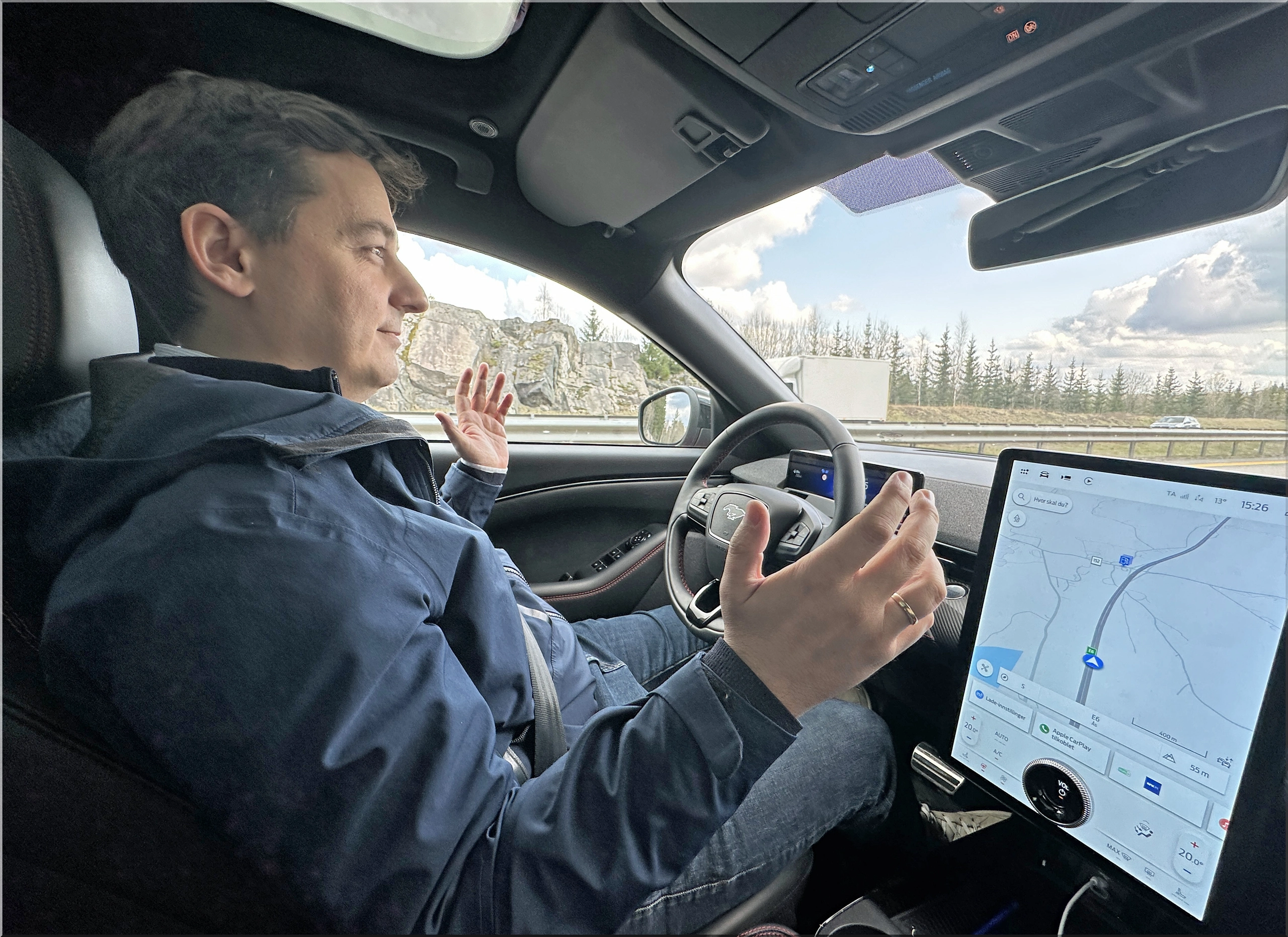
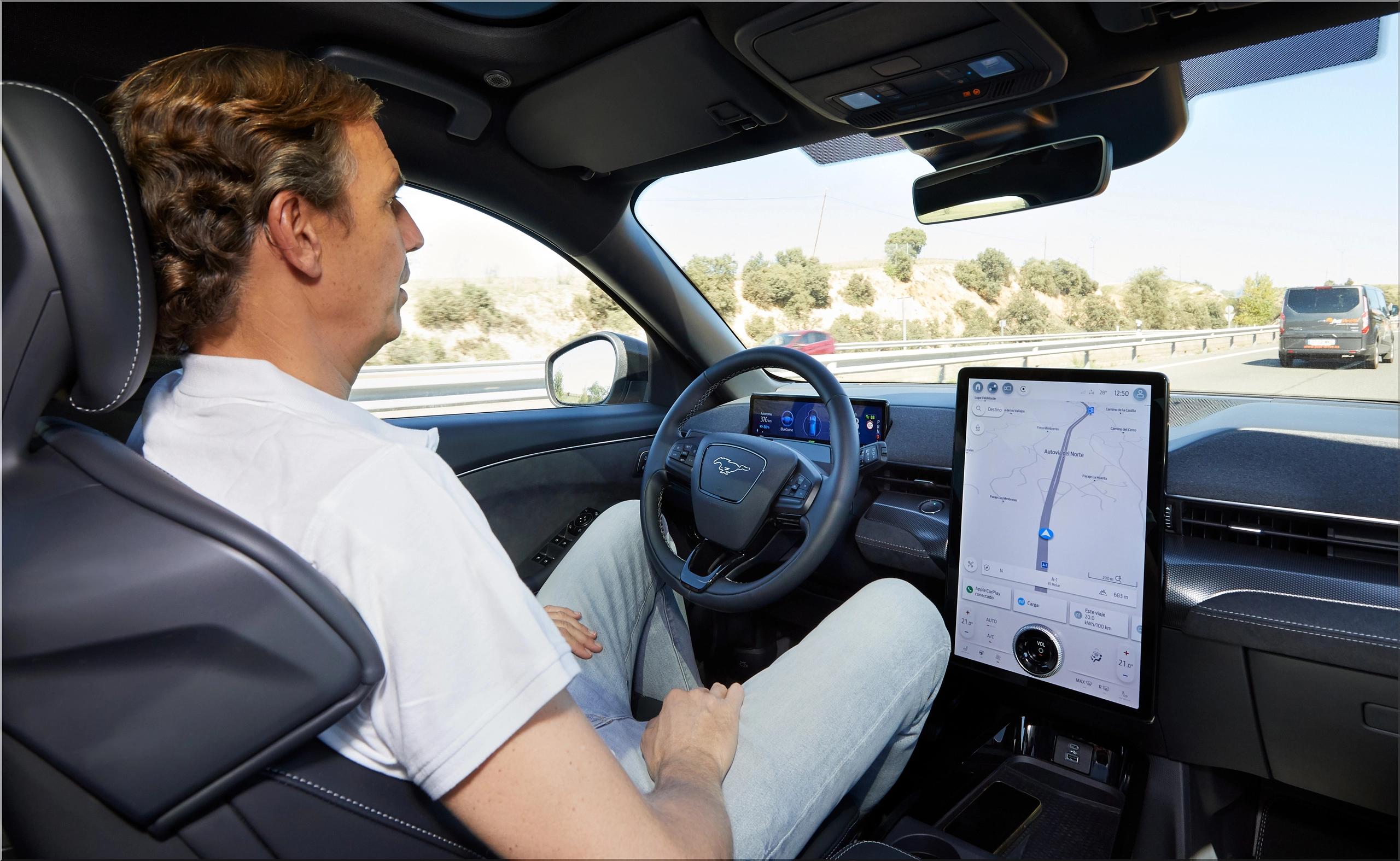
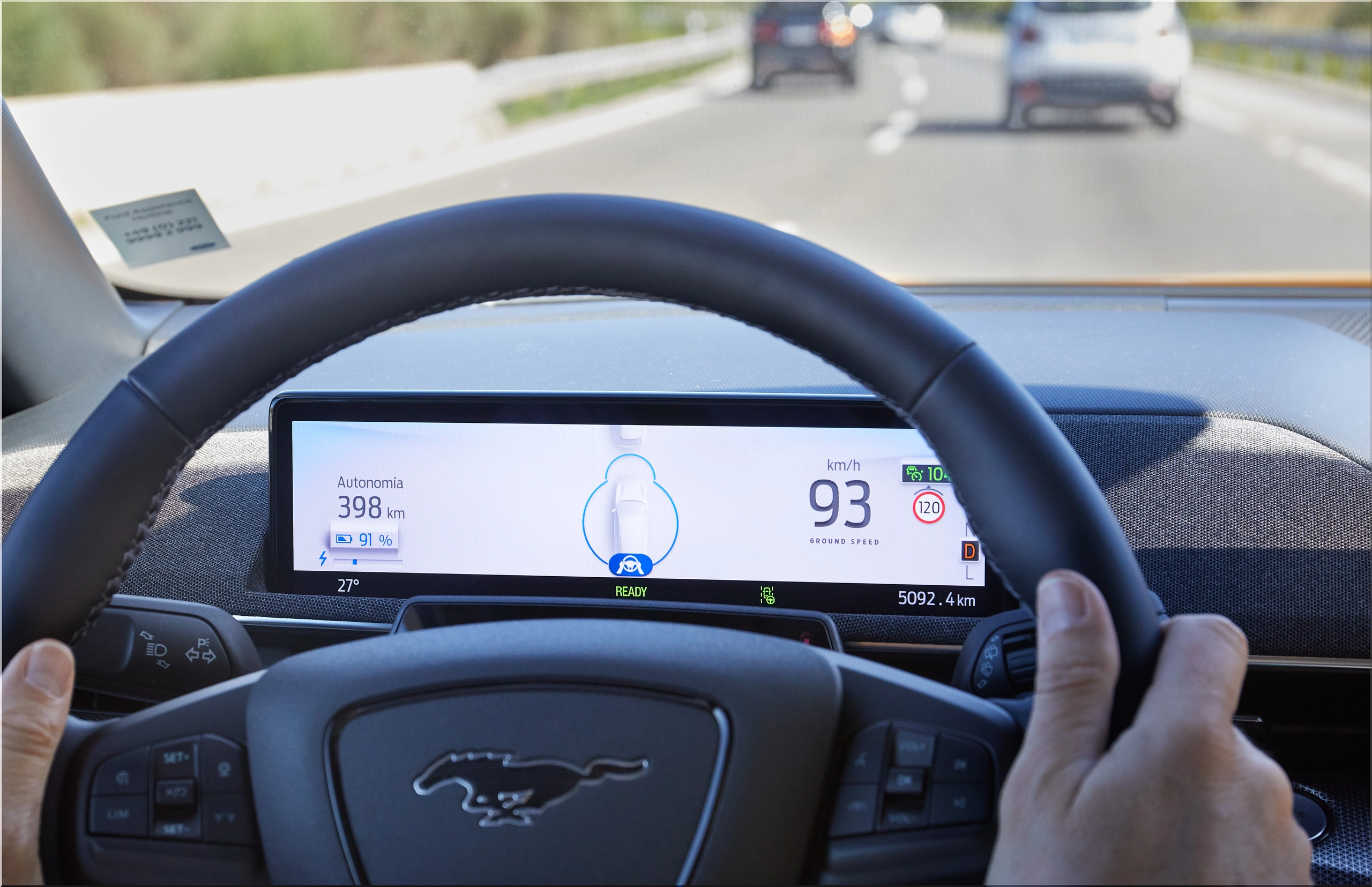
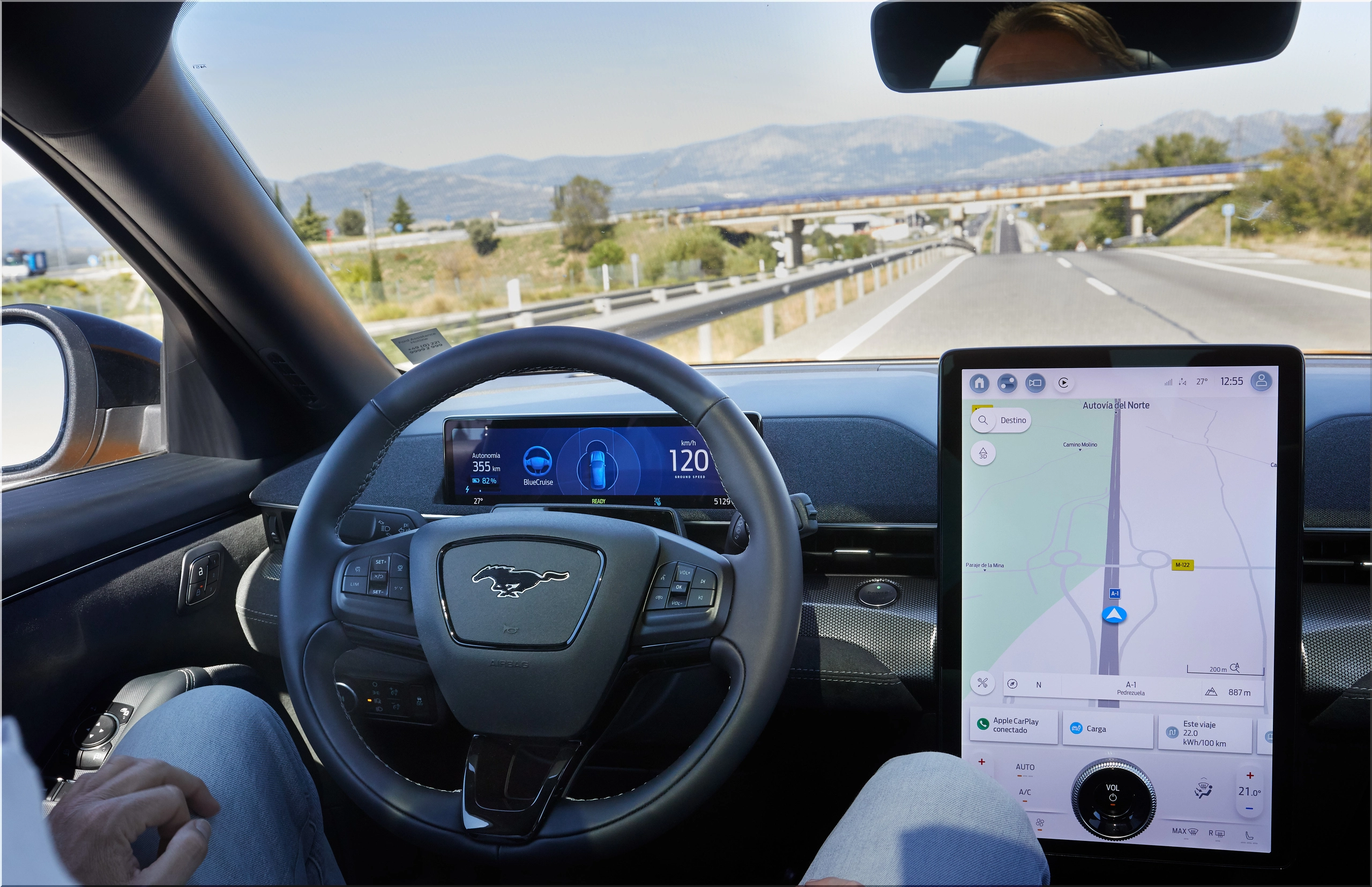
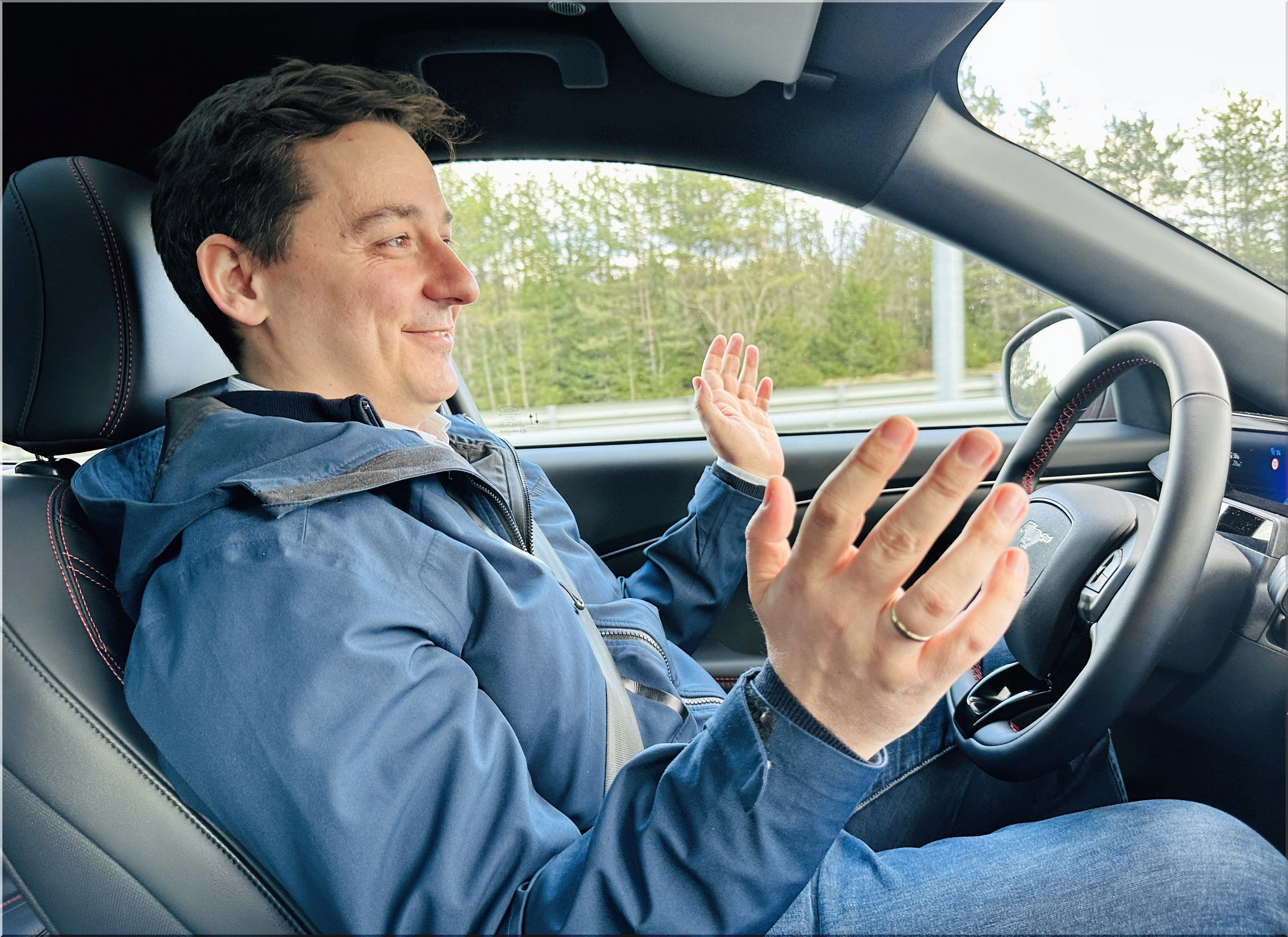
The system still requires full driver attention. Ford lets the driver remove their hands from the wheel, but the driver's eyes stay on the road. Consequently, this remains a Level 2 advanced driver assistance system, not an autonomous driving package.
Key rollout facts
- More than 10,000 Norway-sold Mustang Mach-E models qualify
- Eligible vehicles date back to cars sold since 2021, as long as they include the required infrared camera
- MY23.75 and newer Mustang Mach-E models already carry the needed software and hardware as standard
- Ford includes a 90-day free trial
- After that, BlueCruise costs NOK 240 per month
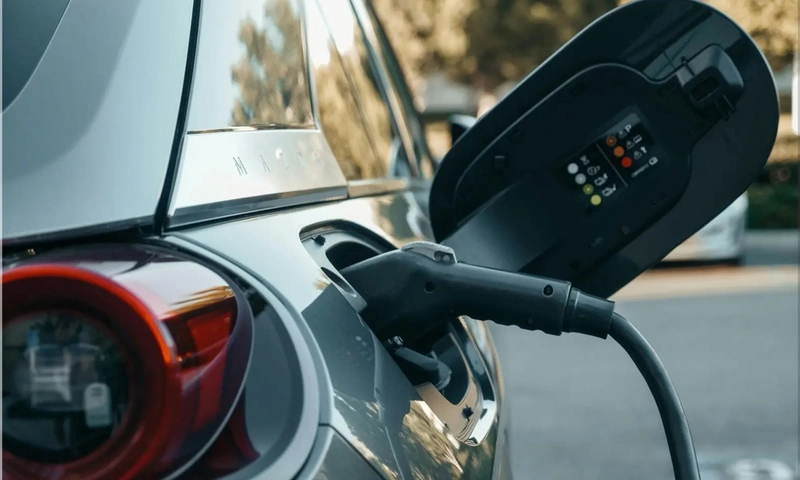
- Owners can activate it through the Ford app or their Ford account
Why This Upgrade Matters More Than It Looks
This story goes past convenience. Ford now gives Mach-E owners in Norway a feature that actively manages steering, acceleration, braking, lane centering, and following distance on approved divided highways. Looking at the data, that makes long motorway runs and stop-and-go congestion far less tiring, which fits real Norwegian driving patterns on major intercity routes.
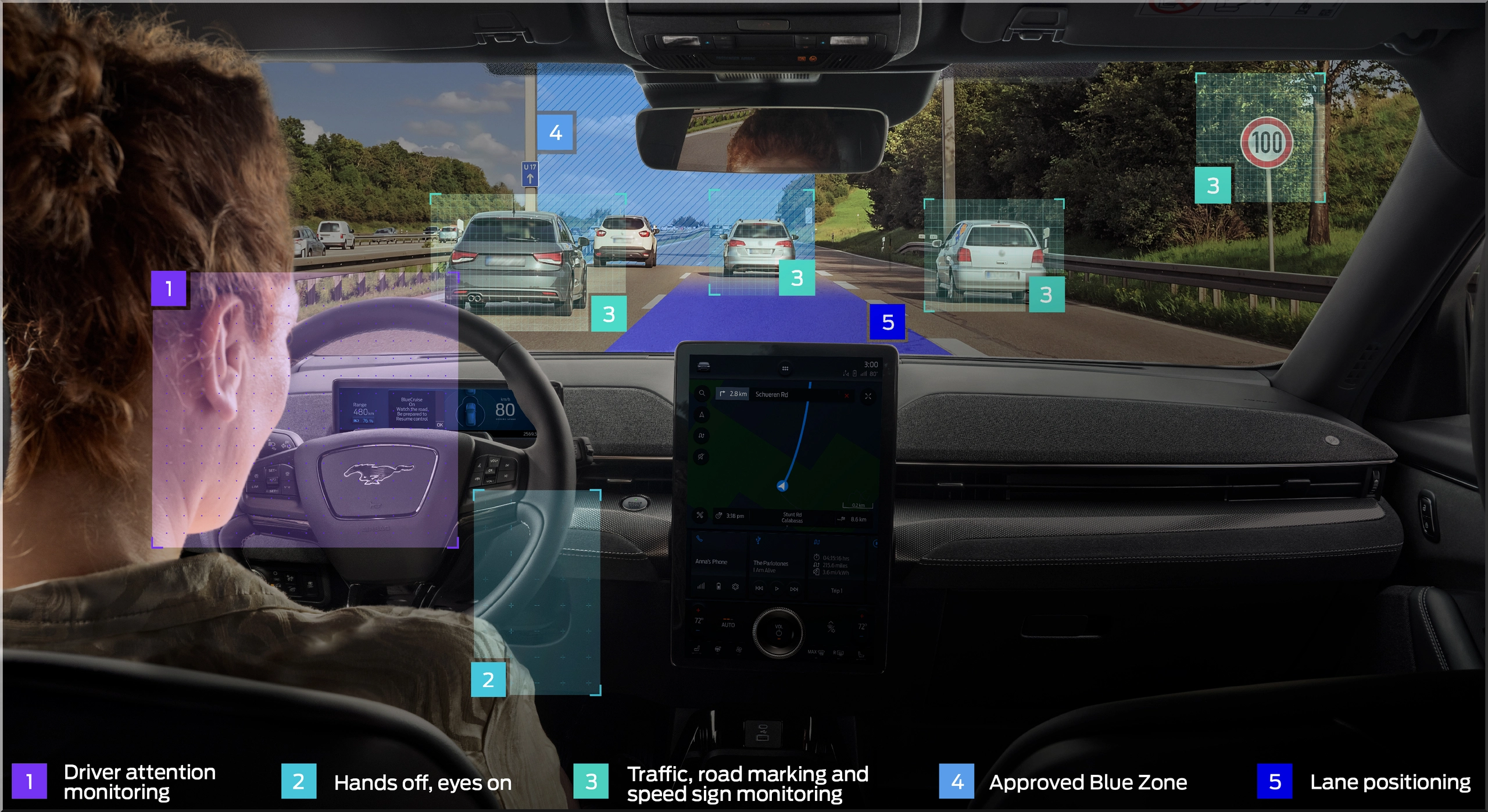
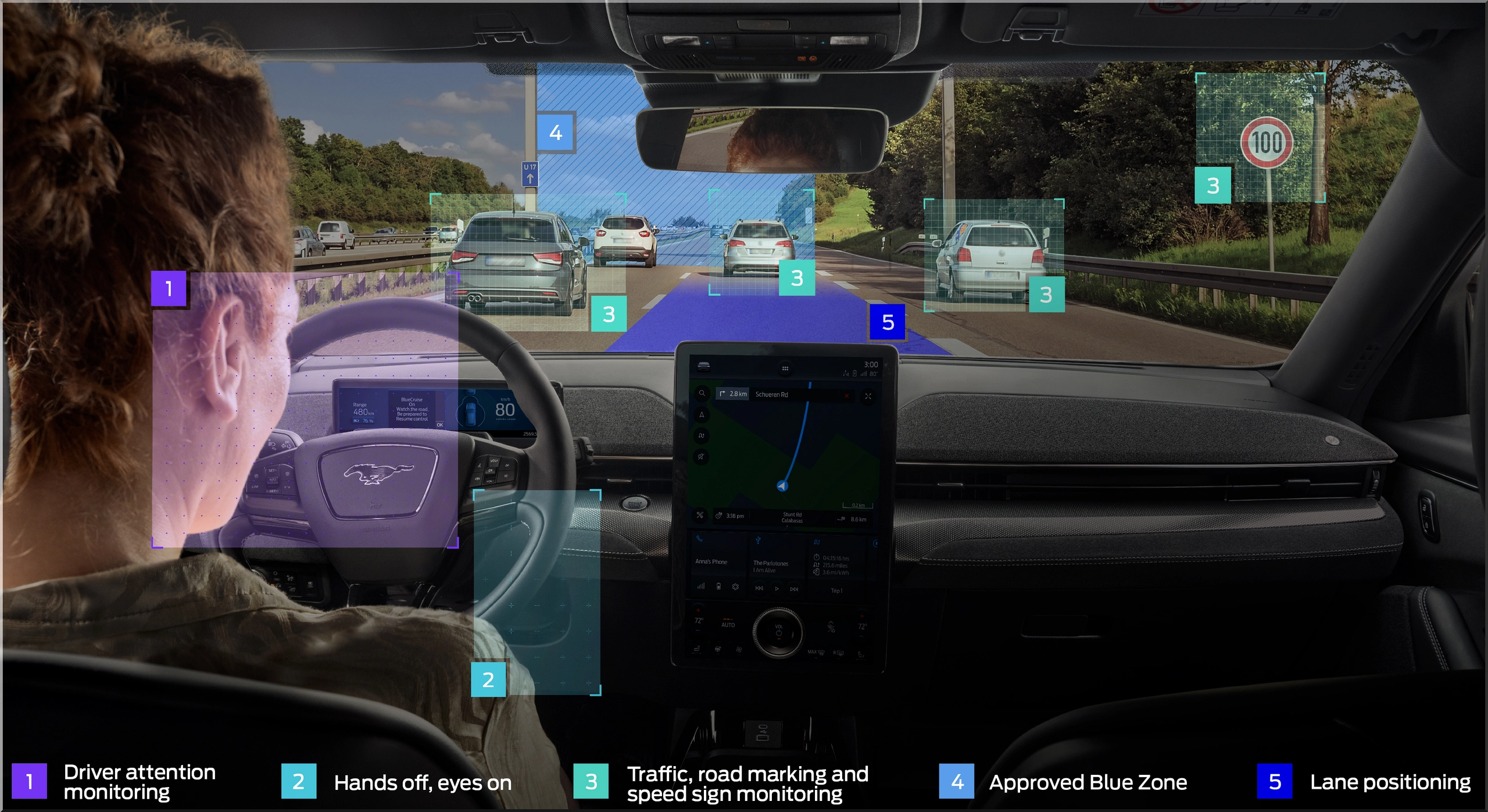
From an expert perspective, the real engineering story sits in the supervision stack. BlueCruise checks lane markings, reads traffic signs, tracks surrounding traffic, and verifies driver attention through an infrared camera mounted on the steering column. That camera monitors gaze direction and head position, even when the driver wears sunglasses. Ford only permits hands-free mode when road conditions, markings, and mapped roadway approval line up.
BlueCruise by the Numbers
| Data Point | Norway Rollout Detail |
|---|---|
| Norwegian eligible Mustang Mach-E vehicles | More than 10,000 |
| Launch date in Norway | April 16, 2026 |
| Free trial period | 90 days |
| Monthly subscription after trial | NOK 240 |
| Initial Norwegian roads | Selected E6 and E18 sections |
| Driver monitoring method | Infrared camera on steering column |
That subscription model gives owners flexibility. A driver planning a summer road trip can switch the service on, use it through the travel period, and cancel later. By comparison, a fixed one-time pricing model would likely create more friction for buyers who only want the system during heavy travel months.
Mustang Mach-E Context: Why This SUV Fits BlueCruise Well
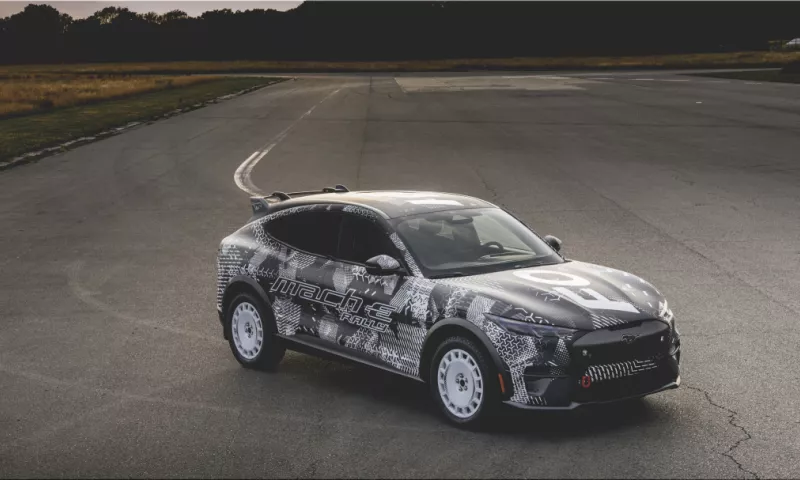
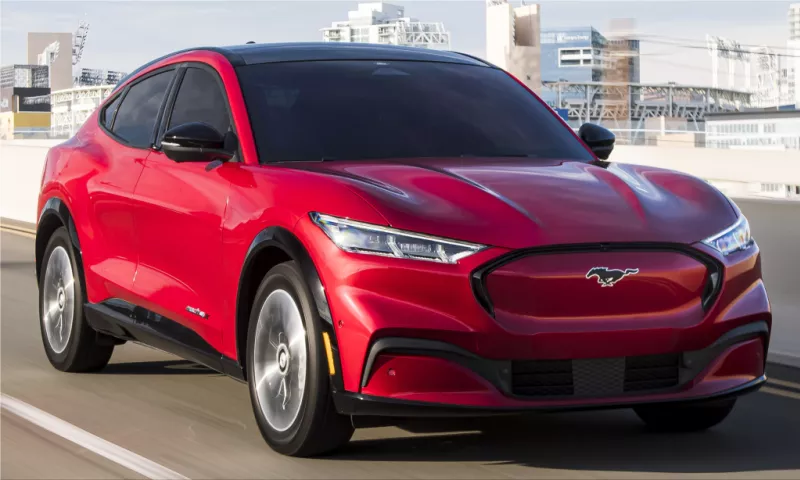
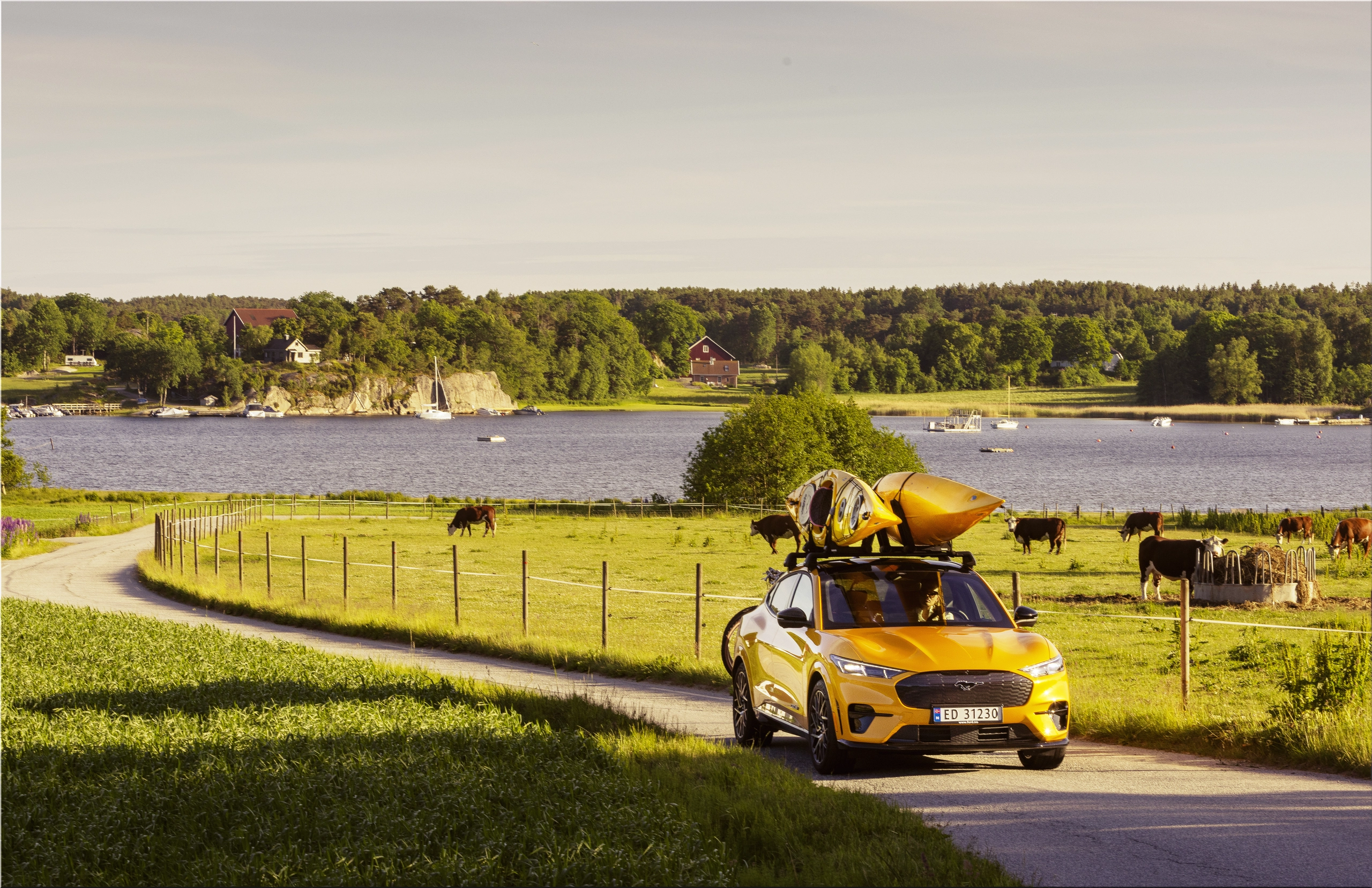
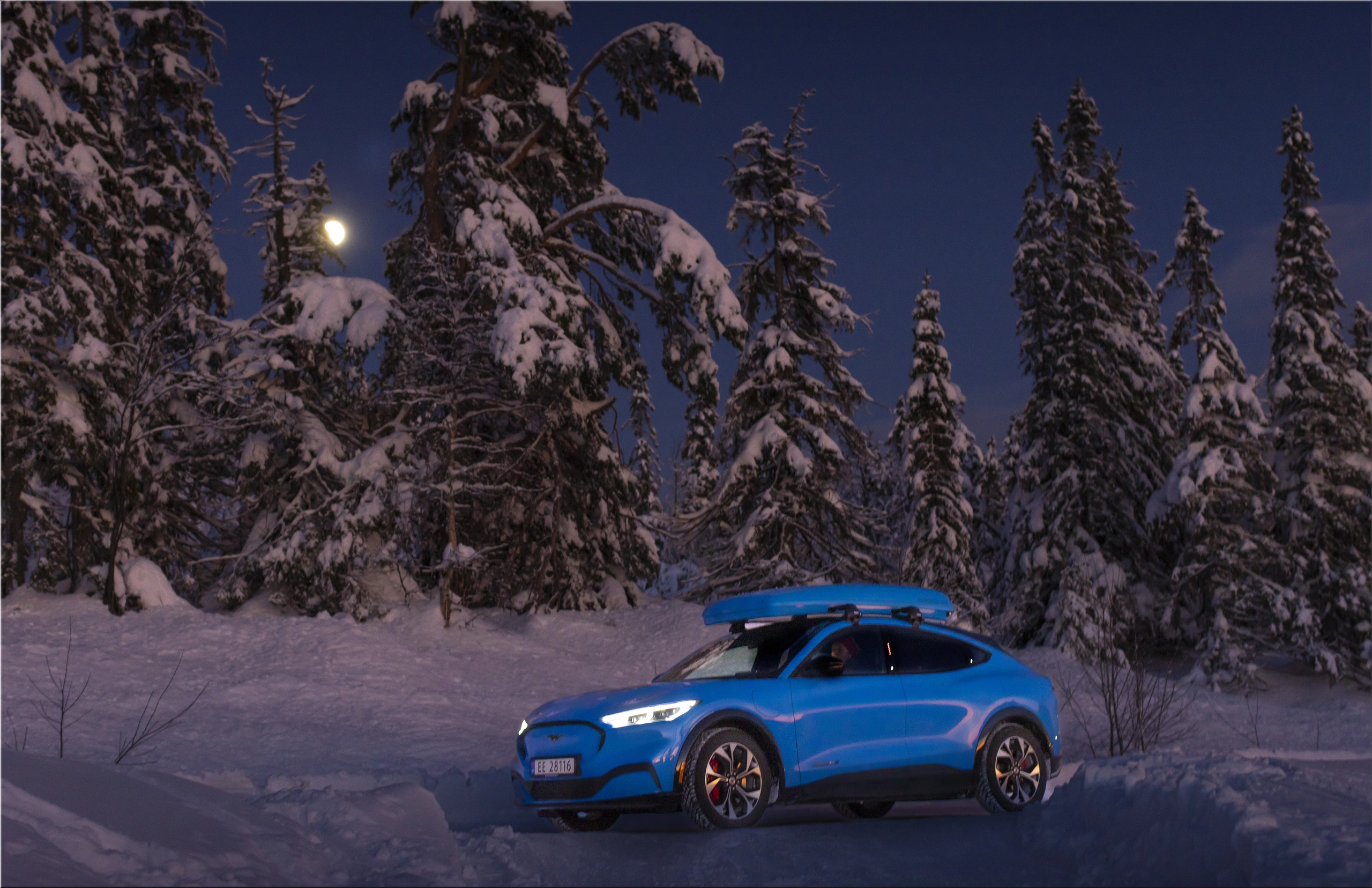
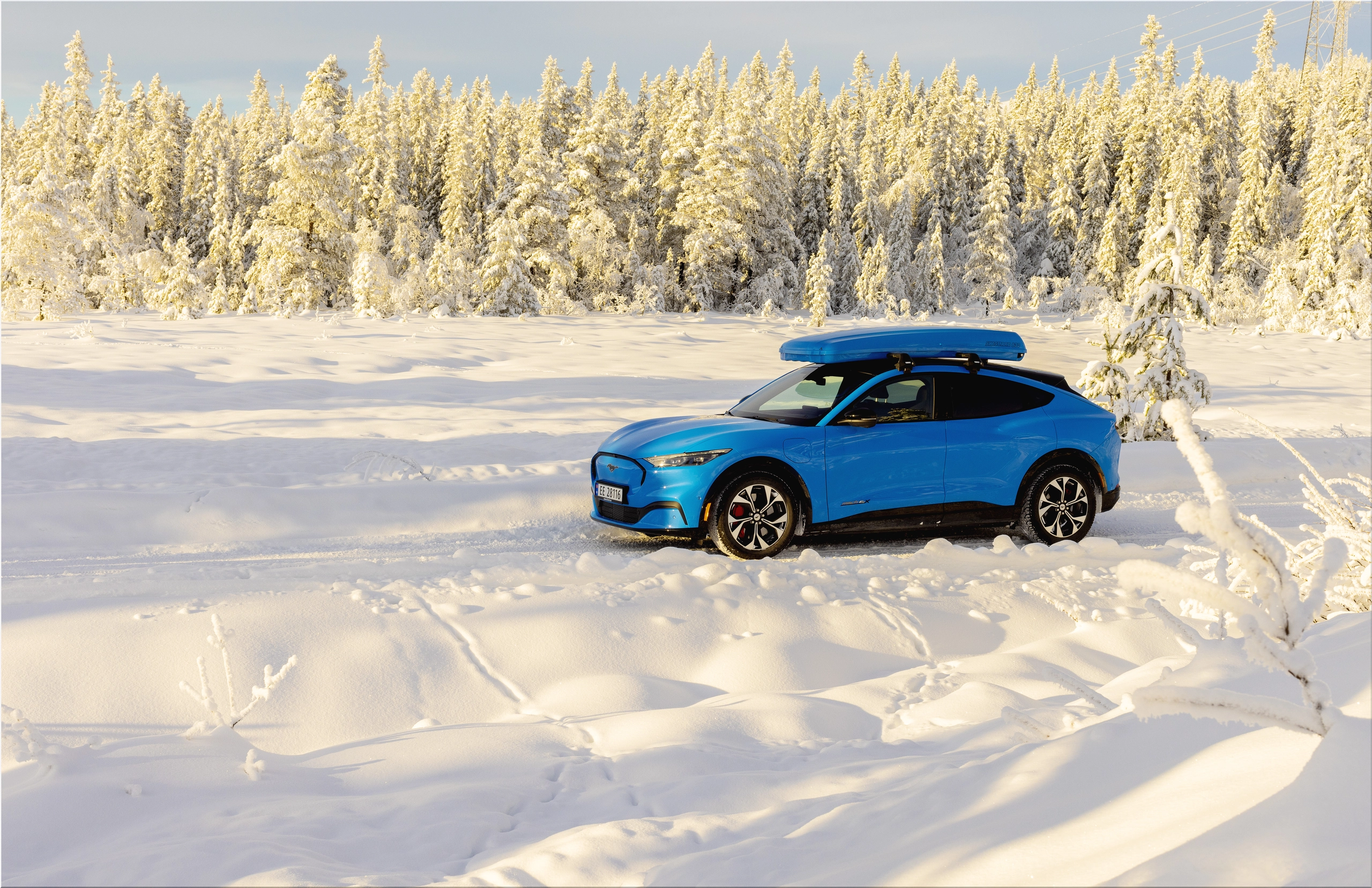
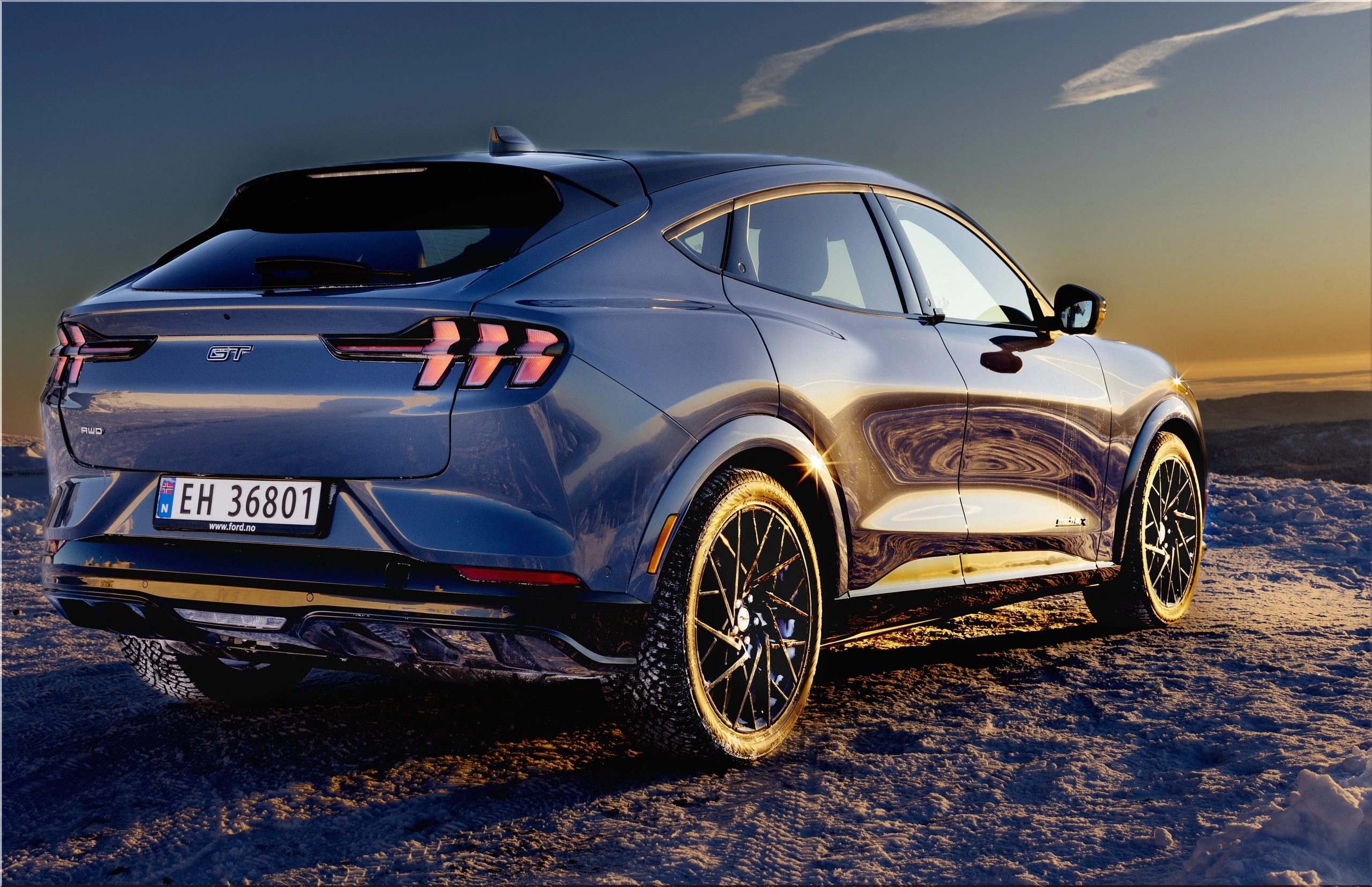
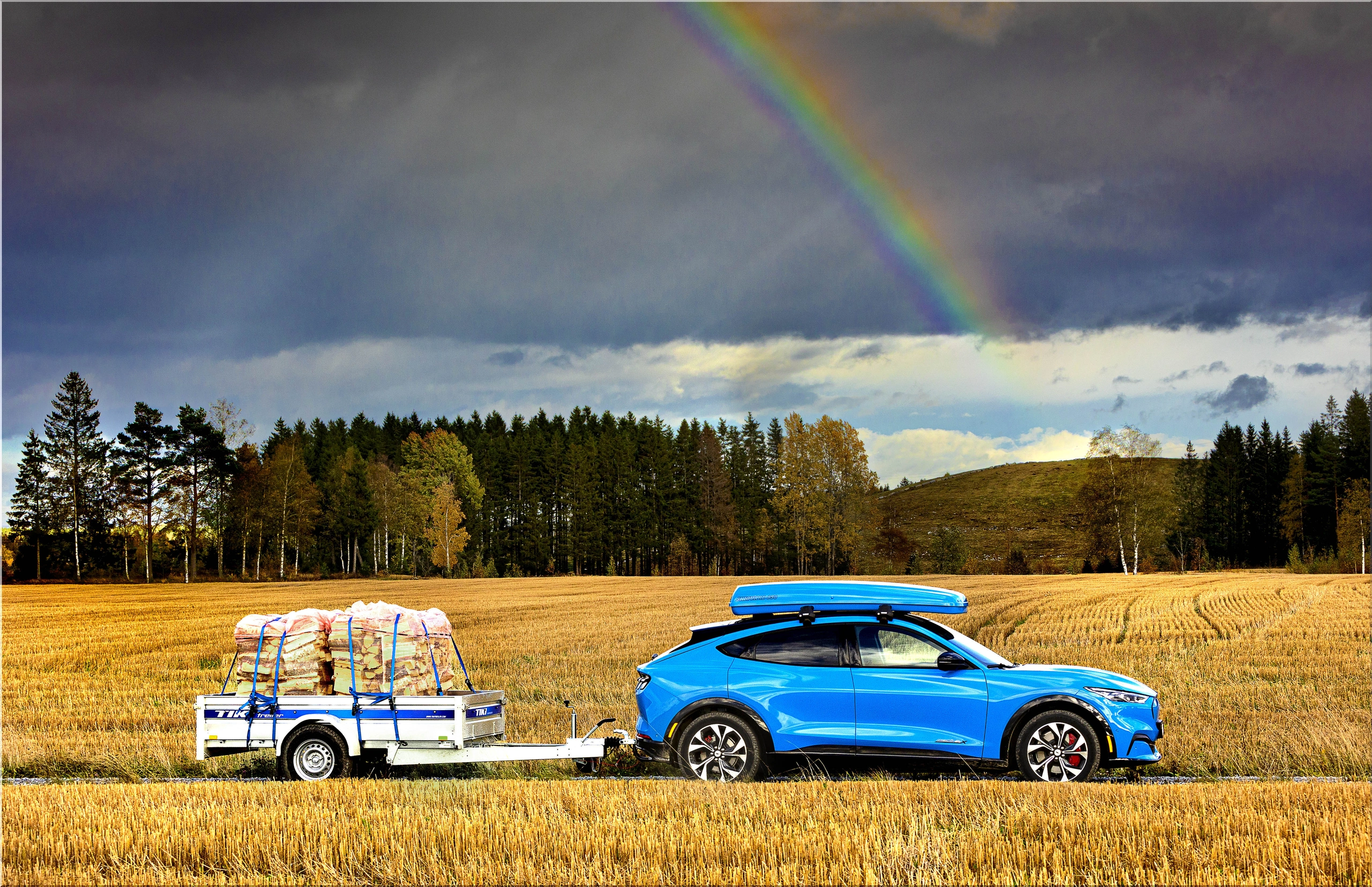
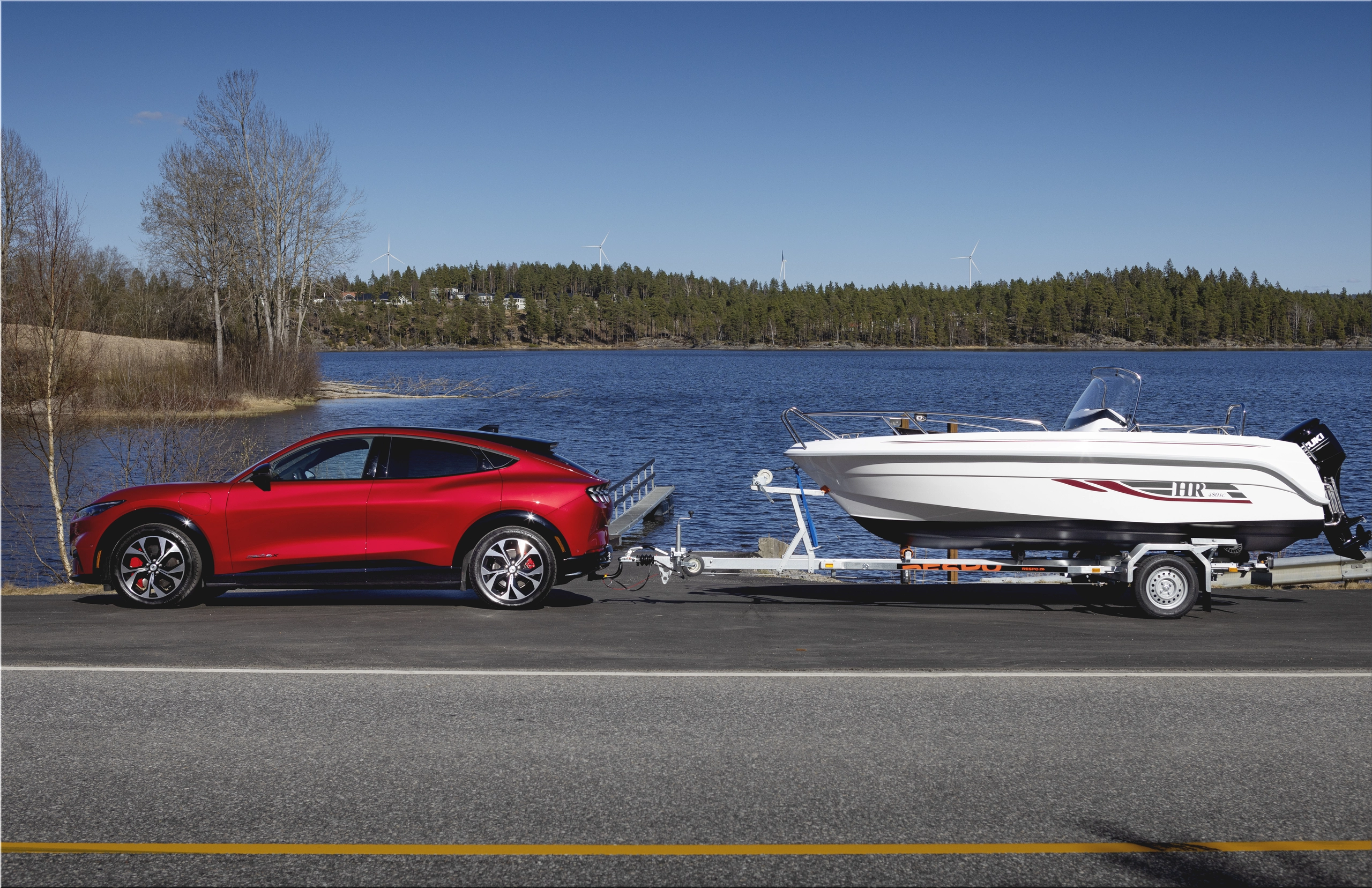
The Ford Mustang Mach-E already gives BlueCruise a strong hardware base. Its long 2,984 mm wheelbase, 4,713 mm overall length, and 1,881 mm body width create a stable footprint for high-speed lane tracking. In inches, that works out to roughly 117.5 inches of wheelbase, 185.6 inches of length, and 74.1 inches of width.
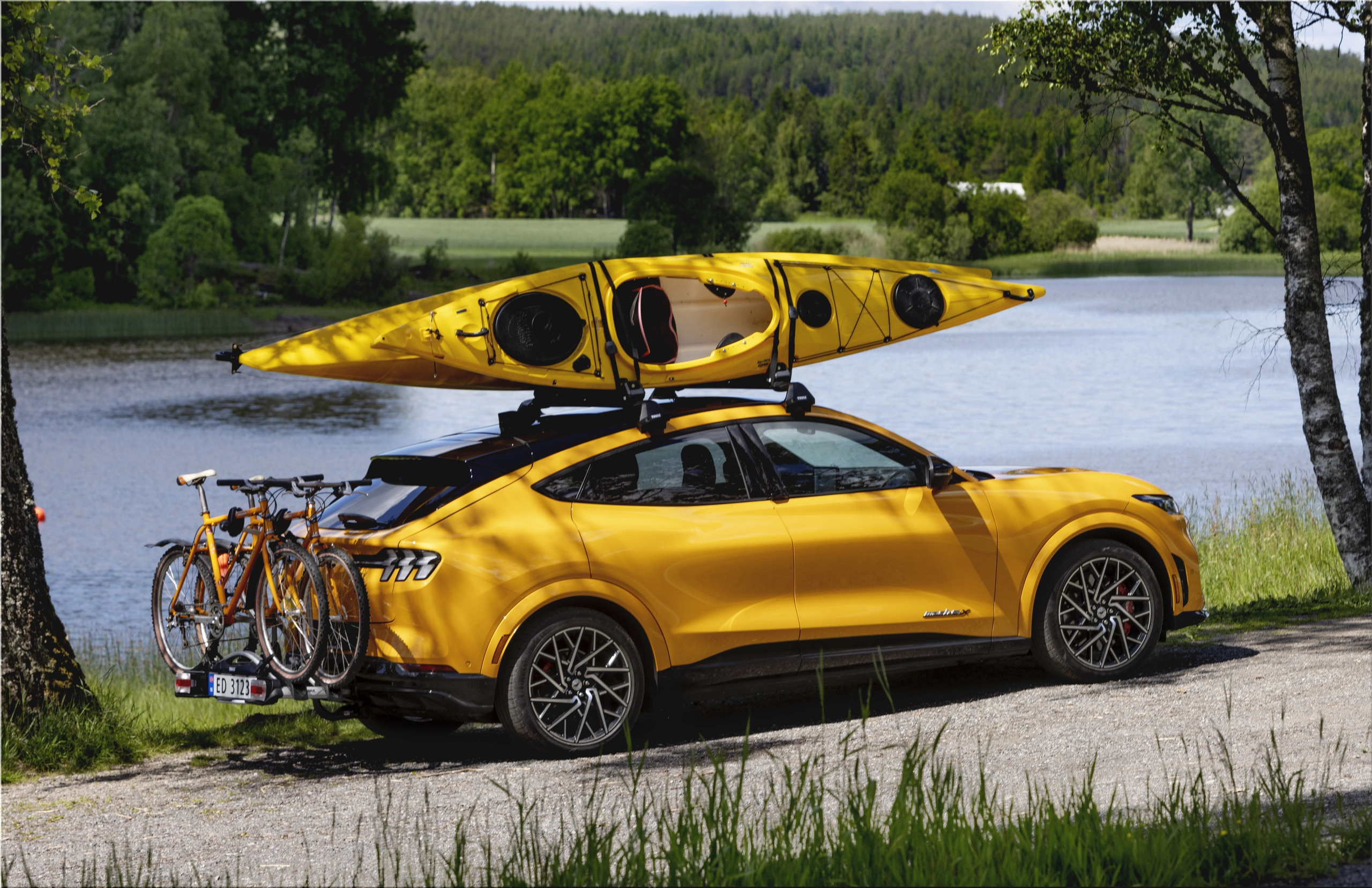
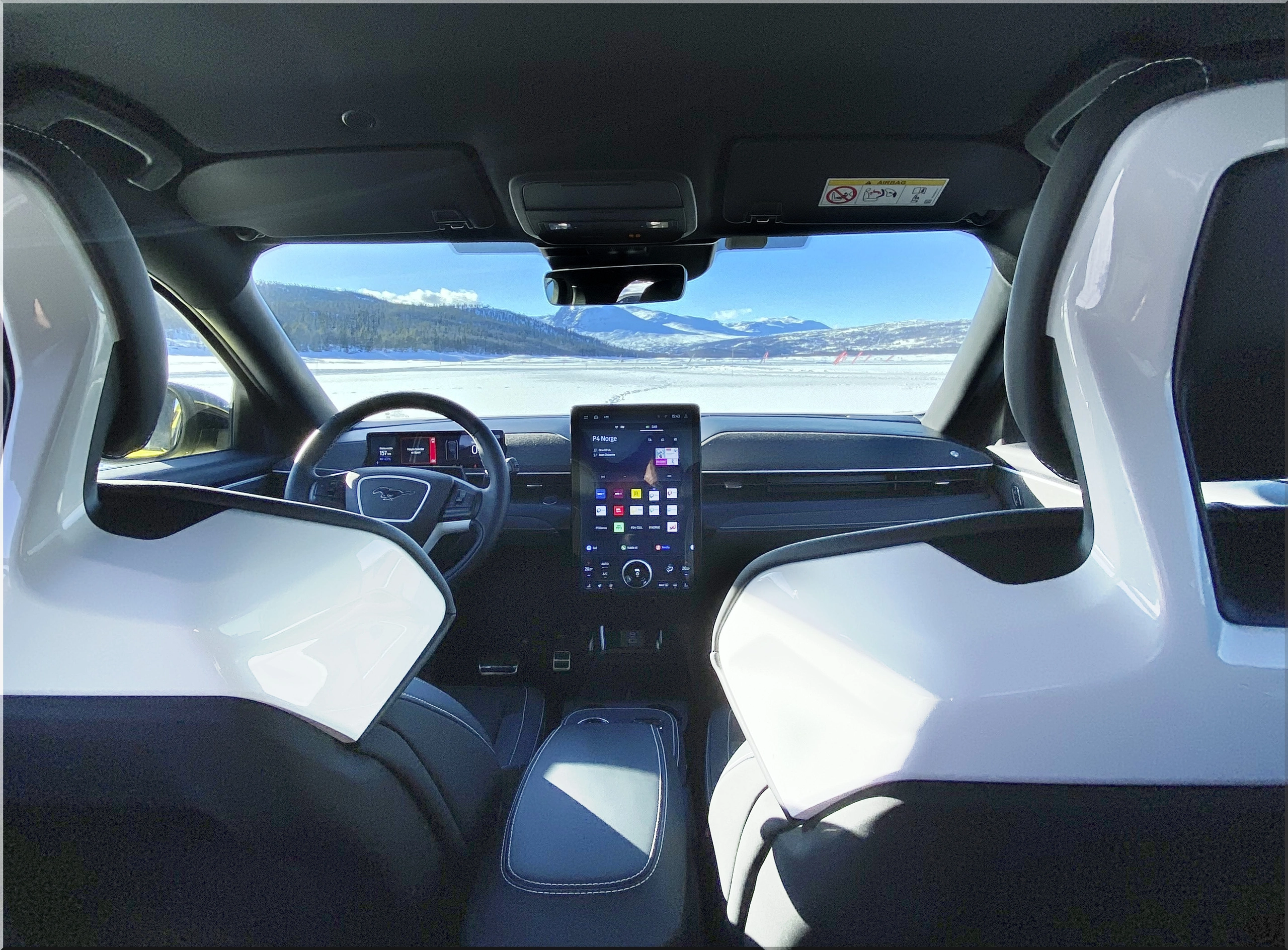
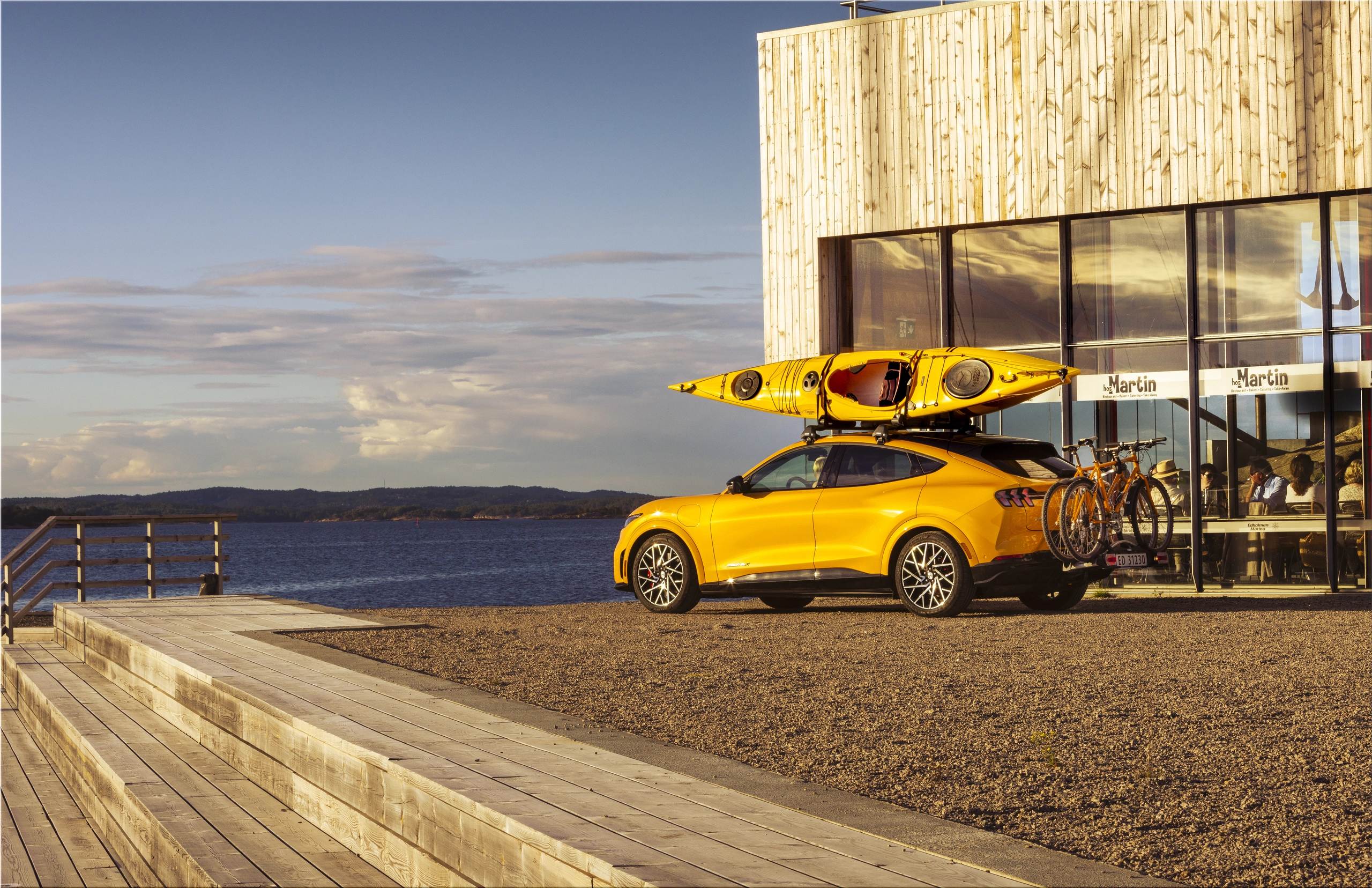
Ford also built the Mach-E around long-distance EV use. Depending on battery and drivetrain configuration, European-spec Mach-E variants have offered up to 610 km WLTP range, with DC fast charging up to 150 kW on extended-range versions. In addition, Ford engineered the vehicle with one-pedal drive, connected route intelligence, and a cabin layout dominated by a 15.5-inch center touchscreen and digital cluster.
Mustang Mach-E core technical context
| Metric | Ford Mustang Mach-E |
|---|---|
| Wheelbase | 2,984 mm / 117.5 in |
| Length | 4,713 mm / 185.6 in |
| Width | 1,881 mm / 74.1 in |
| Peak WLTP range quoted by Ford | Up to 610 km |
| Max DC fast charging quoted by Ford | Up to 150 kW |
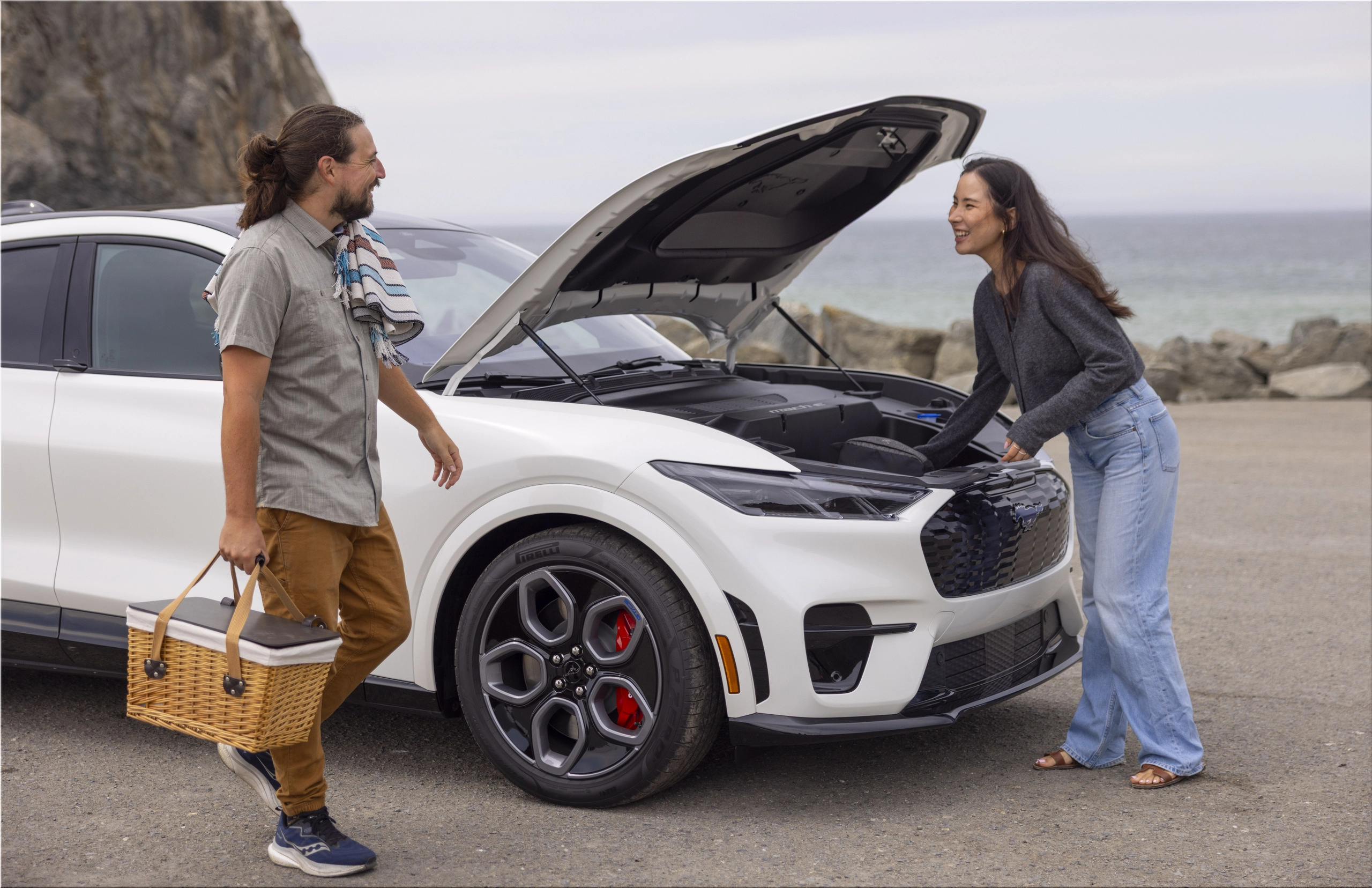
| Front trunk volume | 136 L / 4.8 cu ft |
That packaging matters. A longer wheelbase tends to support calmer high-speed tracking, while EV torque delivery allows smoother micro-adjustments in traffic. BlueCruise benefits from both.
Europe Gives the Norway Launch Extra Weight
Ford did not launch this system in a vacuum. BlueCruise already operates across 16 European markets, and Ford says drivers can use it on more than 133,000 km of approved highways across Europe. That means Norwegian Mach-E owners now gain access not only to domestic Blue Zones, but also to a large cross-border hands-free network.
Ford puts that scale into perspective with road-trip math. The company says about 92% of the Oslo-to-Barcelona drive and 87% of the Oslo-to-Rome route can now be covered with BlueCruise active on approved roads. That turns a Norway software update into a continental usability upgrade.
Pro-Tips for Mustang Mach-E Owners Considering BlueCruise
- Use the 90-day trial during a period with known motorway travel so you can judge real value
- Confirm your Mach-E has the driver-facing infrared camera before expecting activation
- Treat BlueCruise as a fatigue-reduction tool, not a permission slip to disengage
- Test it first on familiar E6 or E18 sections so you learn its prompts and handoff behavior
- Watch total subscription cost over a year and match it to your actual highway mileage
What Now?
If you own a hardware-ready Mustang Mach-E in Norway, the next move is simple: check your Ford account, activate the trial, and test the system on approved routes. Looking at the broader market, Ford now holds a strong talking point in Norway's EV space: it has turned an existing owner base into a larger hands-free driving fleet without asking those customers to buy a new vehicle.
That is smart product strategy. It rewards early buyers, keeps the Mach-E fresh in a crowded EV market, and proves that software-defined features now play a direct role in ownership value.
- Add new comment
- 109 views