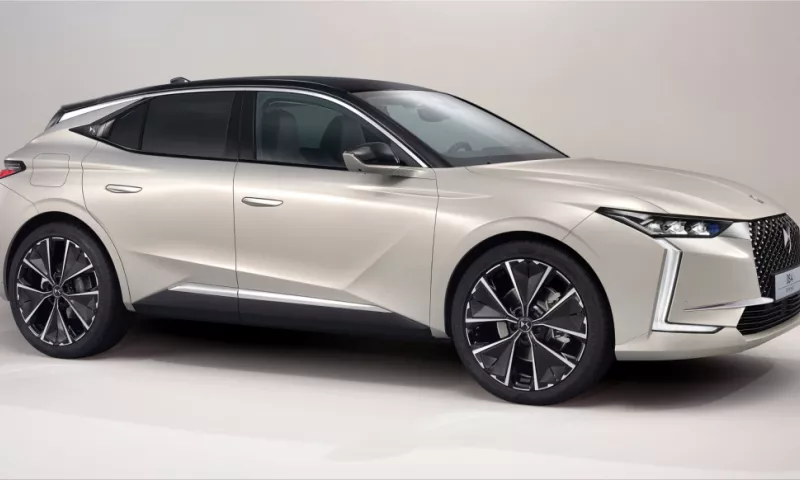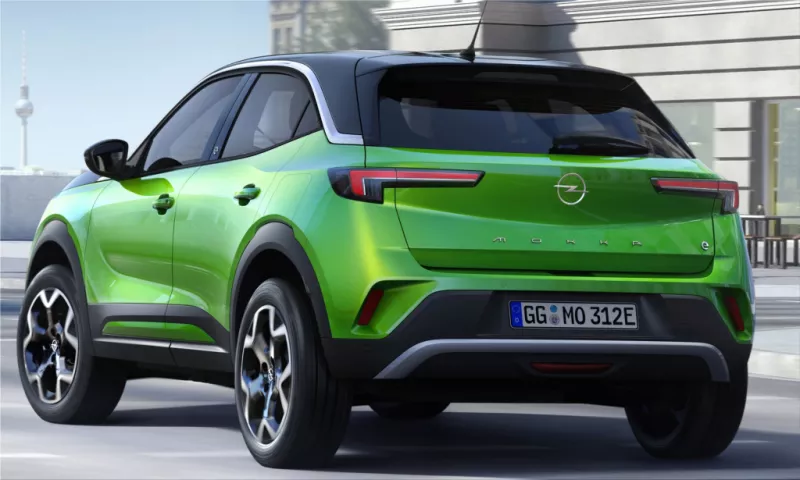
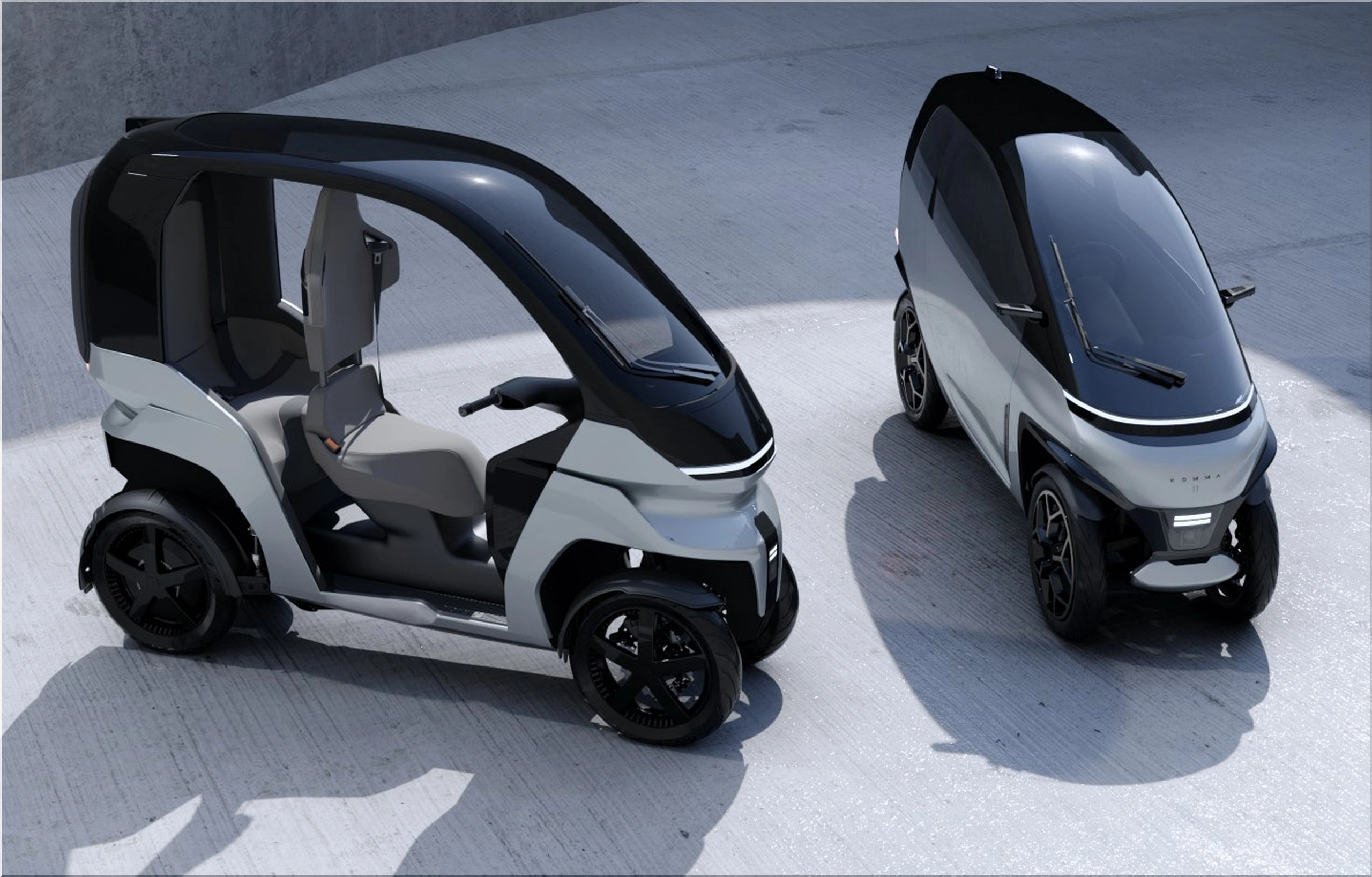
Komma is a compact urban electric vehicle that seats two people and is 80% smaller than the average car. It is designed by Granstudio, a Belgian design and engineering firm, in collaboration with Envisics, a UK-based company specializing in holographic technology. Komma aims to offer a sustainable, affordable, and fun alternative to conventional cars in crowded cities.
What is Komma, and why is it different?
Komma is not just a car but a new mobility concept. It is based on the idea of modularity, meaning that it can be customized and adapted to different needs and preferences. Komma consists of two main parts: the base and the pod.
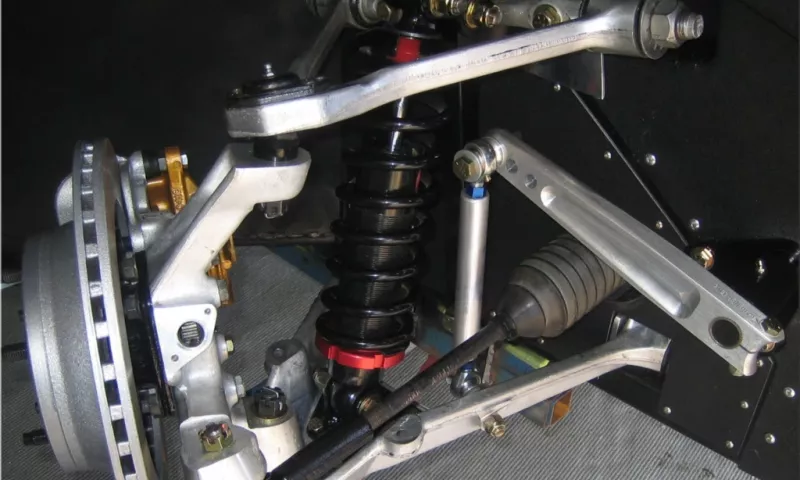
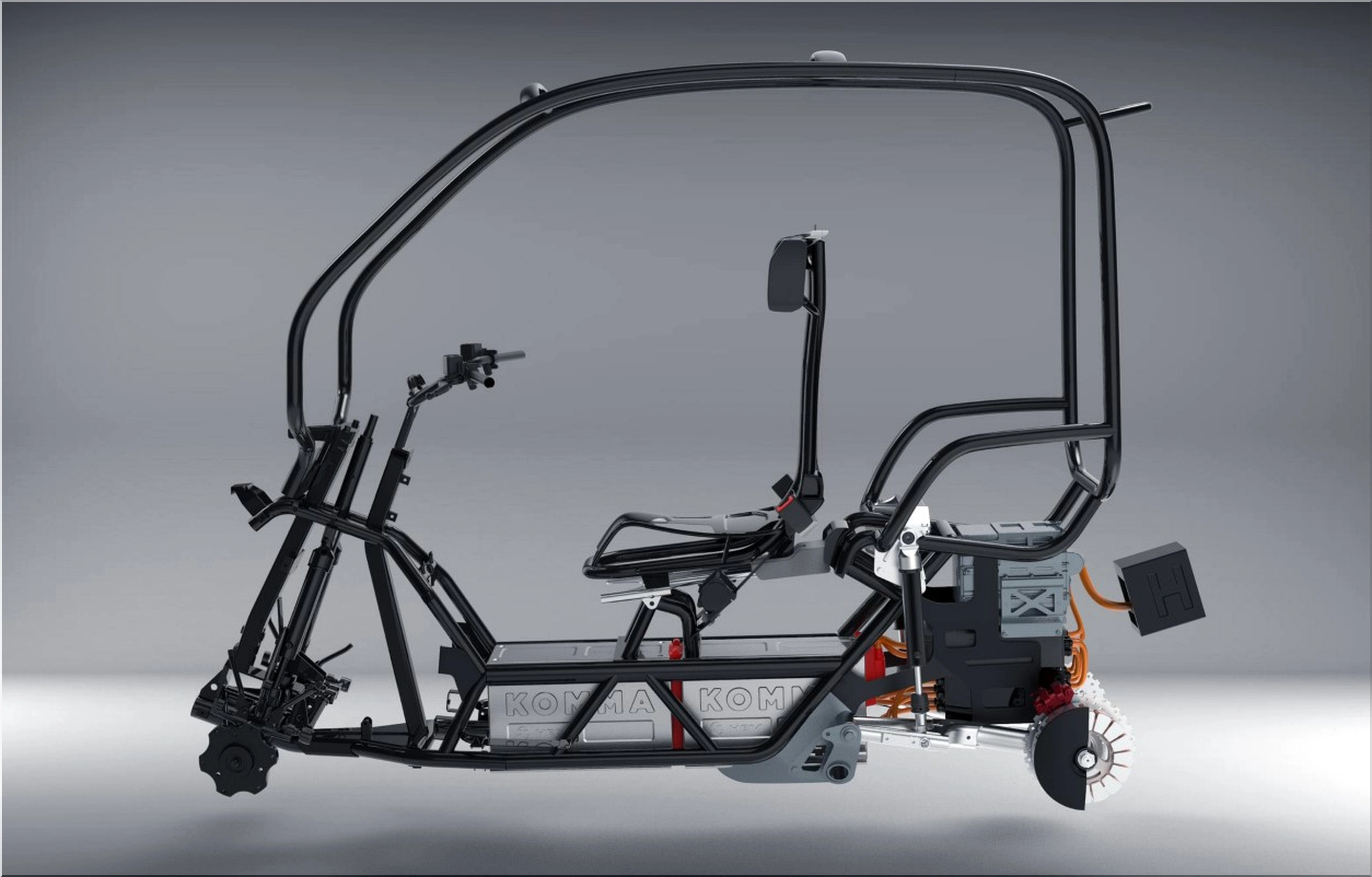
- The base is the driving platform that contains the electric motor, battery, wheels, and suspension. It is autonomous, meaning that it can drive itself without human intervention. It is also connected and can communicate with other vehicles, infrastructure, and services. The base is designed to be shared among multiple users, who can summon it on demand via an app.
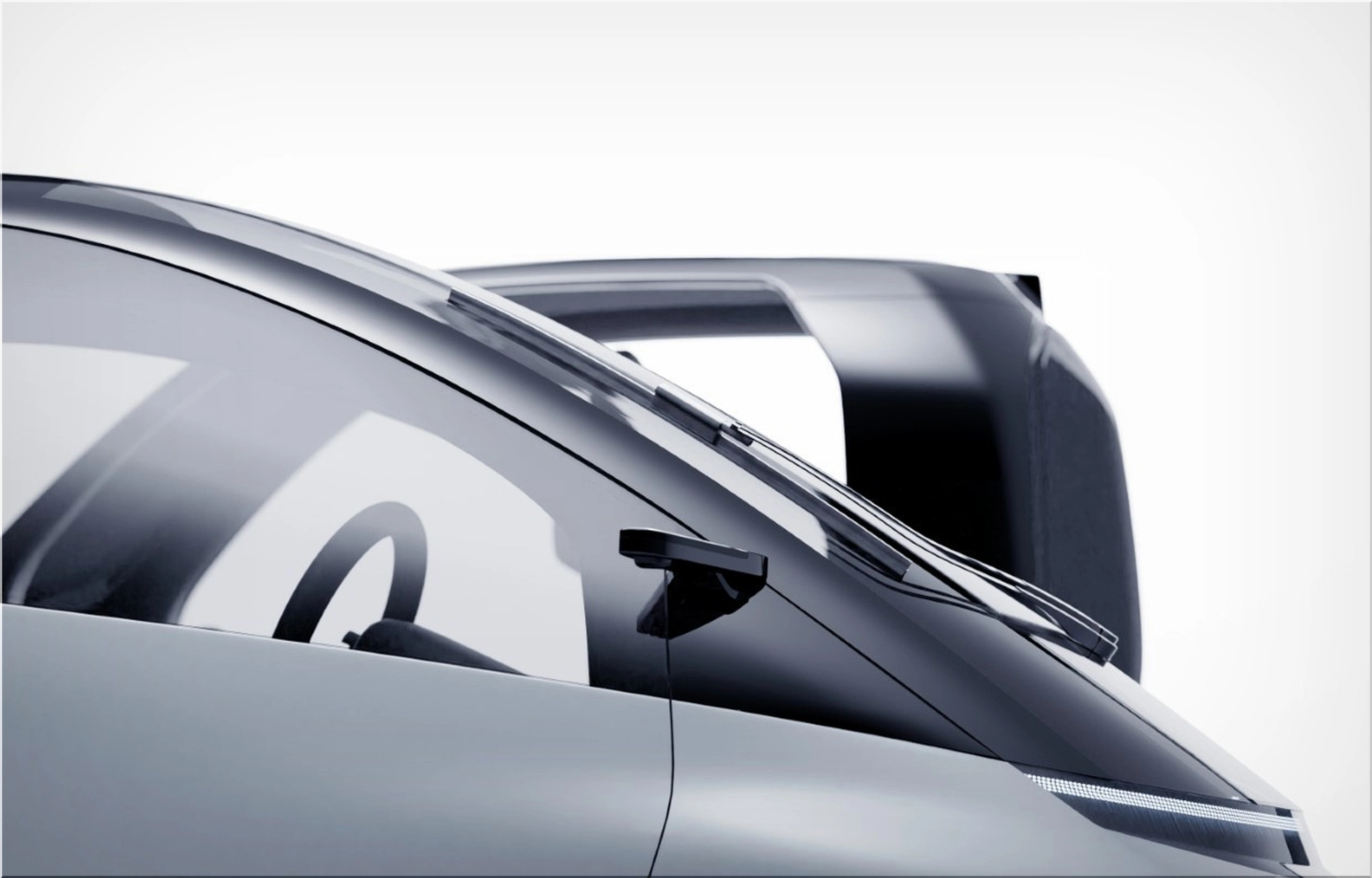
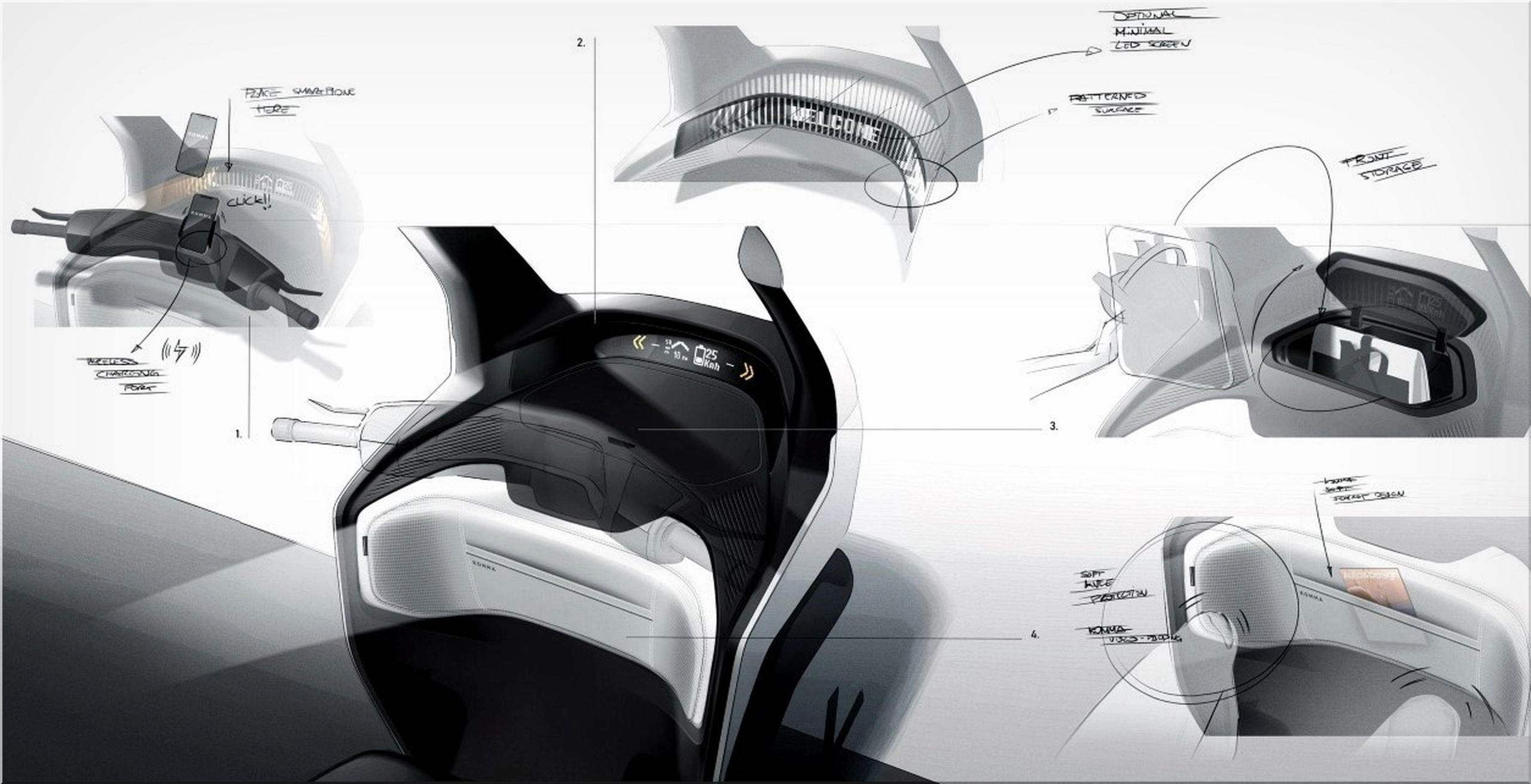
- The pod is the passenger cabin that attaches to the base. It is personal, meaning that it can be owned or rented by individual users, who can store it at home or in public parking spaces. It is also customizable and can be configured and decorated according to the user’s taste and needs. The pod is designed to be comfortable and entertaining, featuring a holographic display that projects interactive content on the windshield.
How does Komma work, and what are its benefits?
Komma works by combining the advantages of both the base and the pod. Users can choose the pod that suits their mood and occasion and then request a base to pick them up and take them to their destination. Alternatively, users can also drive the base manually if they prefer. Komma offers several benefits for urban mobility, such as:
- Reducing traffic congestion and pollution: Komma is much smaller and lighter than conventional cars, which means that it takes up less space on the road and emits less CO2. Komma also uses smart routing to avoid traffic jams and optimize energy consumption.
- Increasing accessibility and affordability: Komma is more accessible and affordable than conventional cars, as users do not need to own, maintain, or insure a vehicle. Users only pay for the pod and the base when required and can share the cost with other passengers if they wish.
- Enhancing user experience and satisfaction: Komma is more enjoyable and satisfying than conventional cars, as users can personalize their pod and interact with the holographic display. Komma also provides safety and privacy features like collision avoidance and sound insulation.


What are the challenges and opportunities for Komma?
Komma is still a concept vehicle that has not been tested or produced yet. It faces several challenges and opportunities before it can become a reality, such as:
- Regulatory and legal issues: Komma must comply with the safety and emission standards of different countries and regions and the liability and insurance policies of autonomous and shared vehicles.
- Technical and operational issues: Komma needs to ensure the reliability and efficiency of its base and pod and the compatibility and security of its software and hardware. Komma also needs to establish a network of bases and pods, as well as a platform for users and service providers.
- Social and cultural issues: Komma needs to understand the needs and preferences of different users and markets and the impact and acceptance of its new mobility concept on society and culture.





Conclusion
Komma is a compact urban electric vehicle that offers a sustainable, affordable, and fun alternative to conventional cars in crowded cities. It is based on the idea of modularity, consisting of a shared autonomous base and a personal customizable pod. Komma has the potential to revolutionize urban mobility, but it also faces several challenges and opportunities before it can become a reality. @via Komma.
- Add new comment
- 341 views