
What Volkswagen announced at IAA Mobility 2025
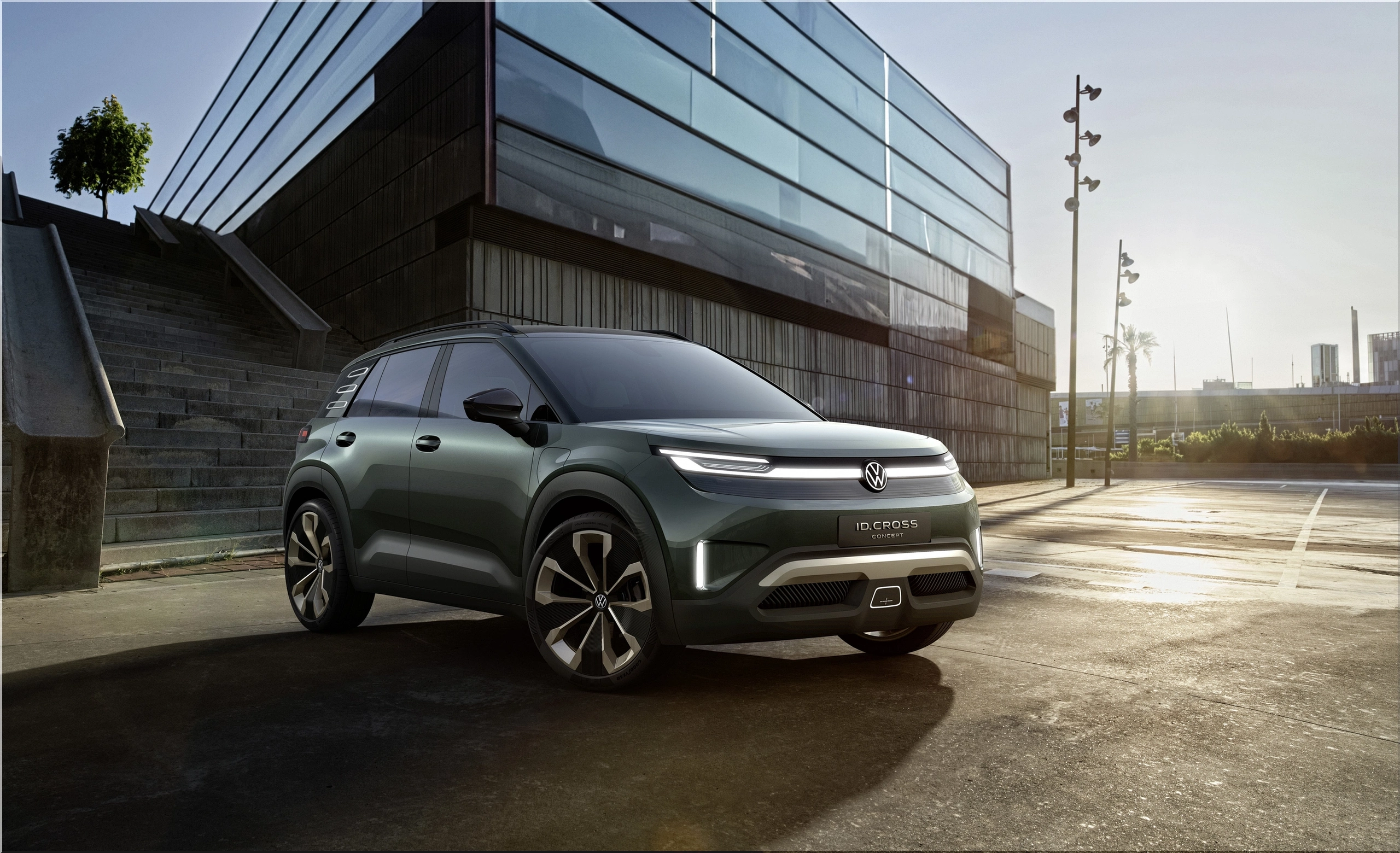
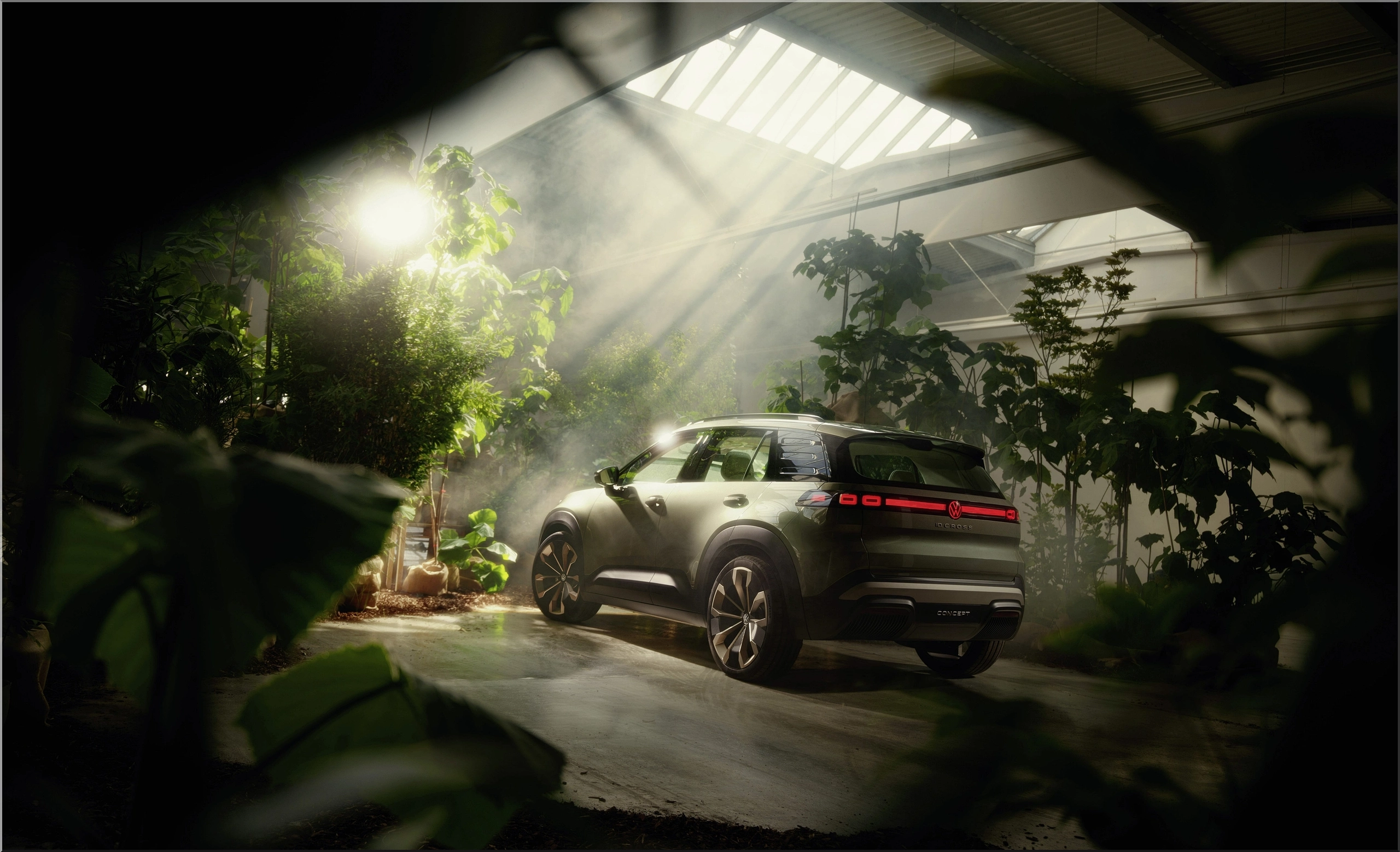
Volkswagen showed the ID. CROSS Concept, a compact electric SUV aimed at affordable e-mobility. The debut took place during IAA Mobility 2025 in Munich. Press day ran on September 8. Public days ran September 9–14.
Volkswagen calls the study near-production. The company positions it at the T-Cross size class. The concept previews a 2026 production model called ID. Cross.
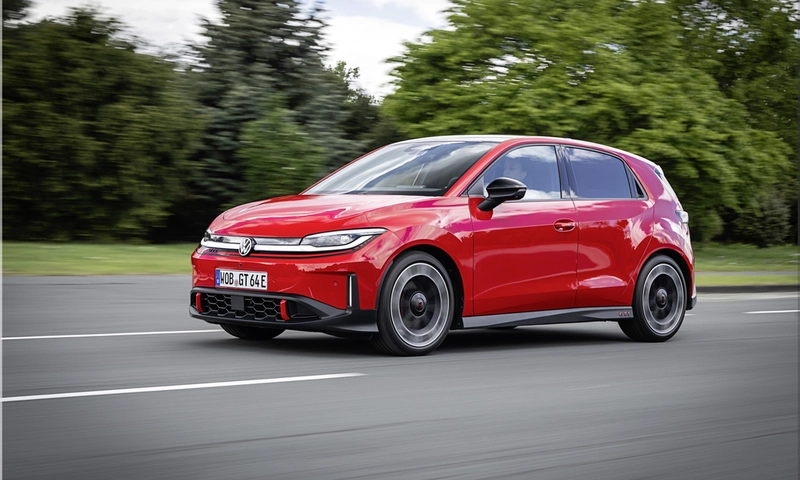
Volkswagen also mapped the small-EV rollout. ID. Polo arrives in the first half of 2026. ID. Polo GTI follows soon after. ID. Cross debuts in summer 2026. ID. EVERY1 reaches series production in 2027.
Strategy: affordable EVs through Brand Group Core
Volkswagen anchors the car in a joint small-EV plan. Brand Group Core brands (Volkswagen, Škoda, SEAT & CUPRA, VW Commercial Vehicles) share parts, software, and plants. The goal: build entry-level EVs in Europe at competitive cost.
Group documents add key details. The four small EVs launch from 2026. Spanish plants in Martorell and Pamplona host production. Project economics target strong synergy and scale. The group quotes an about €25,000 entry price for certain urban EVs, roughly $29,300.
Design: ‘Pure Positive’ language and practical packaging
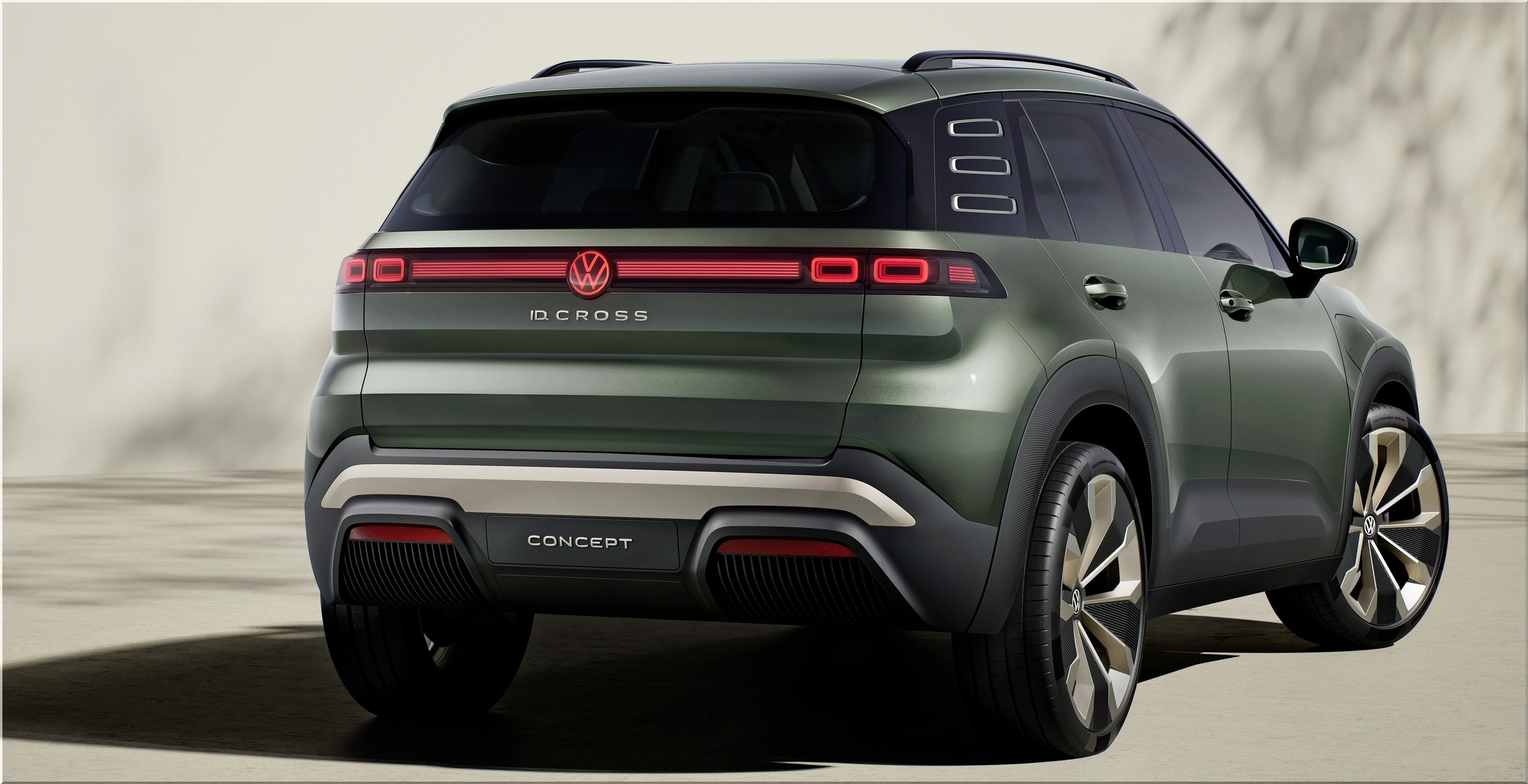
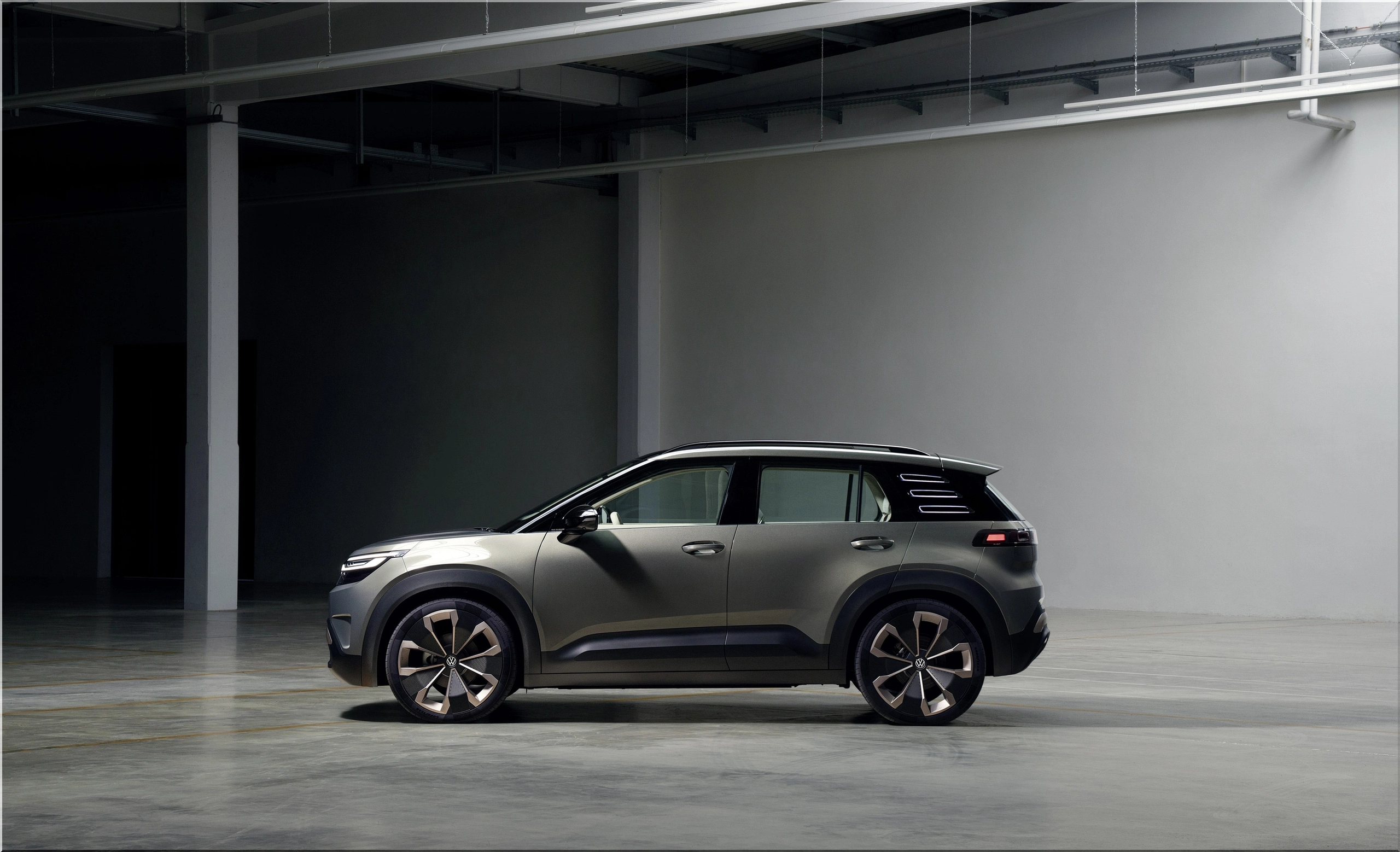
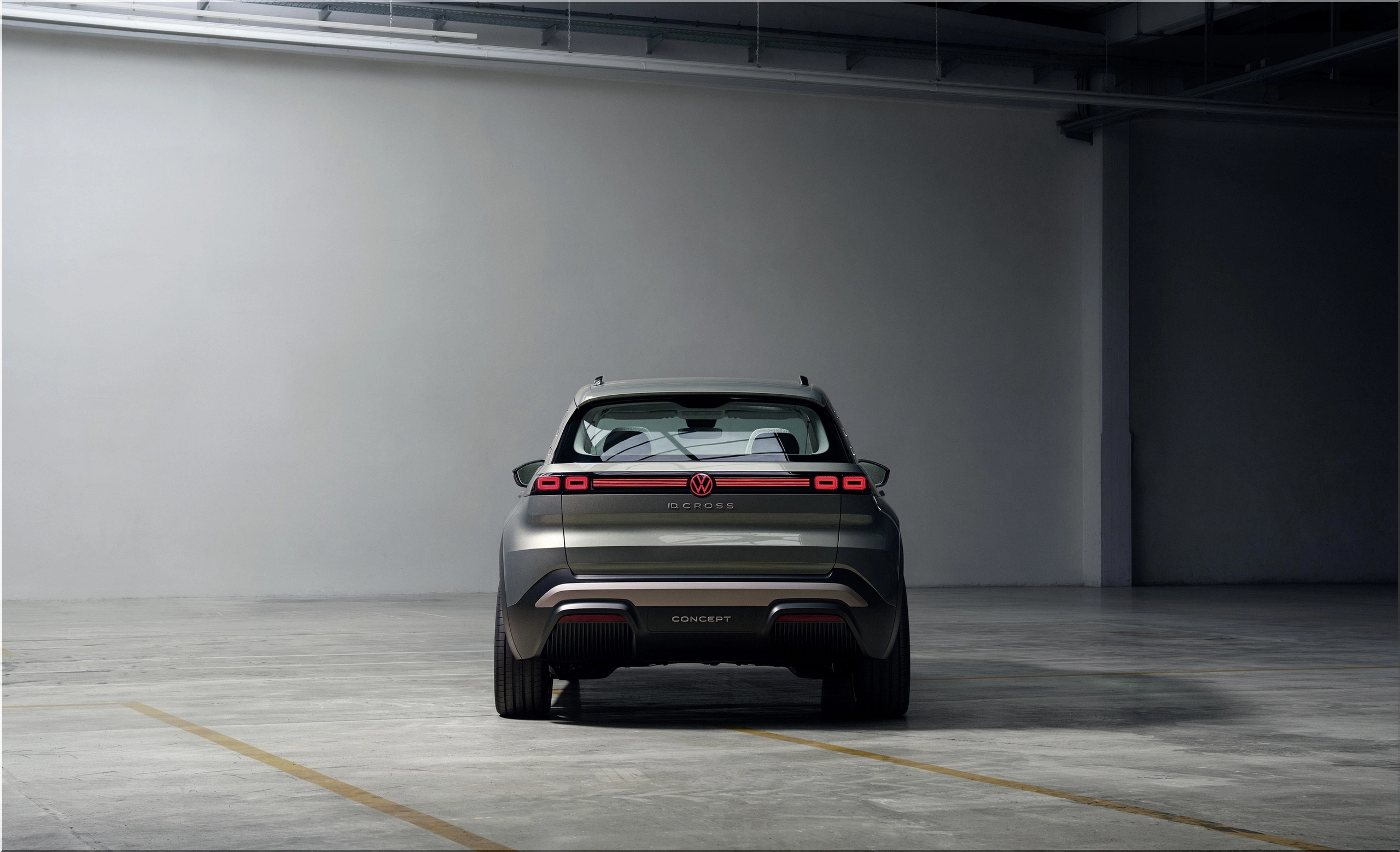
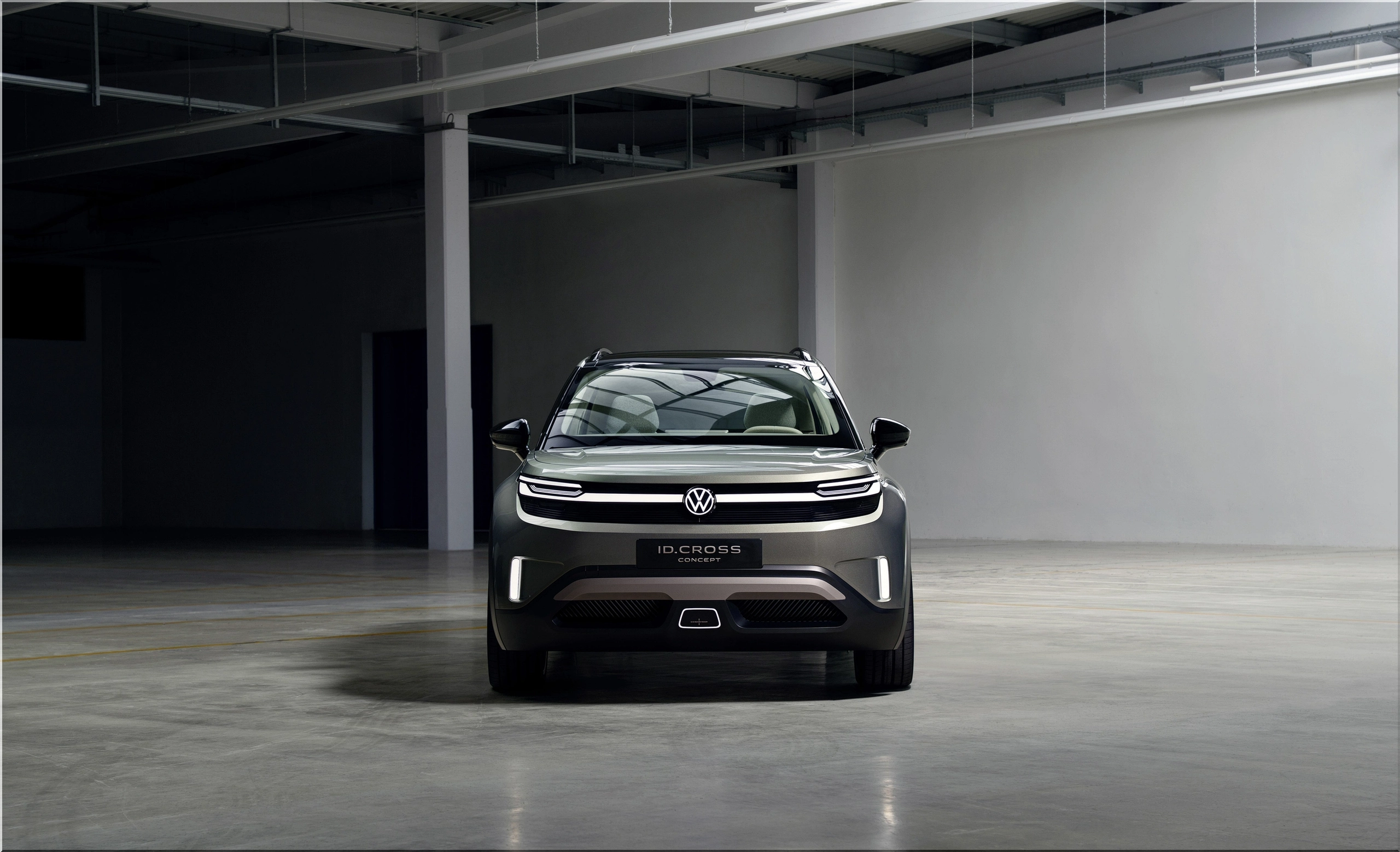
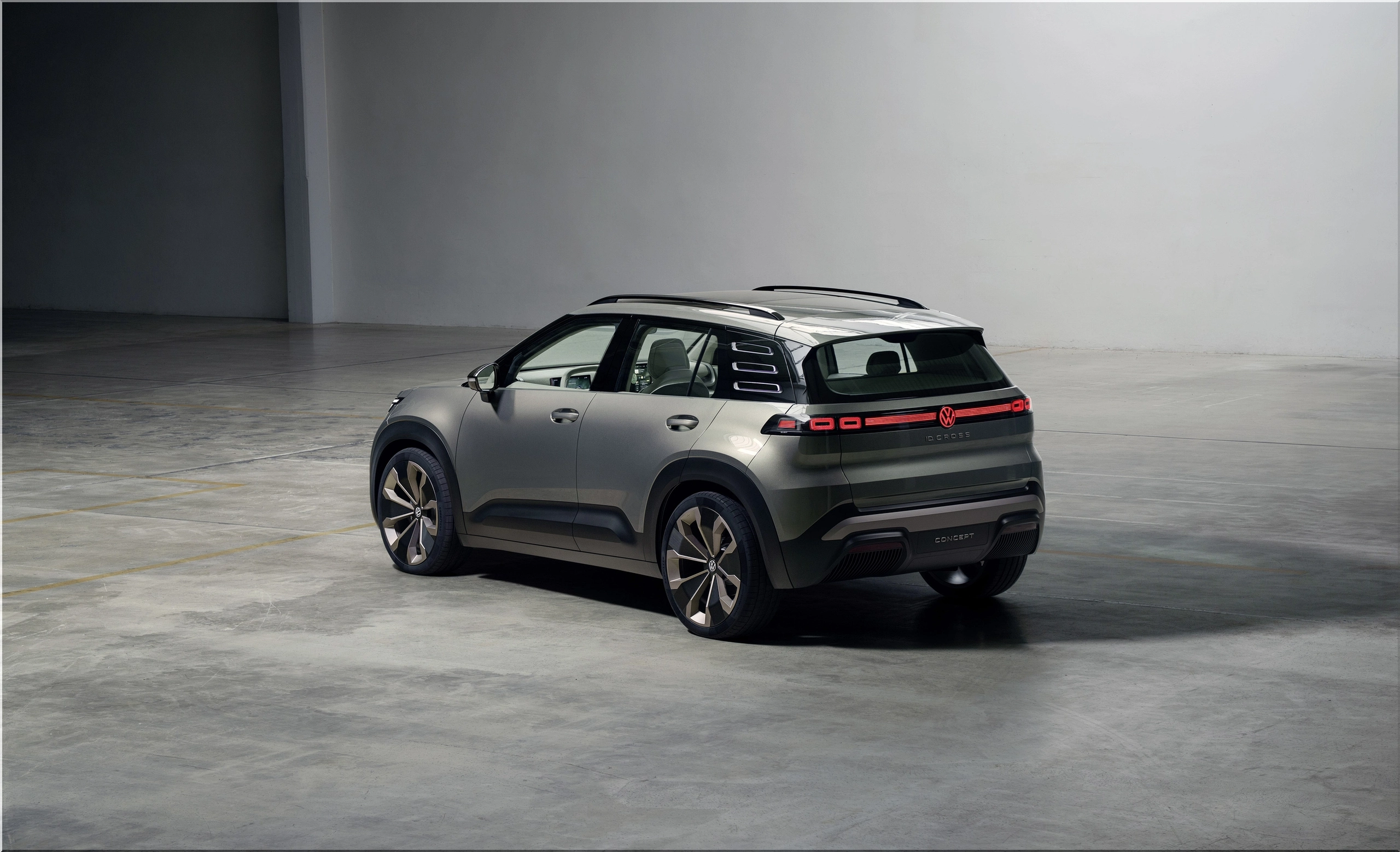
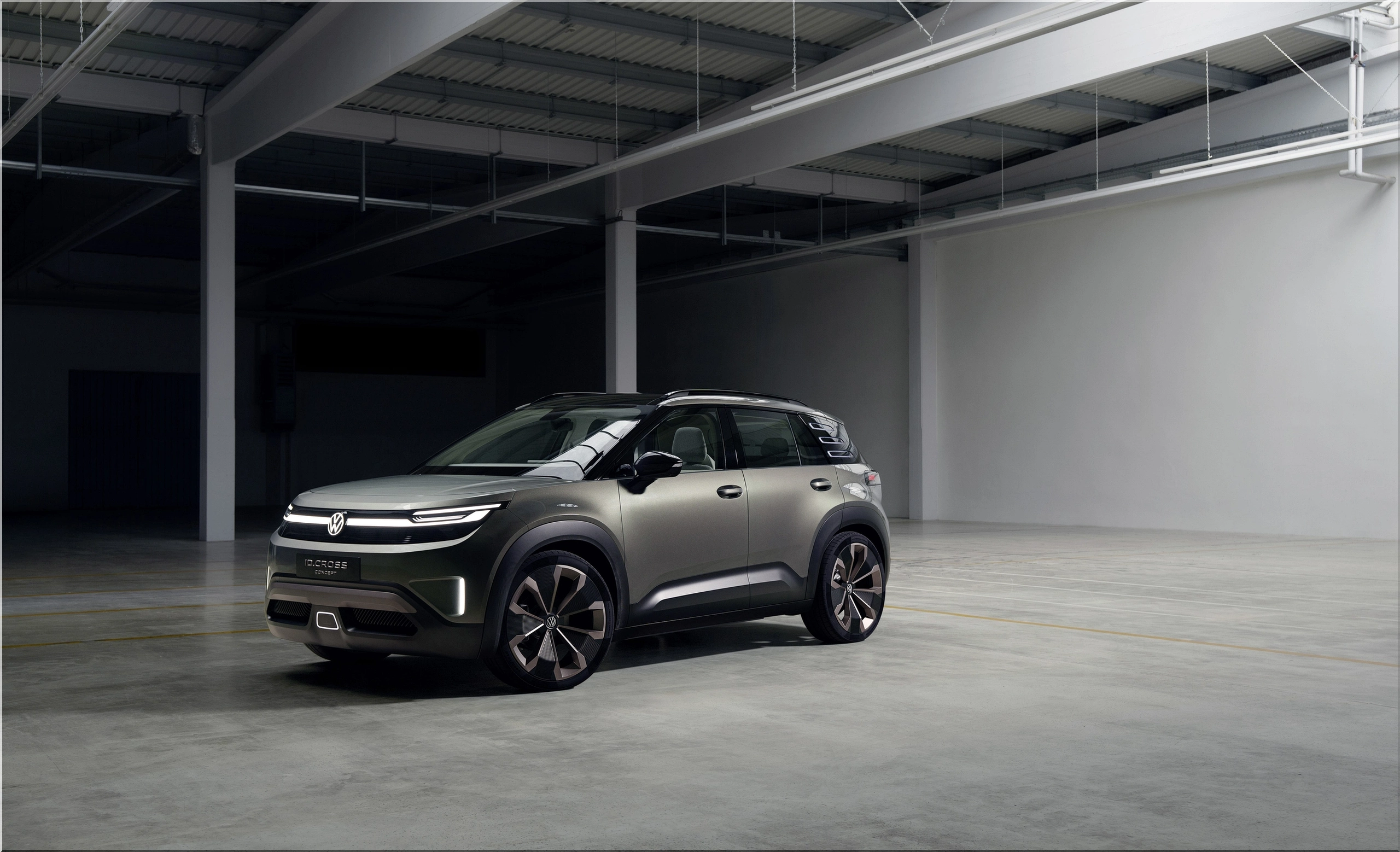
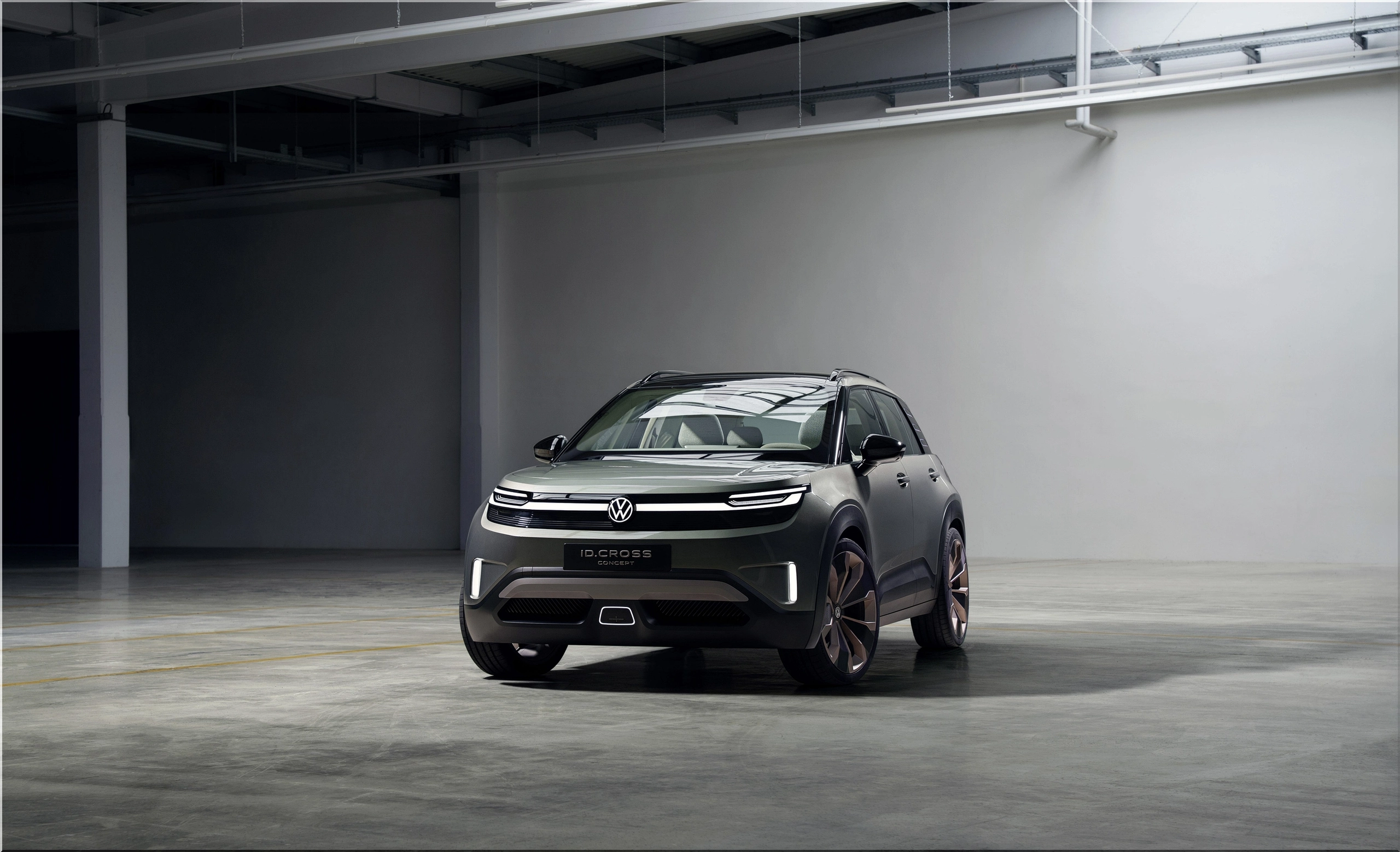
The concept wears Volkswagen’s new ‘Pure Positive’ design language. The surfaces stay clean. The stance looks stable. Designers reference icons like Golf and VW Bus in the C-pillars and window line.
Dimensions track closely with today’s T-Cross. Length measures 4,161 mm. Width spans 1,839 mm. Height stands at 1,588 mm. Wheelbase reaches 2,601 mm. The show car rolls on 21-inch Balboa wheels and bespoke Goodyear tires sized 235/40 R21.
The package aims at city use, short trips, and weekend runs. The stance and overhangs support easy parking. The wheels and tires remain concept-specific. Production sizes will likely shrink. Volkswagen has not disclosed final wheel options.
Interior: space, screens, and simpler controls
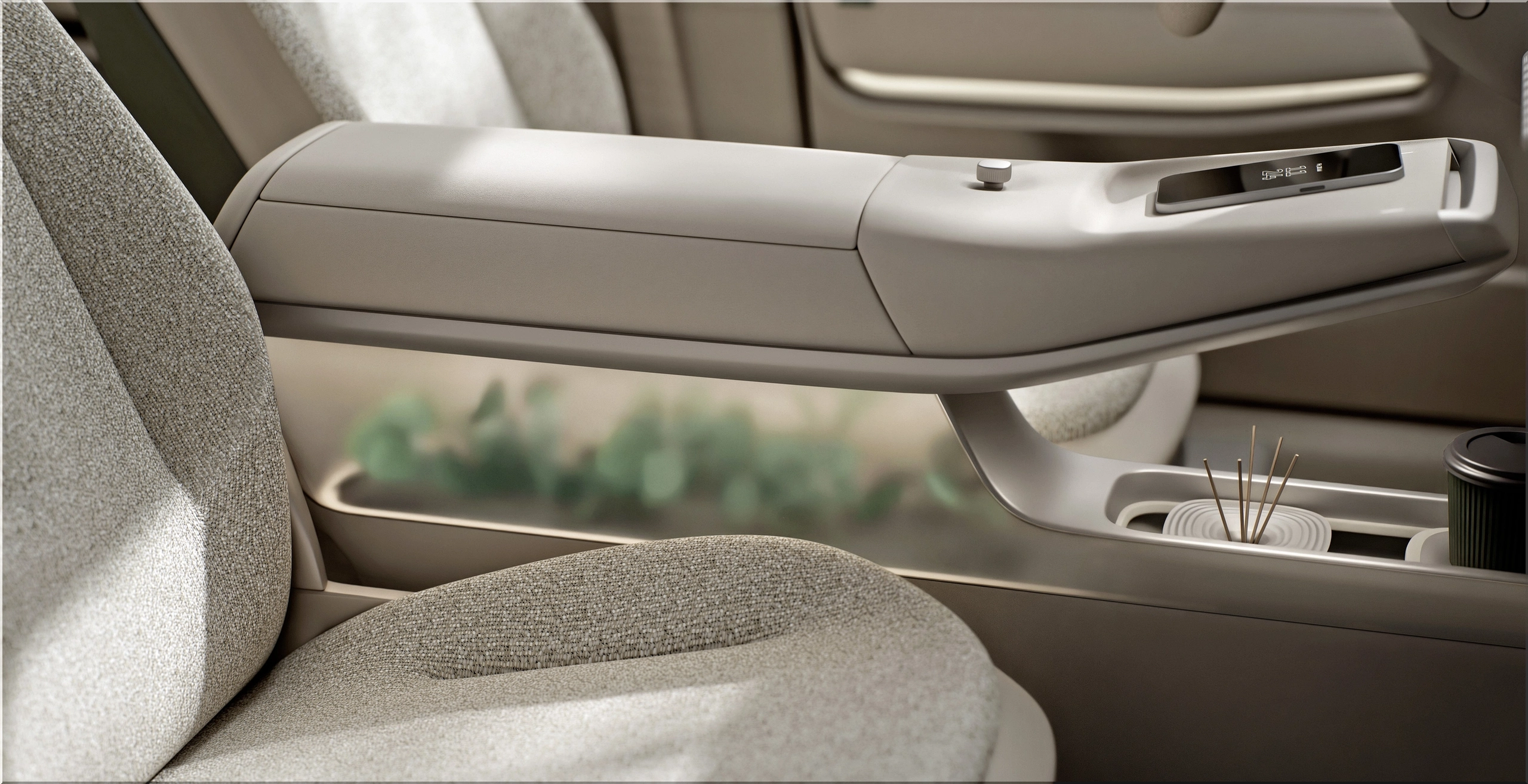
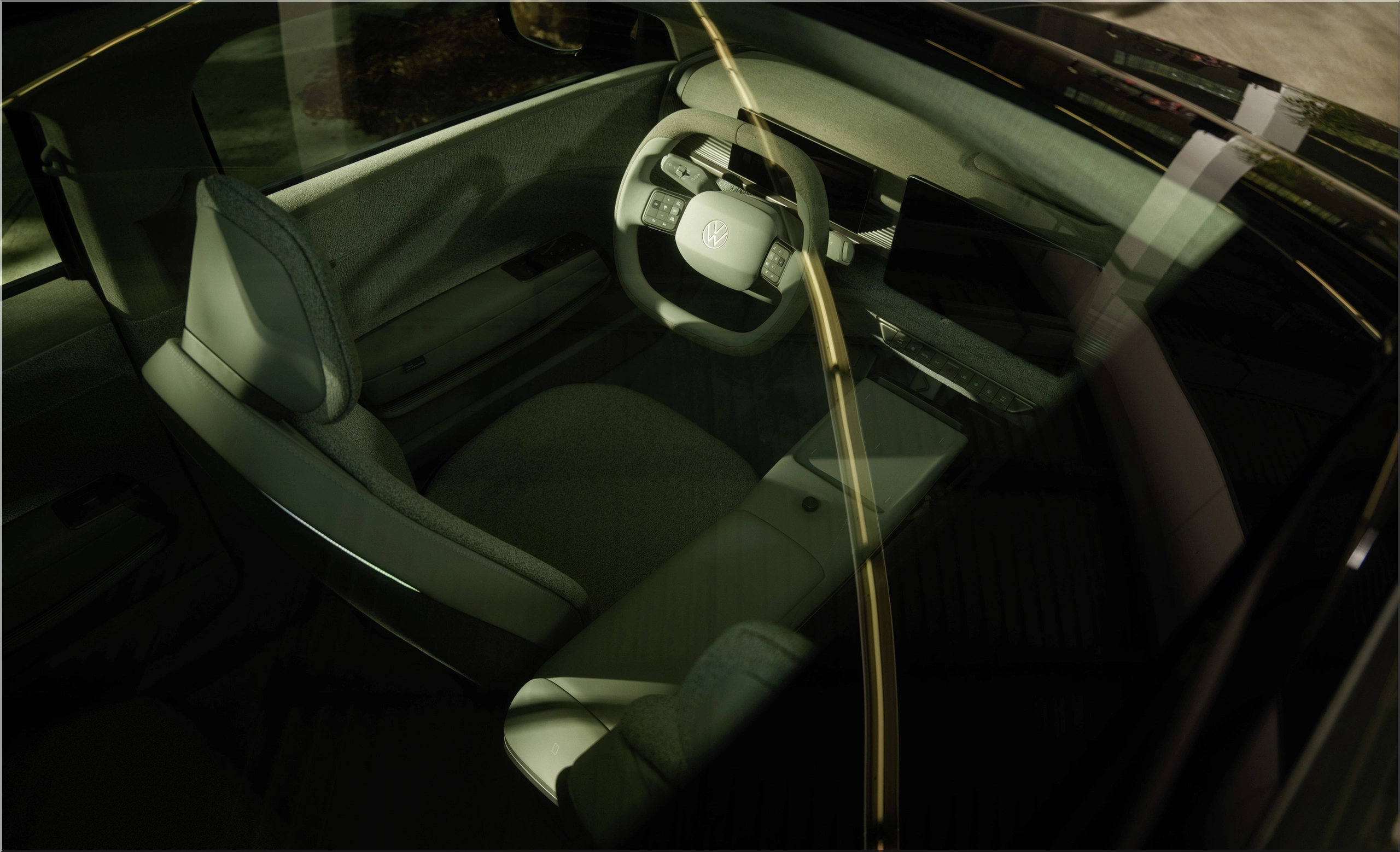
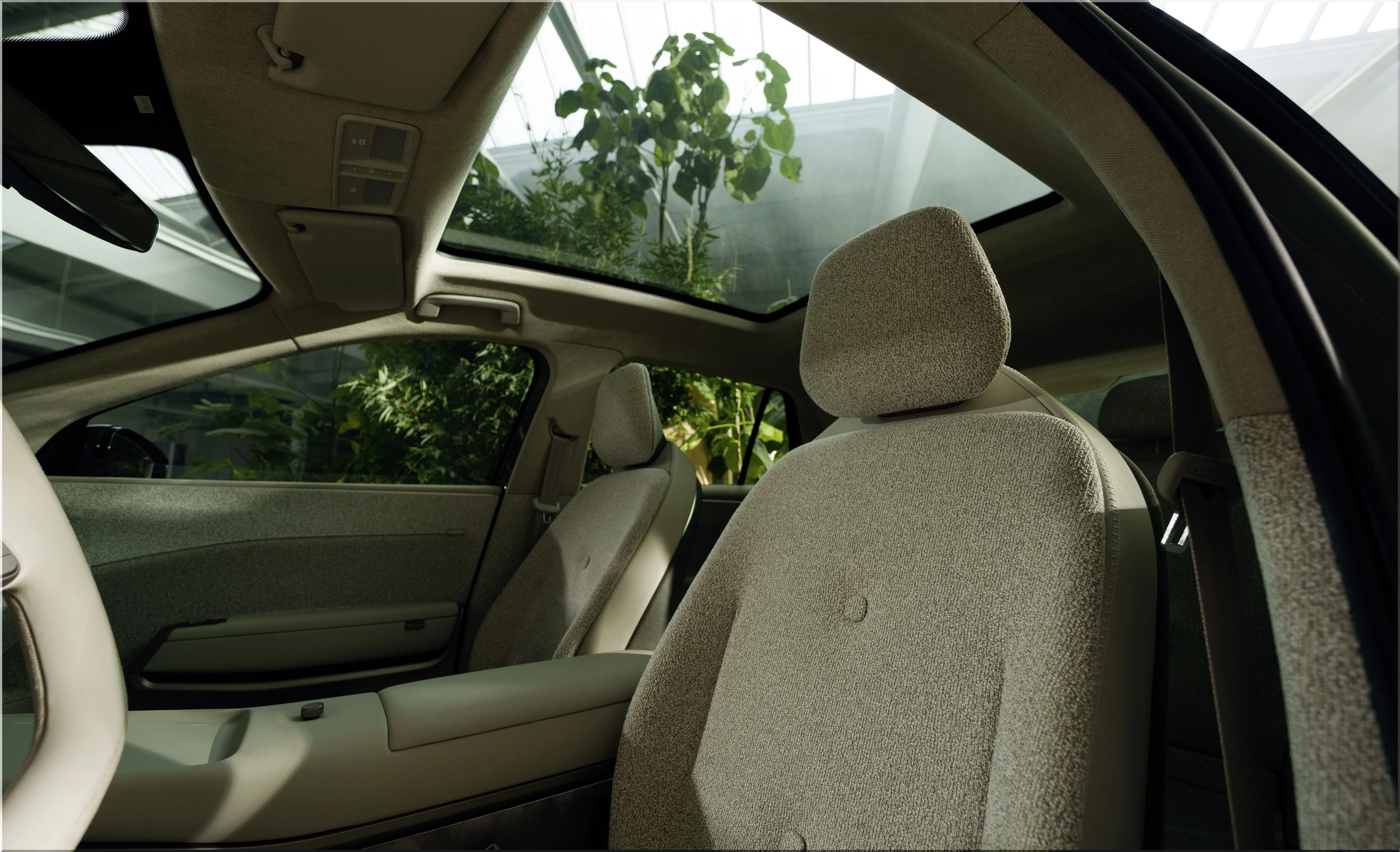
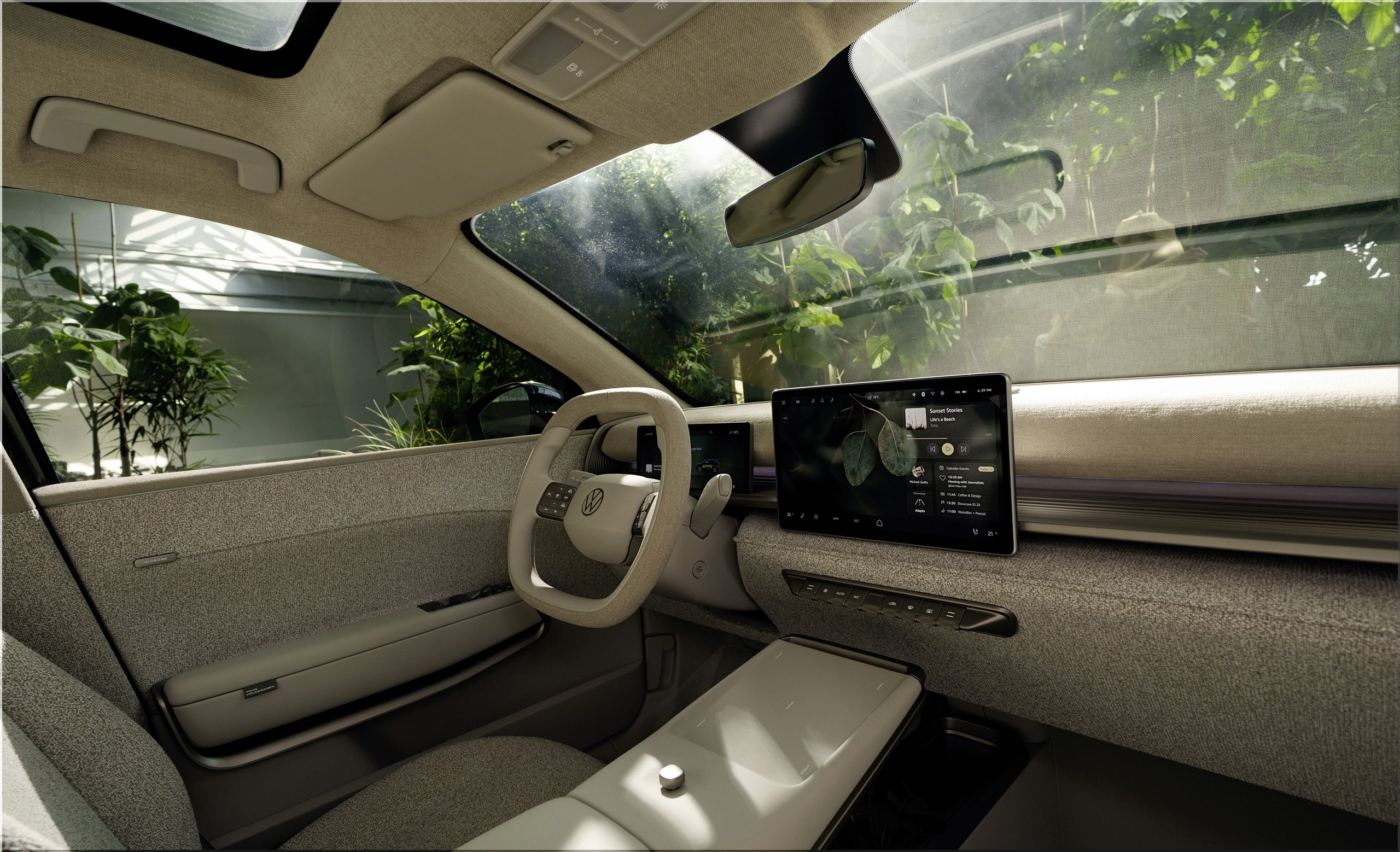
The five-seat cabin targets space and ease. Trunk volume is 450 liters. A 25-liter frunk adds flexible storage. Fold-flat seats can create a sleeping surface. Families and friends fit with luggage for short breaks.
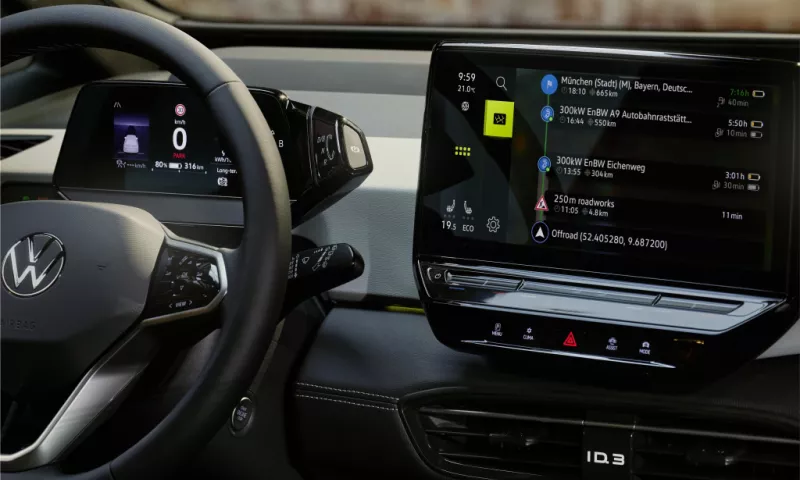
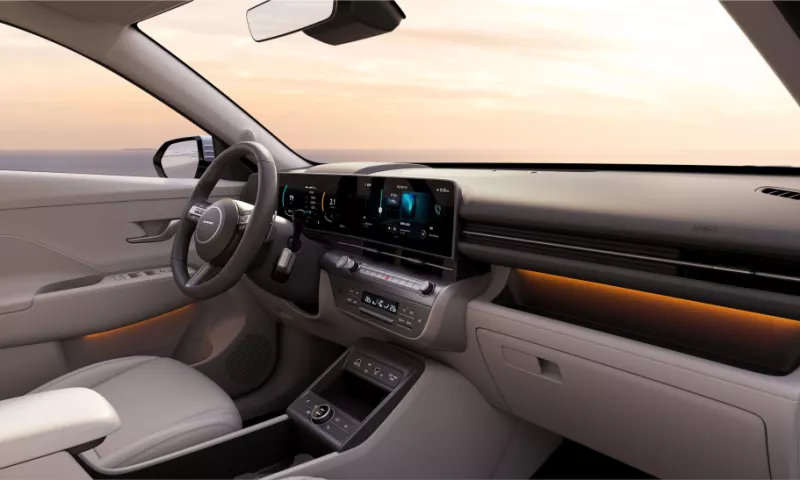
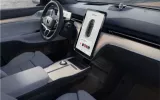
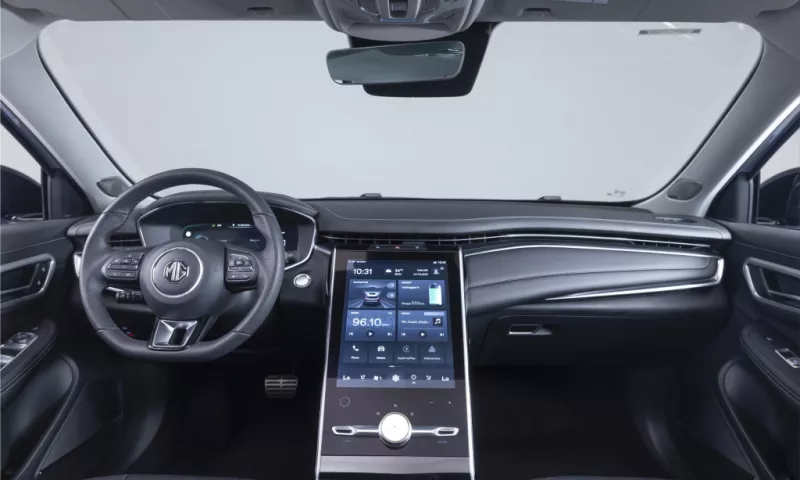
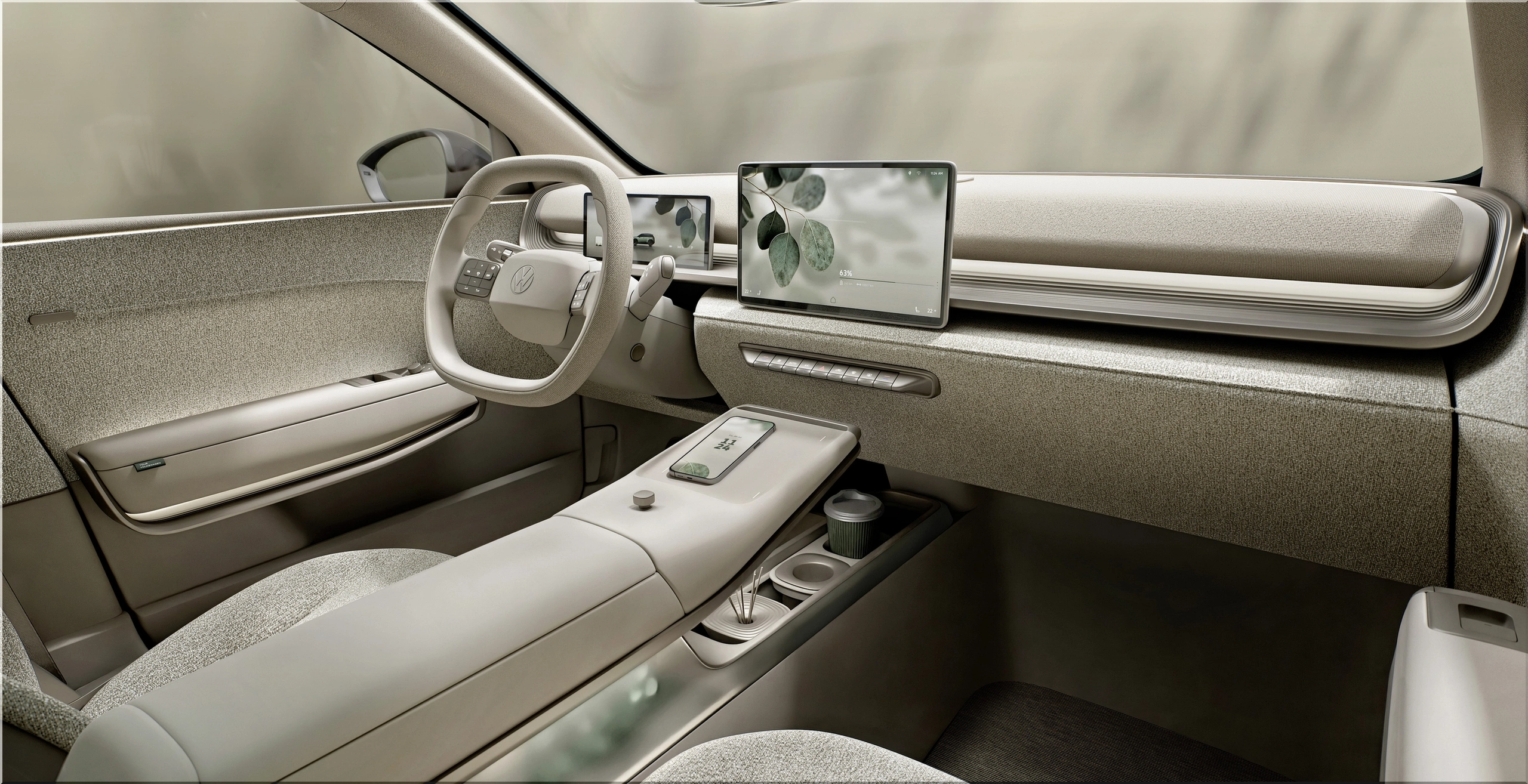
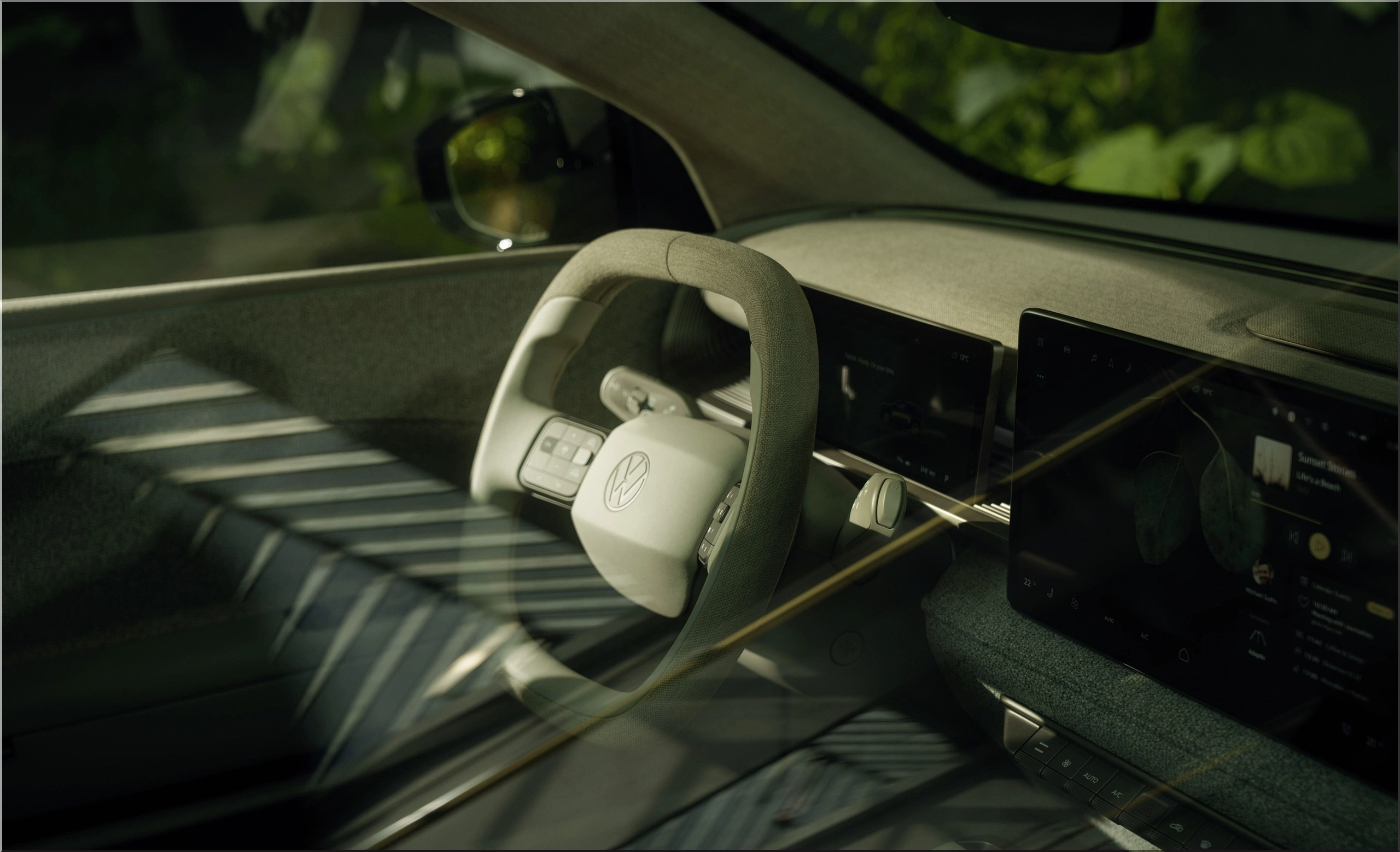
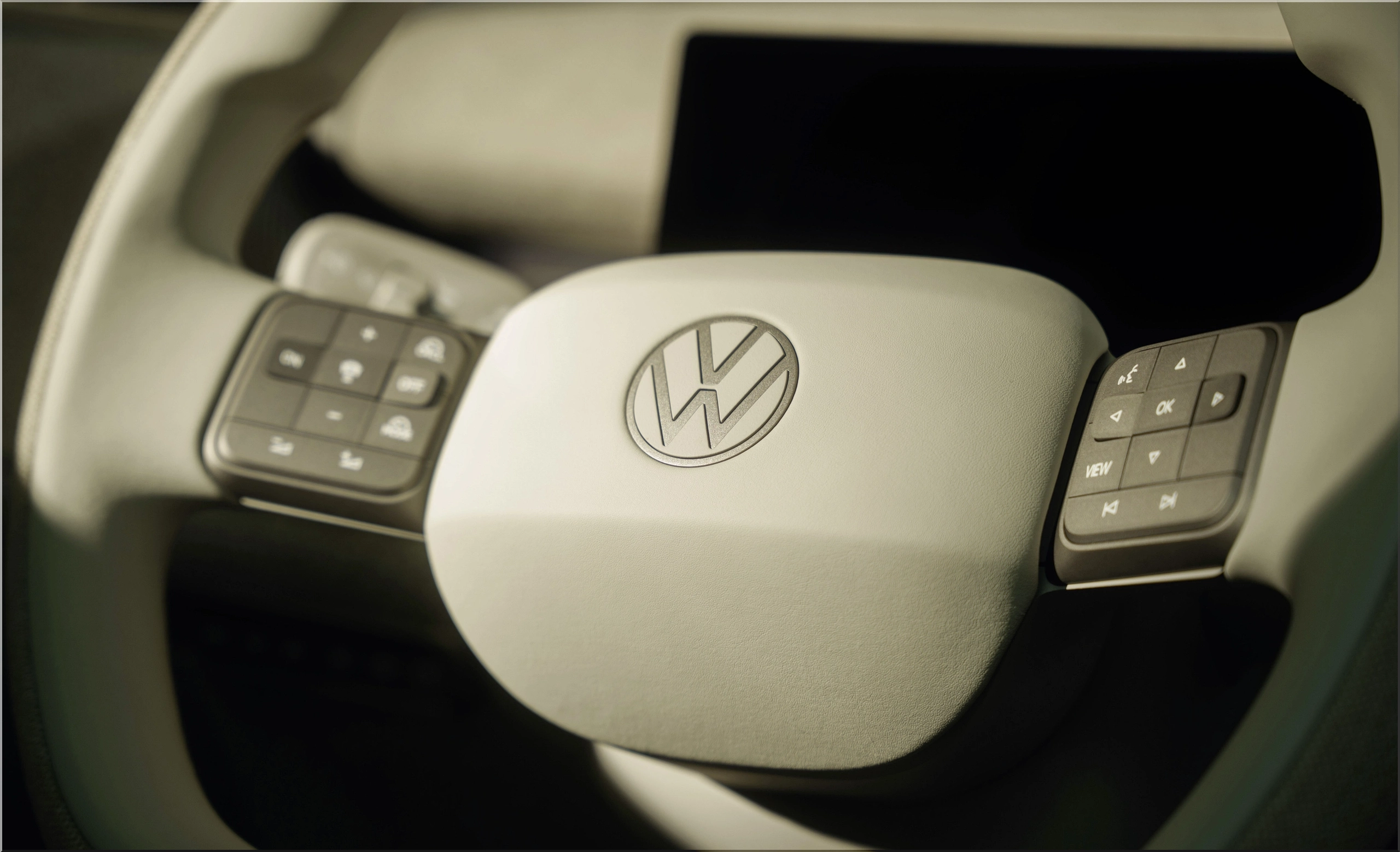
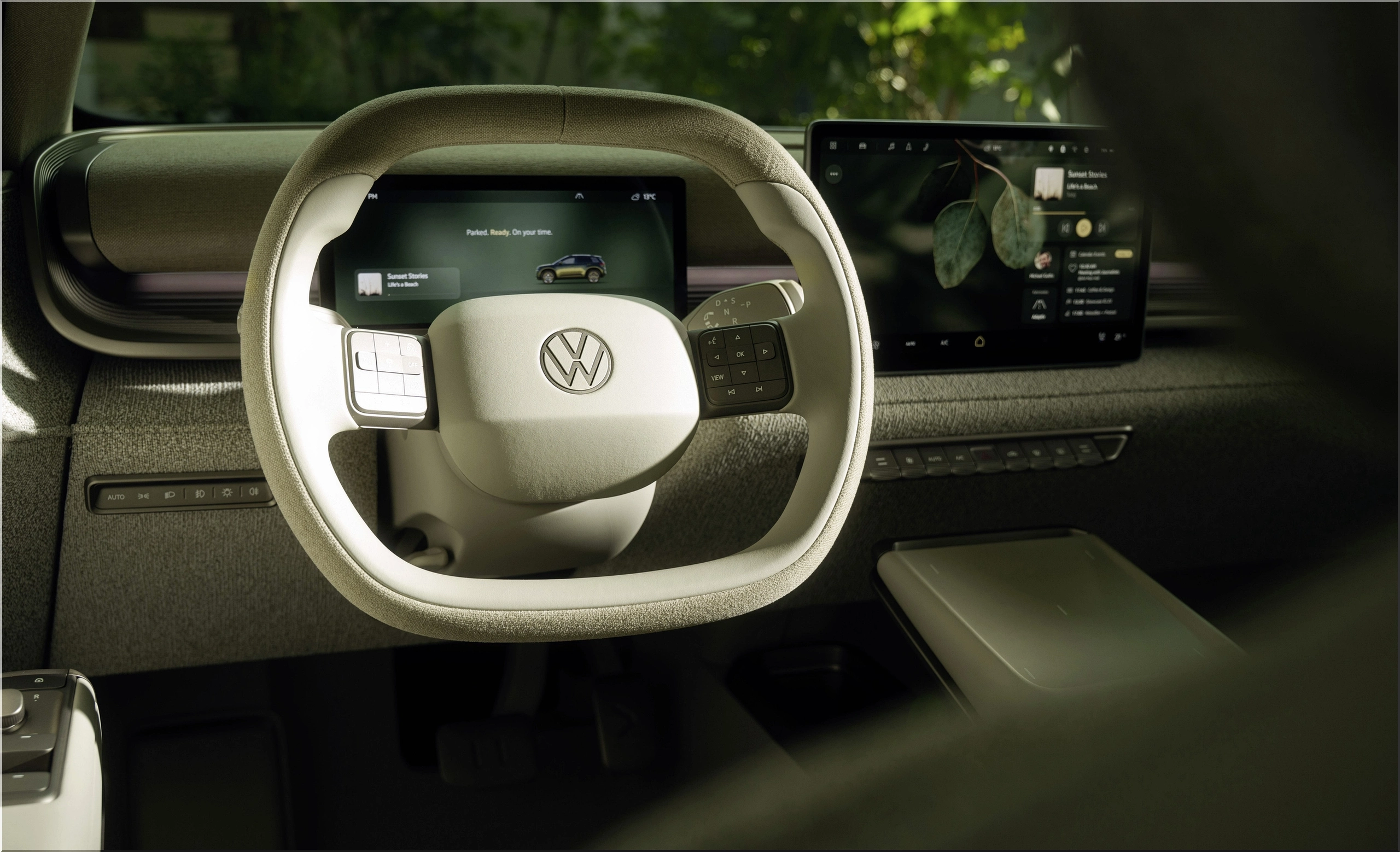
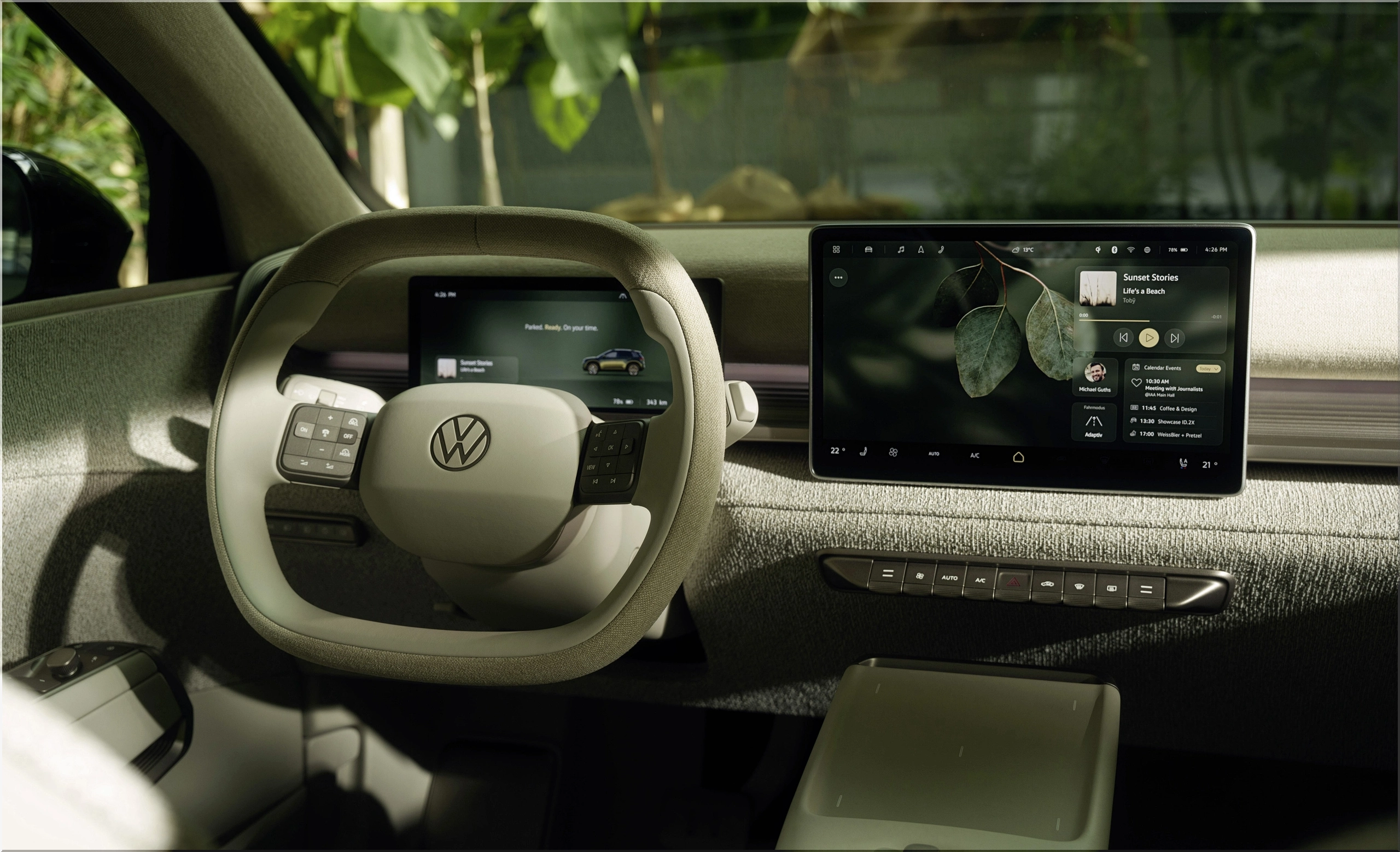
Controls return to basics. Volkswagen adds physical buttons on a redesigned steering wheel. Two displays sit on one sightline: an 11-inch driver cluster and a 13-inch infotainment touchscreen. Voice control and clear menus back the physical keys.
Ambient features round out the cabin. Pre-set light, sound, and climate modes—called Atmospheres—change the feel quickly. Fabric surfaces, warm tones, and even plants support a calm environment.
Platform and powertrain: MEB+ with front-wheel drive
The concept moves Volkswagen’s modular EV toolkit forward. MEB+ evolves motors, batteries, and software in the familiar MEB layout. The brand adds a new software generation next year. That software expands features like Travel Assist.
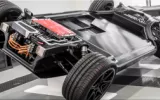
This concept uses front-wheel drive. Power is 155 kW (211 hp). Forecast WLTP range reaches up to 420 km. Top speed is 175 km/h. The e-machine integrates with the front axle and power electronics. The battery sits flat in the floor.
Volkswagen stresses European development for the drive unit. The company aims for cost control and shorter supply lines. That matters in this price band.
Key specifications (concept)
| Feature | ID. CROSS Concept |
|---|---|
| Platform / drive | MEB+, front-wheel drive |
| Motor output | 155 kW (211 hp) |
| Range (WLTP) | up to 420 km |
| Top speed | 175 km/h |
| Length | 4,161 mm |
| Width | 1,839 mm |
| Height | 1,588 mm |
| Wheelbase | 2,601 mm |
| Cargo | 450 liters + 25-liter frunk |
| Max towing (braked, 8% grade) | 1,200 kg |
| Tongue load | 75 kg |
| Tire size (show car) | 235/40 R21 |
All figures above come from Volkswagen’s media briefing for the concept. Production values can change.
Range, towing, and daily use
420 km WLTP covers weekly commuting and routine errands. Many owners will plug at home. Occasional long trips still fit with planned charging stops. Volkswagen has not released battery capacity or DC rate targets for this concept.
Towing matters in this class. The 1,200 kg rating supports small campers. The 75 kg tongue load fits two e-bikes on a hitch rack. Compact trailers remain within limits with careful loading.
Pricing and availability
Volkswagen targets a competitive price for ID. Cross. Reporting today points to €28,000–€30,000, or about $32,800–$35,100. The ID. Polo is cited at €25,000, or roughly $29,300. Final prices will depend on equipment and taxes.
The schedule remains clear. ID. Polo world premiere lands in H1 2026. ID. Polo GTI follows. The ID. Cross production debut arrives in summer 2026. ID. EVERY1 moves to production in 2027. Today’s concept anchors that path.
How it stacks up: size comparison
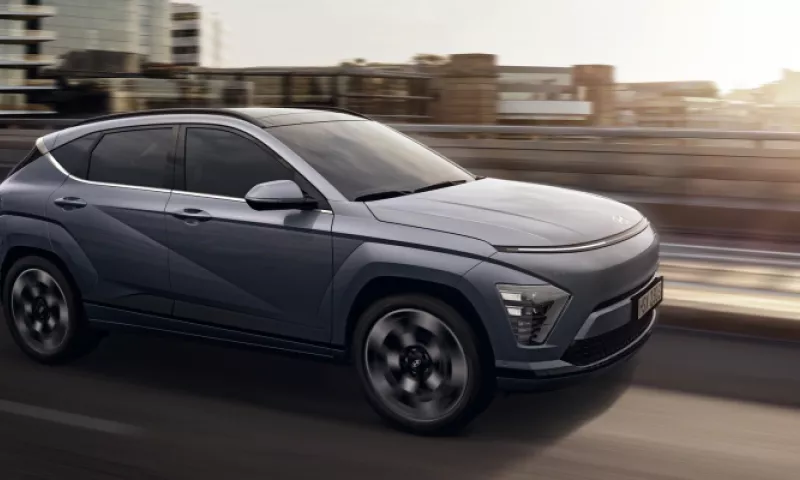
The ID. Cross sits in Europe’s B-/C-segment crossover band. It threads between small hatchbacks and compact SUVs. Competitors include Hyundai Kona Electric, Peugeot e-2008, and Renault Megane E-Tech Electric (hatchback shape, similar footprint).
| Model | Length (mm) | Width (mm)* | Height (mm) |
|---|---|---|---|
| Volkswagen ID. Cross (concept) | 4,161 | 1,839 | 1,588 |
| Hyundai Kona Electric (2024/25) | 4,355 | 1,825 | 1,575 |
| Peugeot e-2008 | 4,304 | 1,770 (excl. mirrors) | 1,523–1,550 |
| Renault Megane E-Tech Electric | 4,199 | 2,055 (with mirrors) | 1,505 |
*Widths reflect maker definitions. Some list width with mirrors; others do not.
Takeaway: Volkswagen’s footprint skews shorter than Kona and e-2008. The car sits wider than many rivals, which helps cabin room. That fits the packaging story above.
Software and controls: addressing prior feedback
Owners criticized touch sliders and hidden menus in earlier IDs. Volkswagen responds here. The steering wheel brings clear buttons back. The 13-inch center screen pairs with voice control and simpler menus. This mix reduces hunting for common functions.
Volkswagen also promises a new software generation. The update broadens driver-assist features, including Travel Assist enhancements. The company frames MEB+ as the enabler for these features in entry-class EVs.
Manufacturing and sourcing: building “from Europe, for Europe”
The small-EV family relies on European plants and suppliers. Group plans point to Martorell and Pamplona for the urban EV program. Localized modules cut logistics cost and risk. That supports stable pricing.
Volkswagen states that the ID. Cross drive system was developed in Europe. Integration of the e-machine and power electronics into the front axle reduces complexity. Floor-mounted batteries free cabin space and lower the center of gravity.
Market context: why this model matters now
Volkswagen says it led EV volumes in Germany and Europe in 2025. The brand delivered over 4.8 million vehicles worldwide in 2024 across all powertrains. That scale matters when targeting lower EV price points.
Competition grows. Chinese brands press on pricing. European makers face cost and tariff headwinds. Volkswagen’s answer uses scale, shared platforms, and a tight feature set. The ID. Cross fits that plan.
Actionable insights for buyers and fleet managers
- Want space in a small footprint? The 4,161 mm length helps in cities. The 1,839 mm width helps inside.
- Need towing for bikes or a small trailer? The 1,200 kg max rating covers many use cases.
- Prefer physical controls? The concept restores buttons on the wheel and simpler menus.
- Value driver assistance for commuting? Watch for Travel Assist upgrades on MEB+.
- Track pricing signals. Current reporting points to €28k–€30k (~$32.8k–$35.1k) for ID. Cross.
What to watch between now and launch
- Battery and charging details. Volkswagen has not disclosed battery capacity or DC charging rates. Those numbers will define trip planning.
- Trim strategy. Expect a base car targeting price and a higher-spec model with options. Pricing bands may shift by market.
- Software cadence. The new stack under MEB+ needs frequent updates. Owners want speed and stability.
- Production footprint. Watch Martorell and Pamplona ramp plans for the small-EV family. Timing affects deliveries.
- Standard safety and ADAS. Final equipment lists will shape fleet and insurance costs. Volkswagen will reveal these later.



What the ID. Cross must get right
Volkswagen targets a clear gap. Many buyers want a compact electric SUV with real space and a fair price. Packaging looks solid. The 4,161 mm length helps with parking. The 450-liter trunk and fold-flat seats support daily life. The 25-liter frunk solves cable storage.
Controls matter. The buttons-plus-touch layout answers earlier complaints. If the MEB+ software boots fast and stays stable, owners will trust it. Add Travel Assist improvements, and daily driving gets easier.
Price discipline will decide demand. €28k–€30k (~$32.8k–$35.1k) lands near the Kona Electric and e-2008 after incentives, depending on market rules. Volkswagen needs strong lease offers and smart equipment packs to hit volume targets.
The final step is delivery. The group’s Brand Group Core plan relies on shared parts and plants. If volumes ramp on schedule, costs drop. That protects list prices and dealer supply. If delays hit, rivals will move in.

Bottom line
The ID. Cross aims at the heart of Europe’s EV market. It brings MEB+, a 155 kW front-wheel drive layout, and up to 420 km WLTP in a T-Cross-sized package. The cargo space, 25-liter frunk, and 1,200 kg towing add real utility. Price targets look competitive given current signals. Execution now matters.
- Add new comment
- 81 views