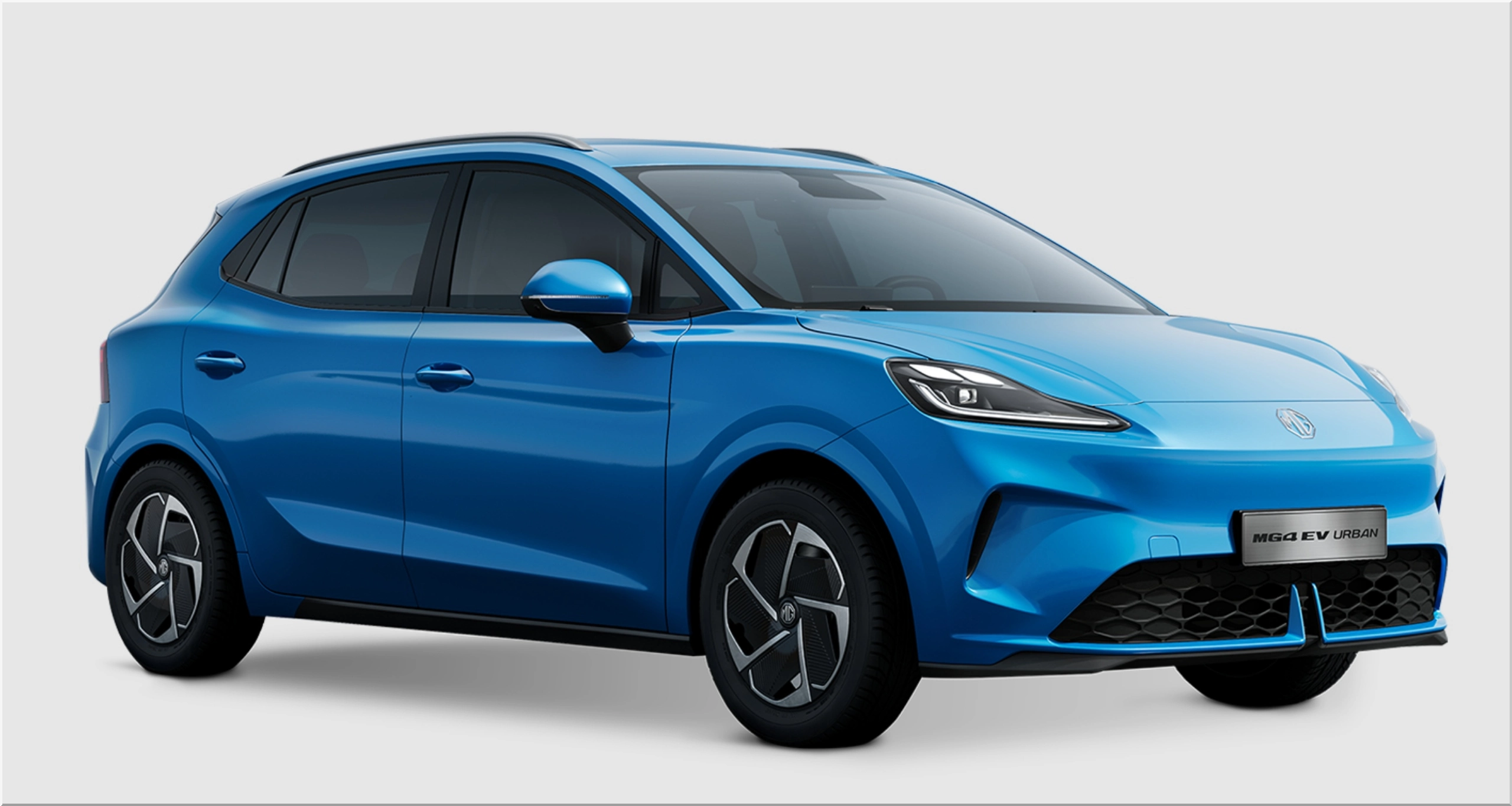
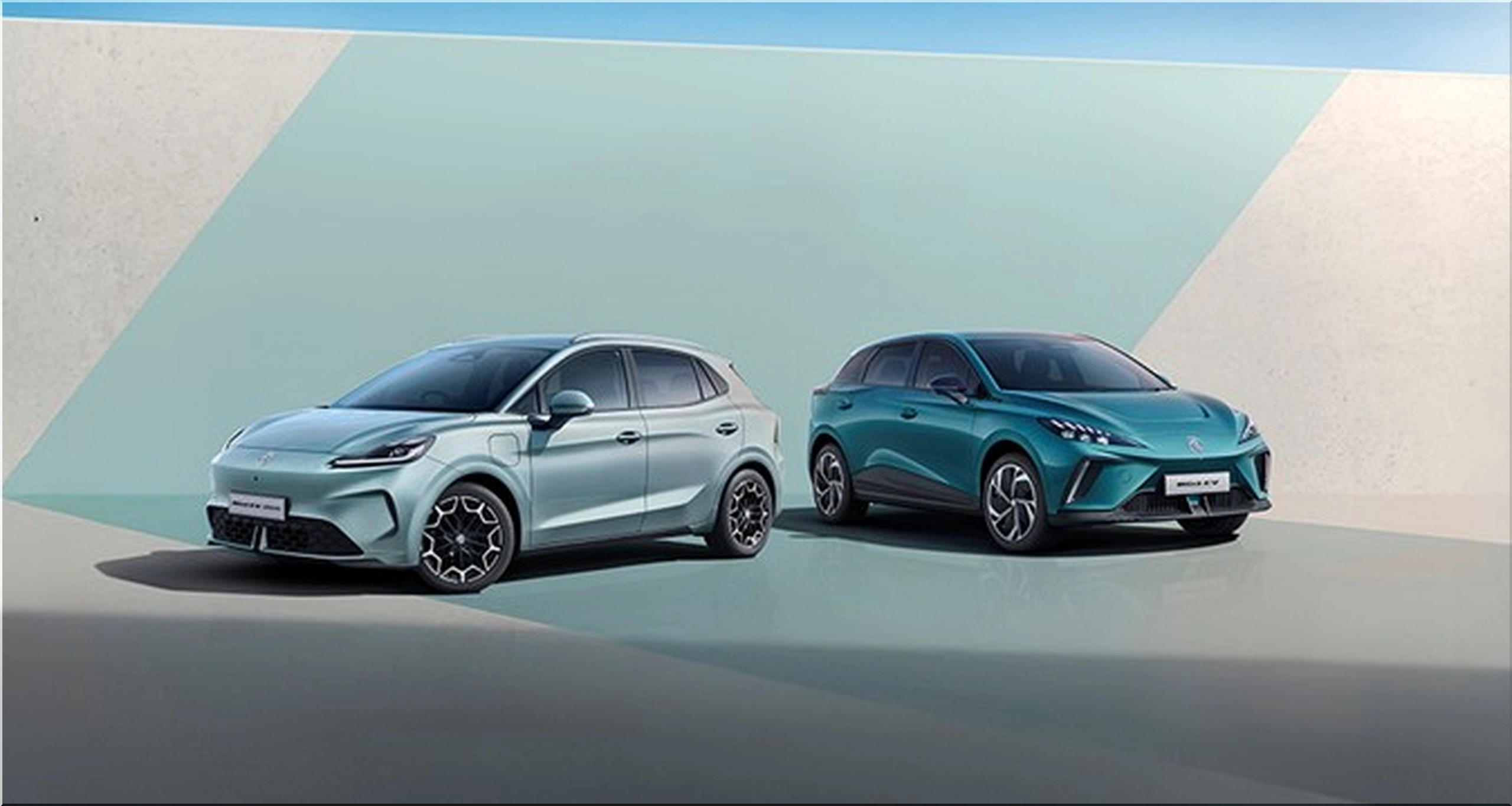
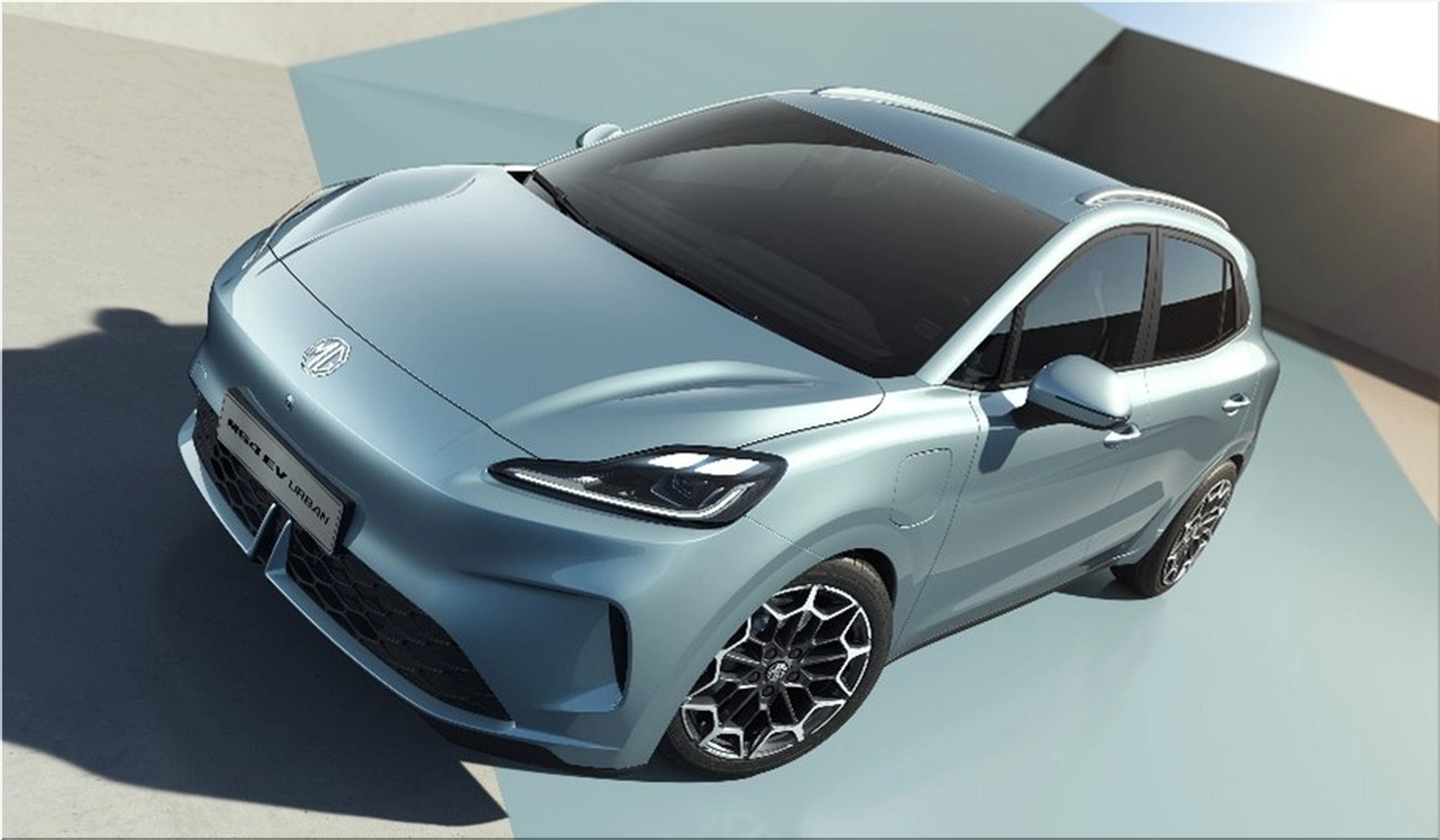
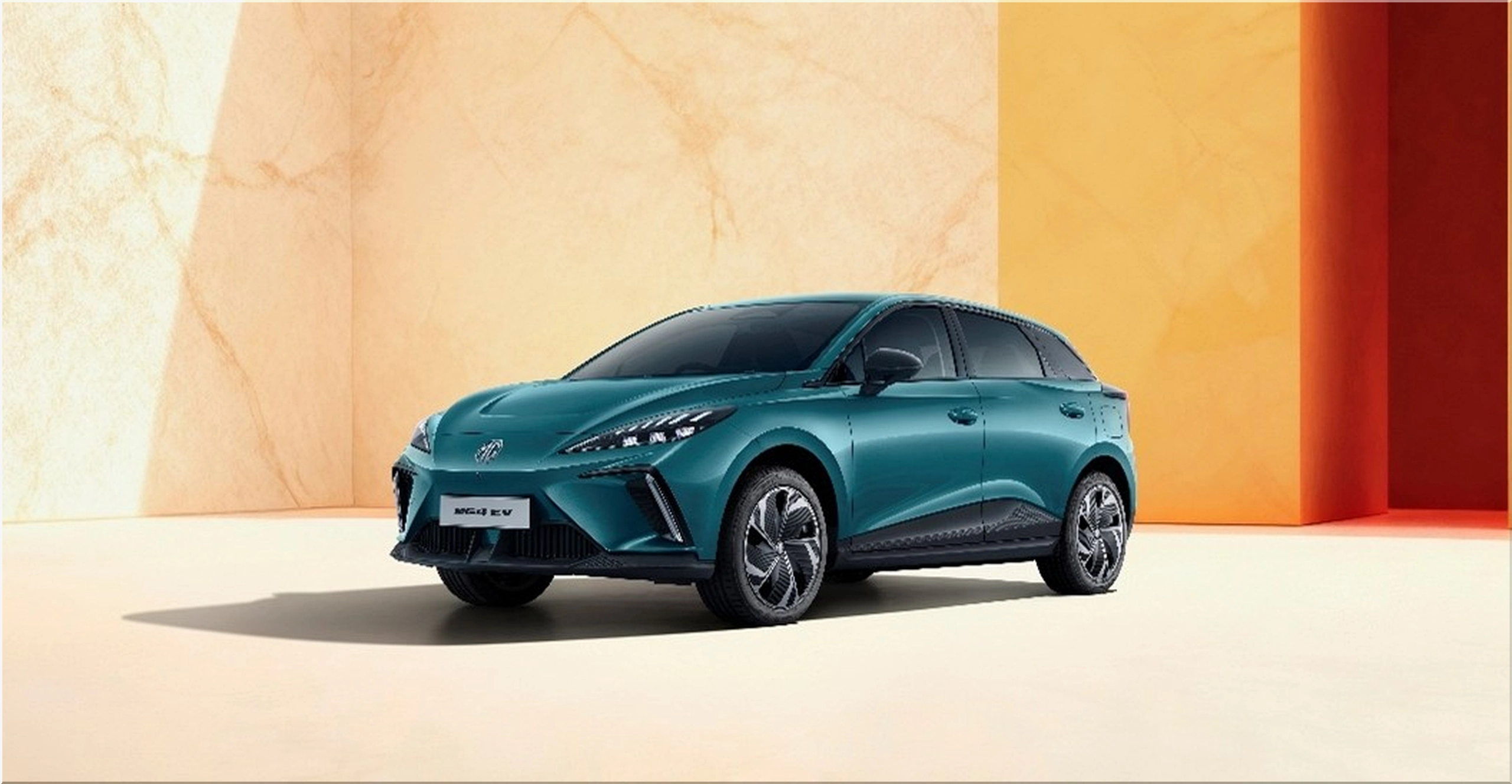
MG has sharpened its electric strategy for 2026. The 2026 MG4 EV Urban anchors that expansion with aggressive pricing, optimized packaging, and a powertrain calibrated for daily efficiency rather than headline horsepower.
Specifically, MG positions the all-new MG4 EV Urban as an entry-point electric hatchback for urban drivers who demand usable range, fast DC charging, and full-spectrum driver assistance without crossing the $22,000 threshold. Looking at the data, it lands squarely in the heart of Europe's compact EV segment and directly targets the Renault Megane E-Tech, Volkswagen ID.3, and BYD Dolphin.
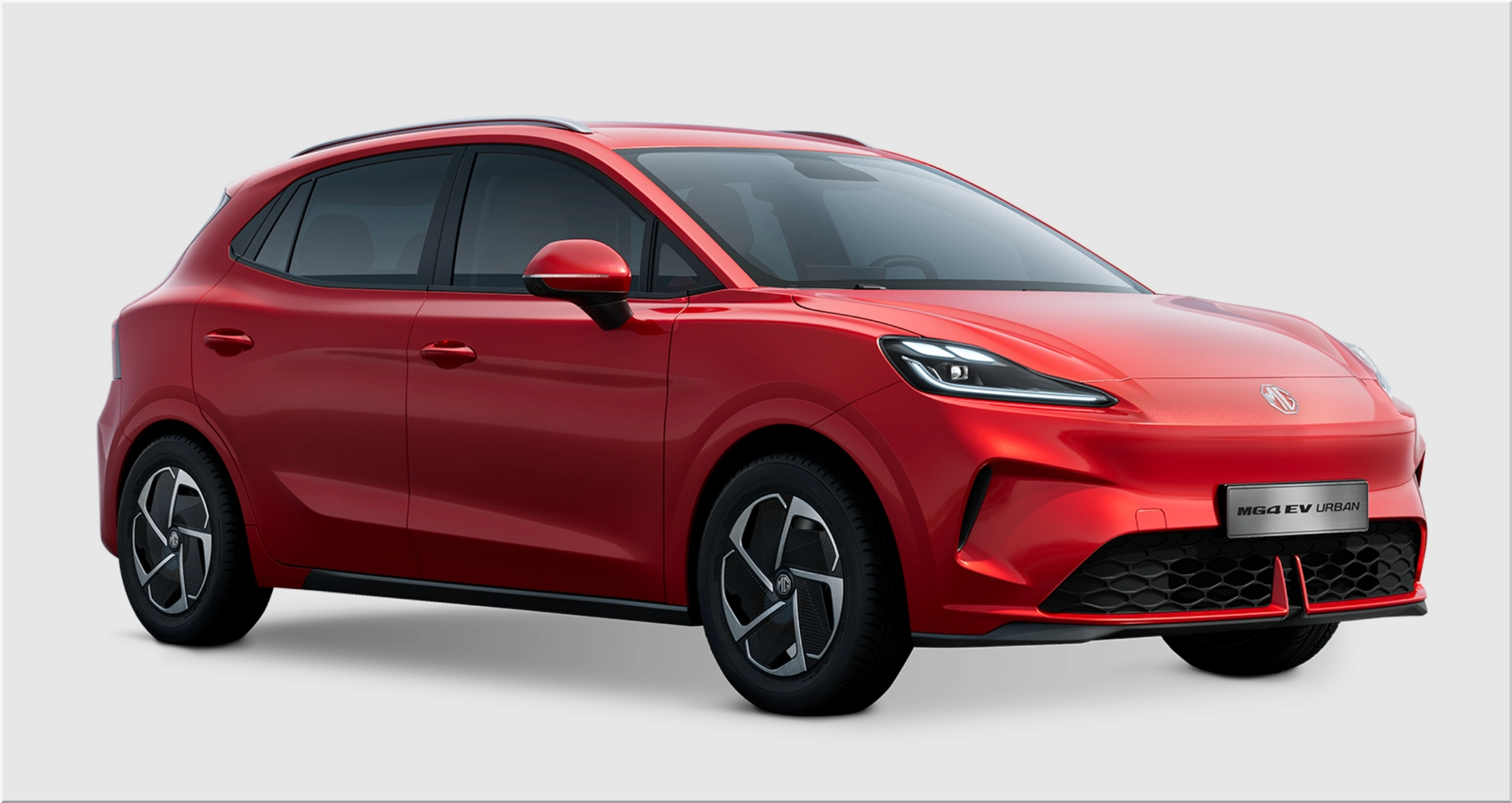
From an expert perspective, this model matters because it refines MG's formula instead of reinventing it. Engineers focused on efficiency per kWh, thermal management under load, packaging density, and cost discipline. The result is a front-wheel-drive electric hatch with real numbers behind the marketing.
Let's break down the engineering.
MG4 EV Urban: Platform Architecture and Dimensional Strategy
The 2026 MG4 EV Urban rides on MG's modular EV architecture optimized for compact battery packaging and flat-floor interior design. This platform allows engineers to stretch wheelbase relative to overall length, maximizing interior volume without pushing exterior dimensions beyond urban-friendly limits.
Exterior Dimensions (MG4 EV Urban)
| Specification | Value |
|---|---|
| Length | 4,395 mm (173.0 in) |
| Width (without mirrors) | 1,842 mm (72.5 in) |
| Height | 1,549 mm (61.0 in) |
| Wheelbase | 2,750 mm (108.3 in) |
| Front/Rear Track | Optimized for FWD stability |
| Turning Radius | Compact city geometry |
That 2,750 mm wheelbase relative to a 4,395 mm overall length produces short overhangs. Consequently, the vehicle maximizes cabin space and improves weight distribution across the front axle.
Specifically, the long wheelbase-to-length ratio enhances straight-line stability while preserving low-speed maneuverability. In tight European city grids, that balance directly impacts usability.
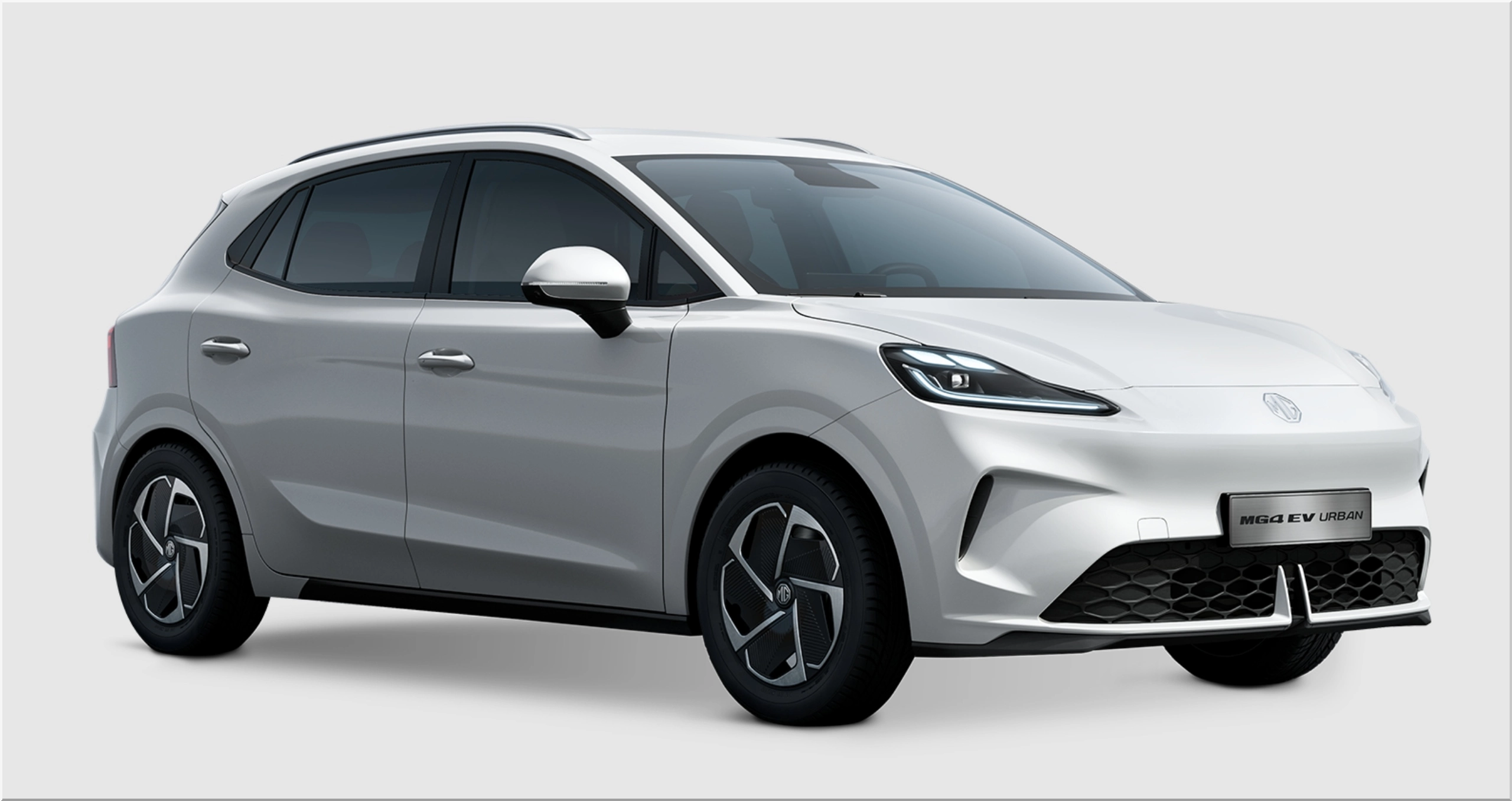
Powertrain: Efficiency Over Excess
MG offers two battery configurations in the MG4 EV Urban lineup:
- 43 kWh (Comfort)
- 54 kWh (Comfort & Luxury)
Both variants drive the front wheels through a single-speed reduction gear. Engineers calibrated the motor for smooth torque delivery rather than peak power spikes.
Powertrain Specifications – MG4 EV Urban
| Specification | 43 kWh Comfort | 54 kWh Comfort/Luxury |
|---|---|---|
| Battery Capacity (gross) | 42.8 kWh | 53.9 kWh |
| Motor Output | 149 hp (110 kW) | 160 hp (118 kW) |
| Max Torque | 250 Nm (184 lb-ft) | 250 Nm (184 lb-ft) |
| 0-62 mph (0-100 km/h) | 9.6 sec | 9.6 sec |
| Top Speed | 160 km/h (99 mph) | 160 km/h (99 mph) |
| WLTP Range | 325 km (202 mi) | 416 km (258 mi) |
| Consumption (WLTP) | 15.5 kWh/100 km | 15.3 kWh/100 km |
Looking at the numbers, the torque output remains consistent across both battery sizes. MG achieves differentiation through range and charging speed rather than acceleration gains.
From an engineering standpoint, that makes sense. Maintaining identical torque simplifies drivetrain calibration and reduces production complexity.
Charging Infrastructure Compatibility and Thermal Logic
Charging defines daily usability. MG engineers tuned the thermal system for efficient energy acceptance under DC fast charging conditions.
DC Fast Charging
- 43 kWh: 82 kW peak DC
- 54 kWh: 87 kW peak DC
- 10–80 percent charge in approx. 28–30 minutes
The larger battery maintains a slightly higher peak input and sustains charging rates more effectively due to improved thermal management.
In addition, MG integrates battery preconditioning. The system prepares cell temperature before arrival at high-power chargers, optimizing charge curves and reducing taper losses.
AC Charging
- Onboard charger: Up to 11 kW (market dependent)
- Overnight recharge under 6 hours on 11 kW wallbox
By comparison, some competitors in this price class cap AC charging at 7.4 kW. MG's higher ceiling improves fleet usability and shared charging efficiency.
Interior Packaging: Space Utilization and Ergonomics
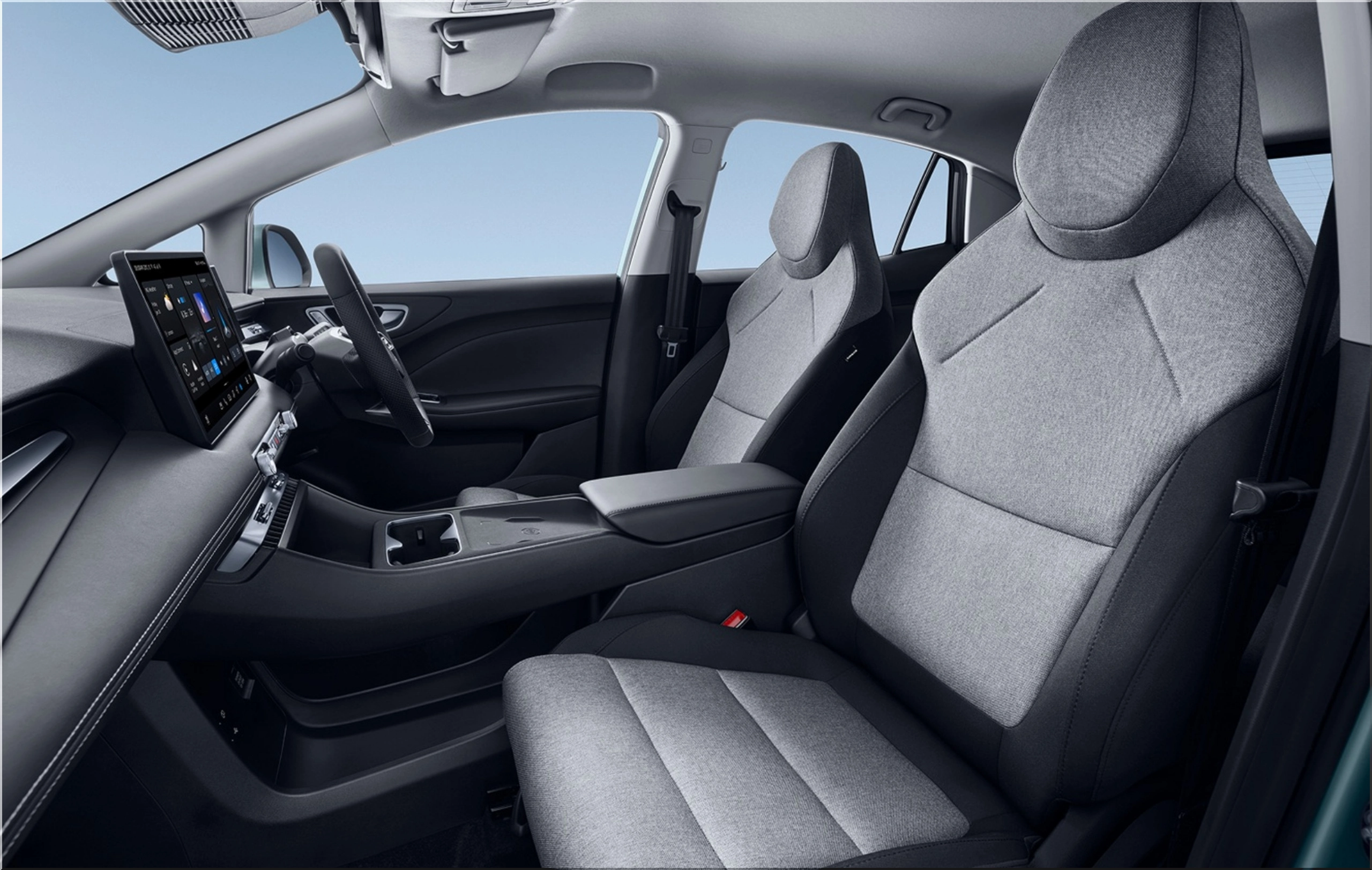
MG optimized interior geometry around the flat battery pack.
Cargo Capacity
| Configuration | Capacity |
|---|---|
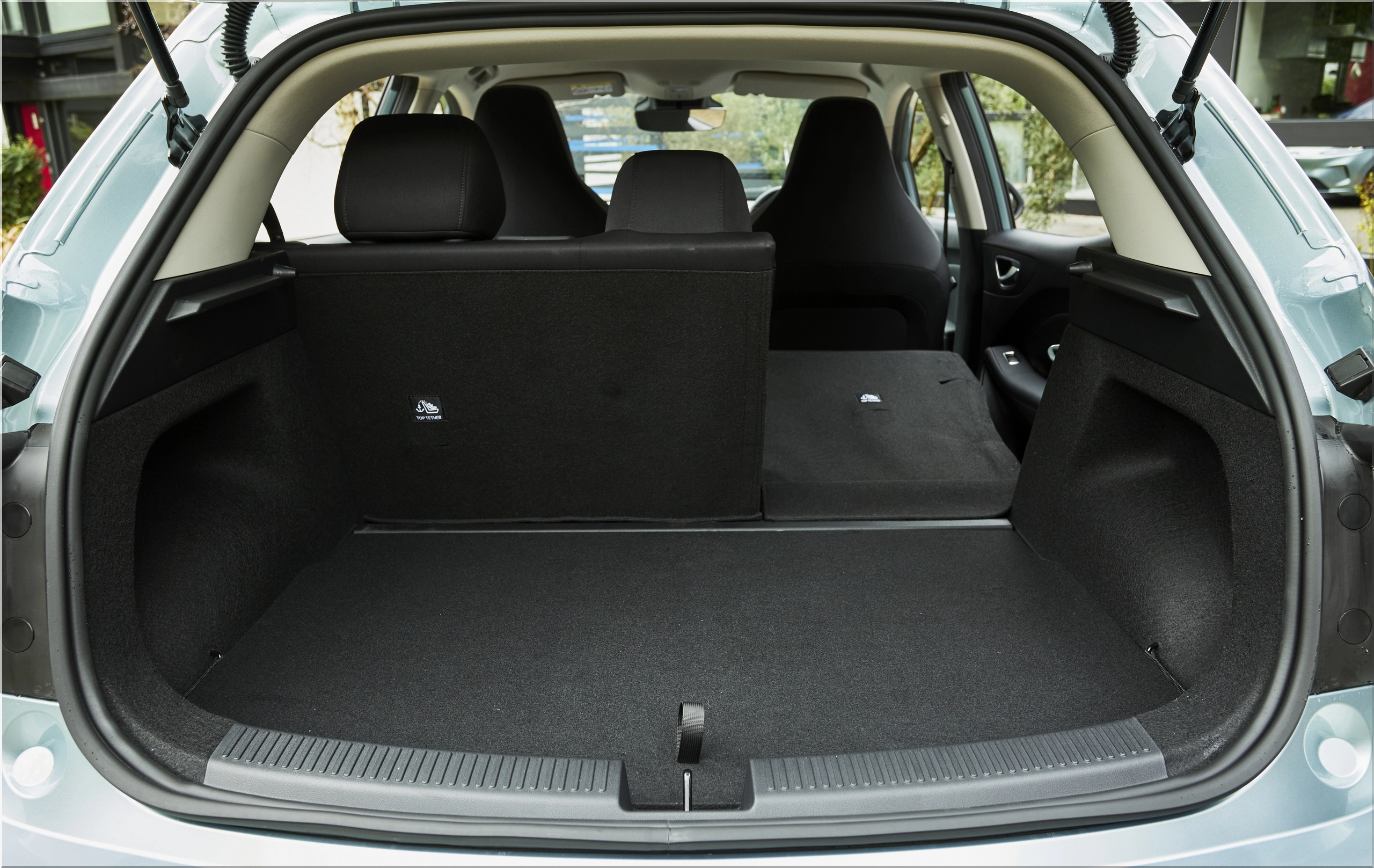
| Standard Boot | 577 liters |
| Seats Folded | 1,364 liters |
| Underfloor Storage | 98 liters additional |
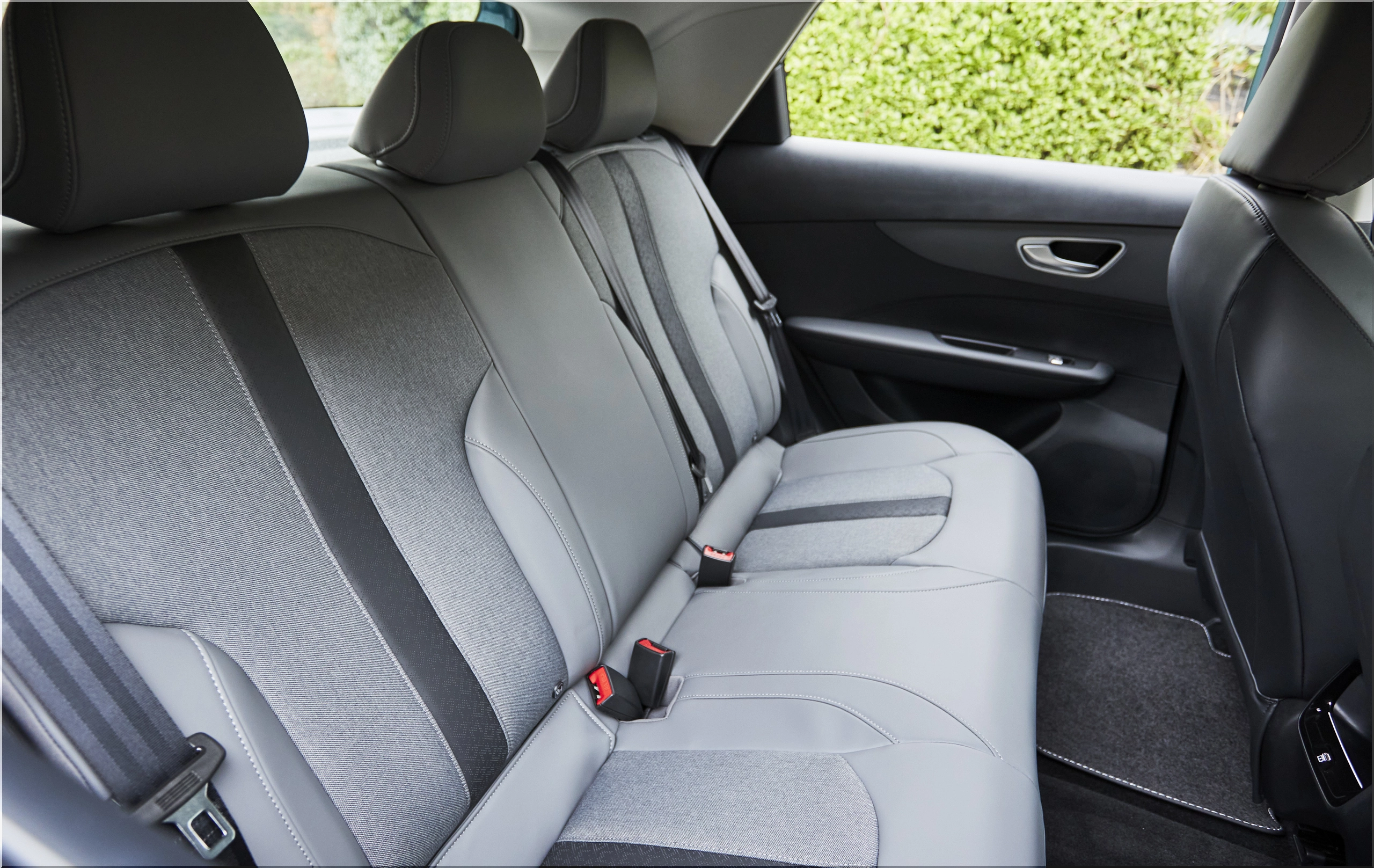
The 60:40 folding rear seats expand cargo volume to over 1,364 liters. Specifically, the underfloor compartment allows separation of charging cables from primary luggage.
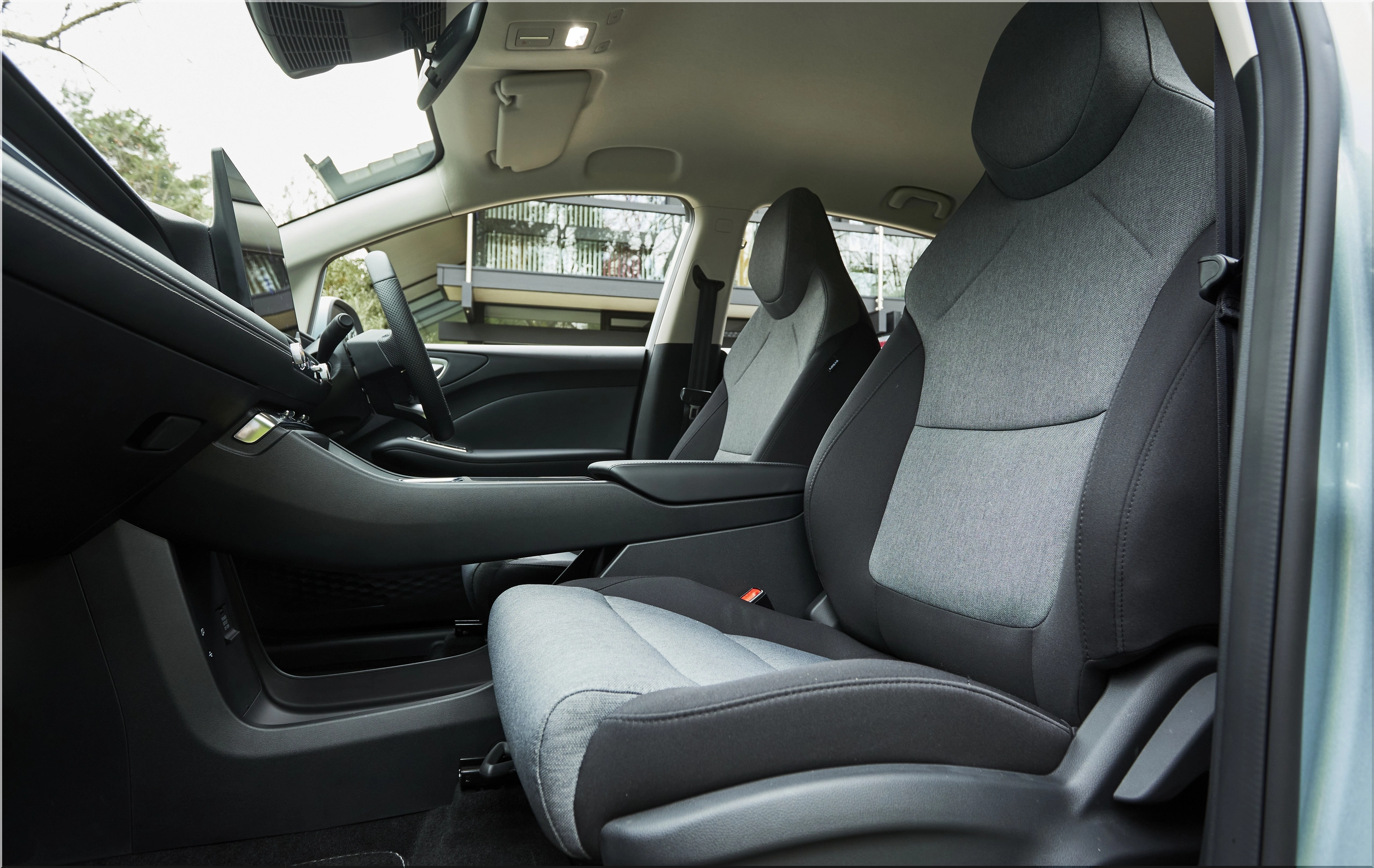
Headroom measures 997 mm (39.3 in) front and 957 mm (37.7 in) rear. That measurement places the MG4 competitively against longer vehicles.
From a packaging perspective, MG exploited vertical space efficiently without raising the roofline excessively.
Technology Stack: Displays, Connectivity, and Interface Logic
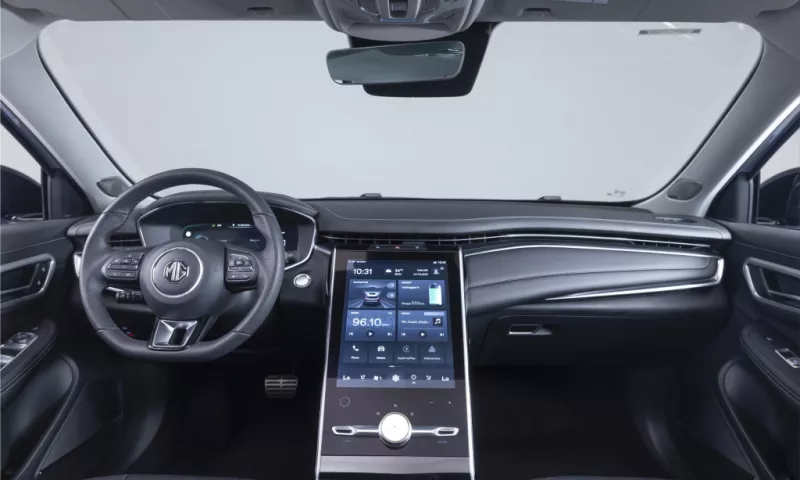
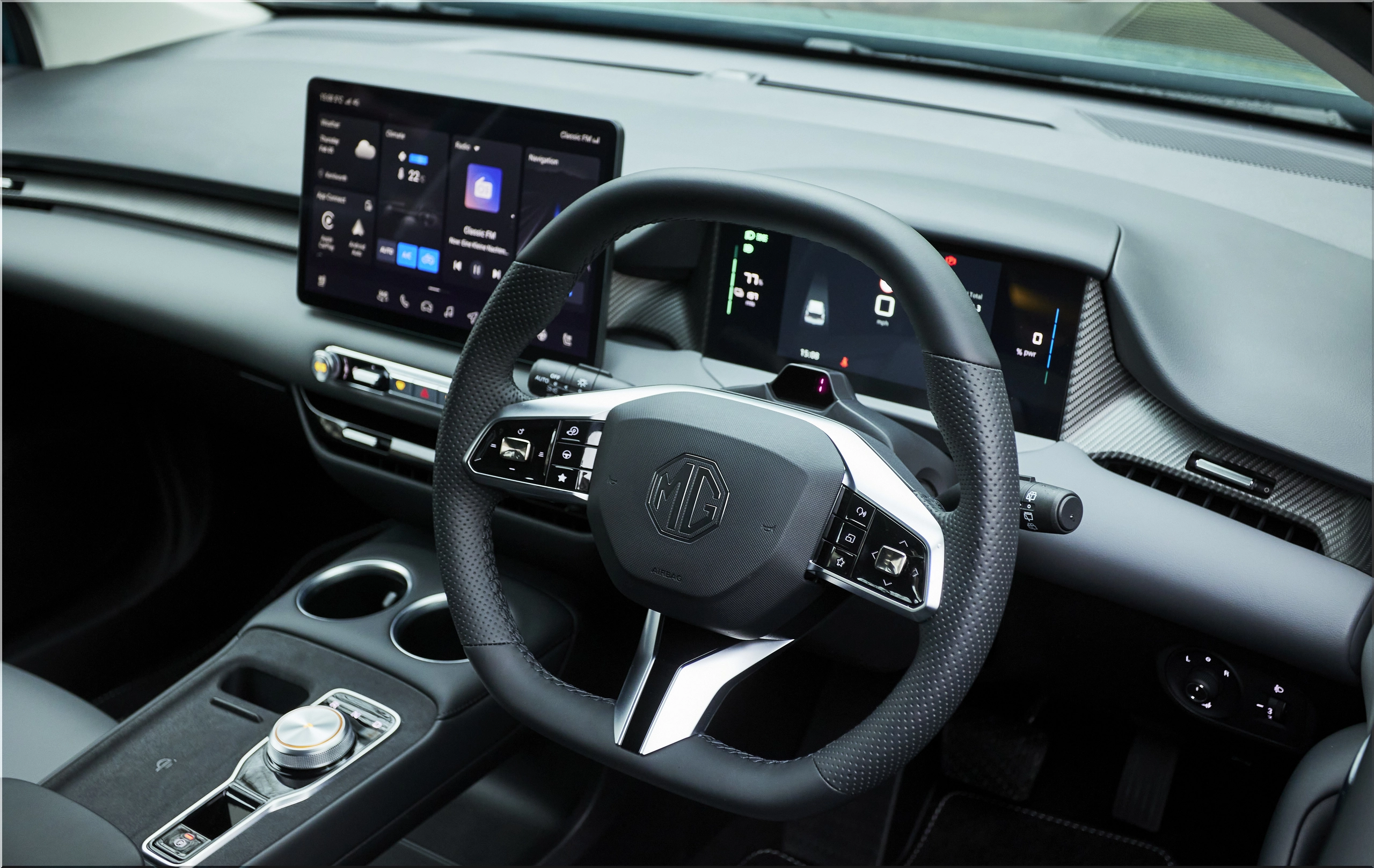
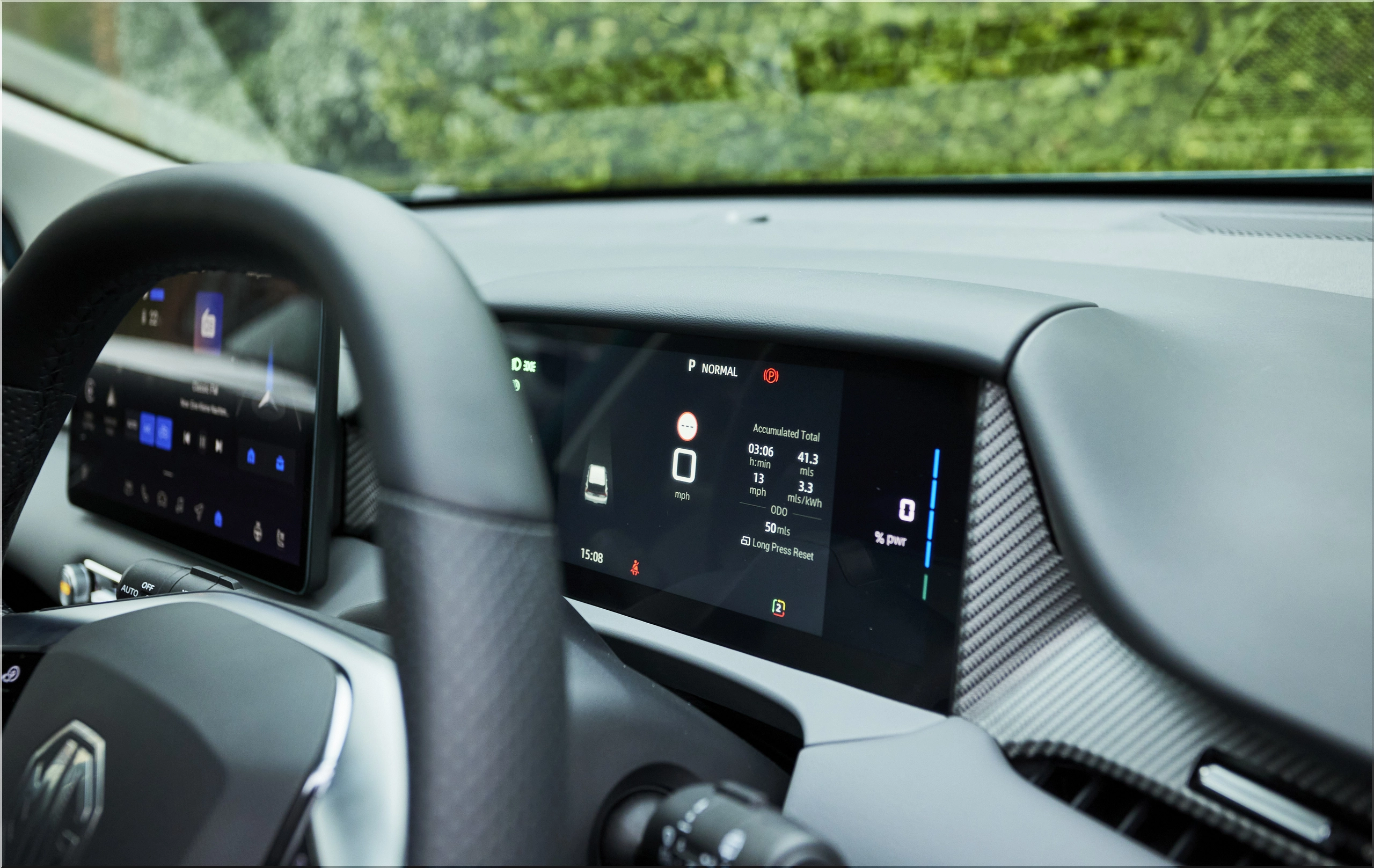
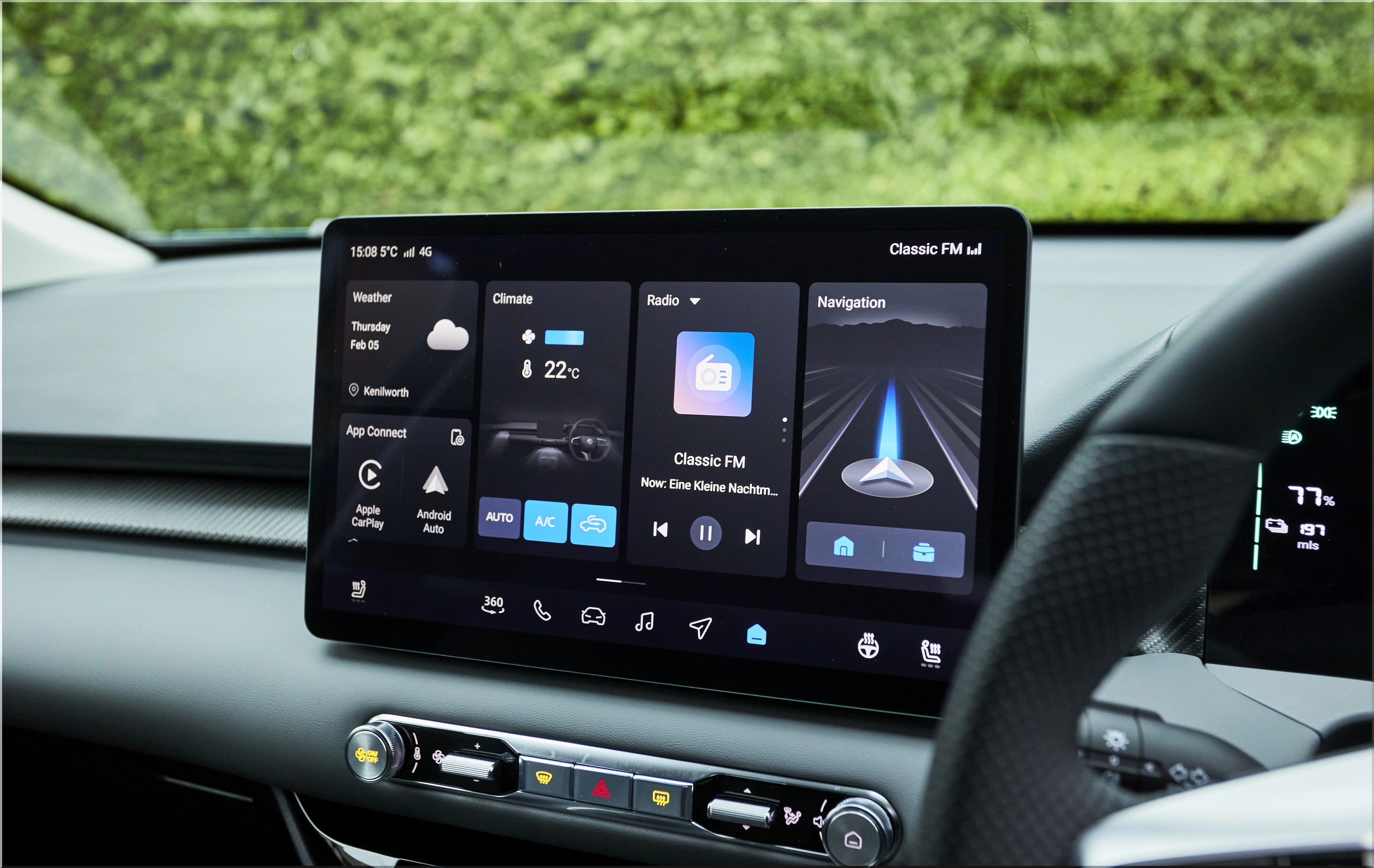
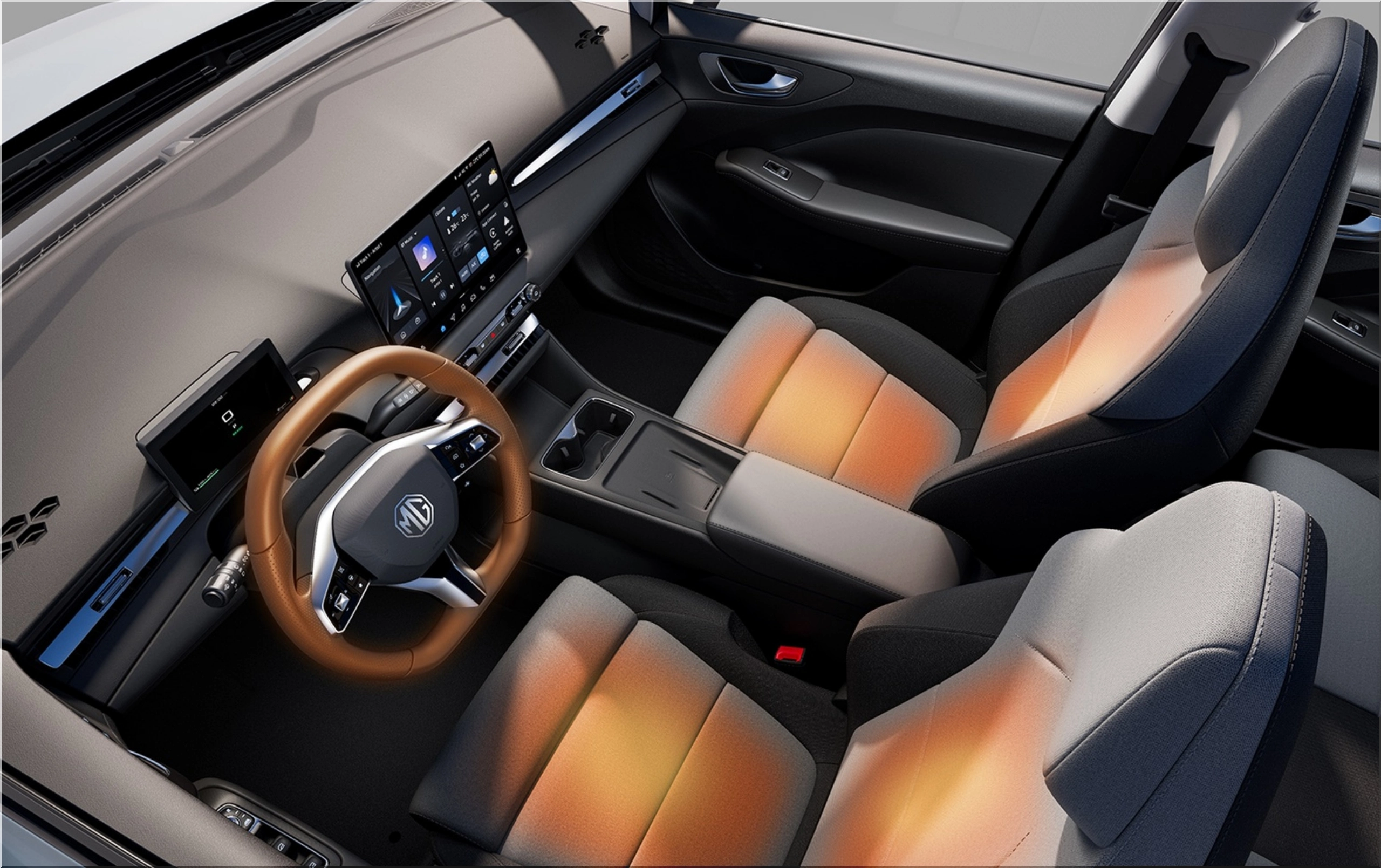
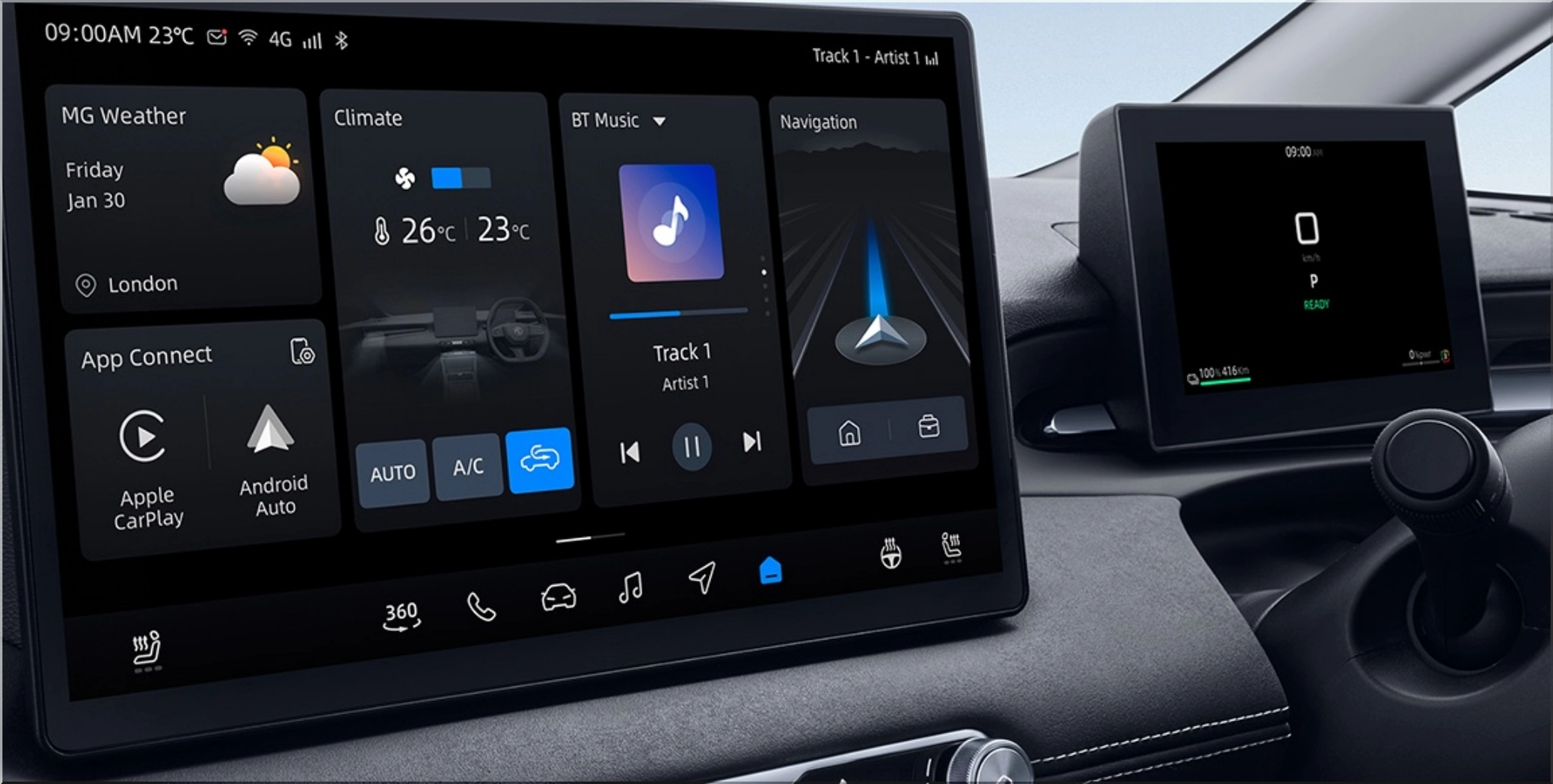
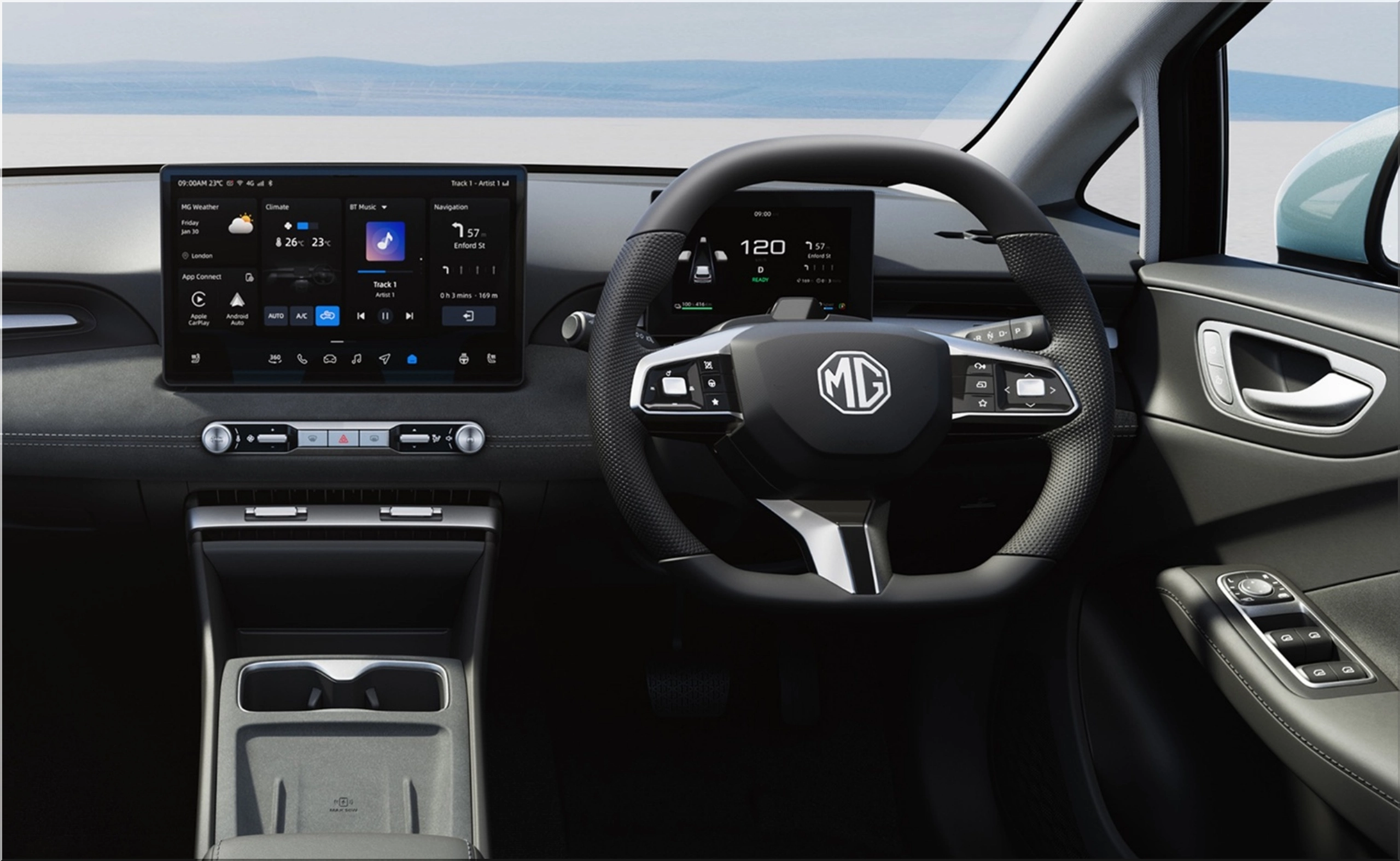
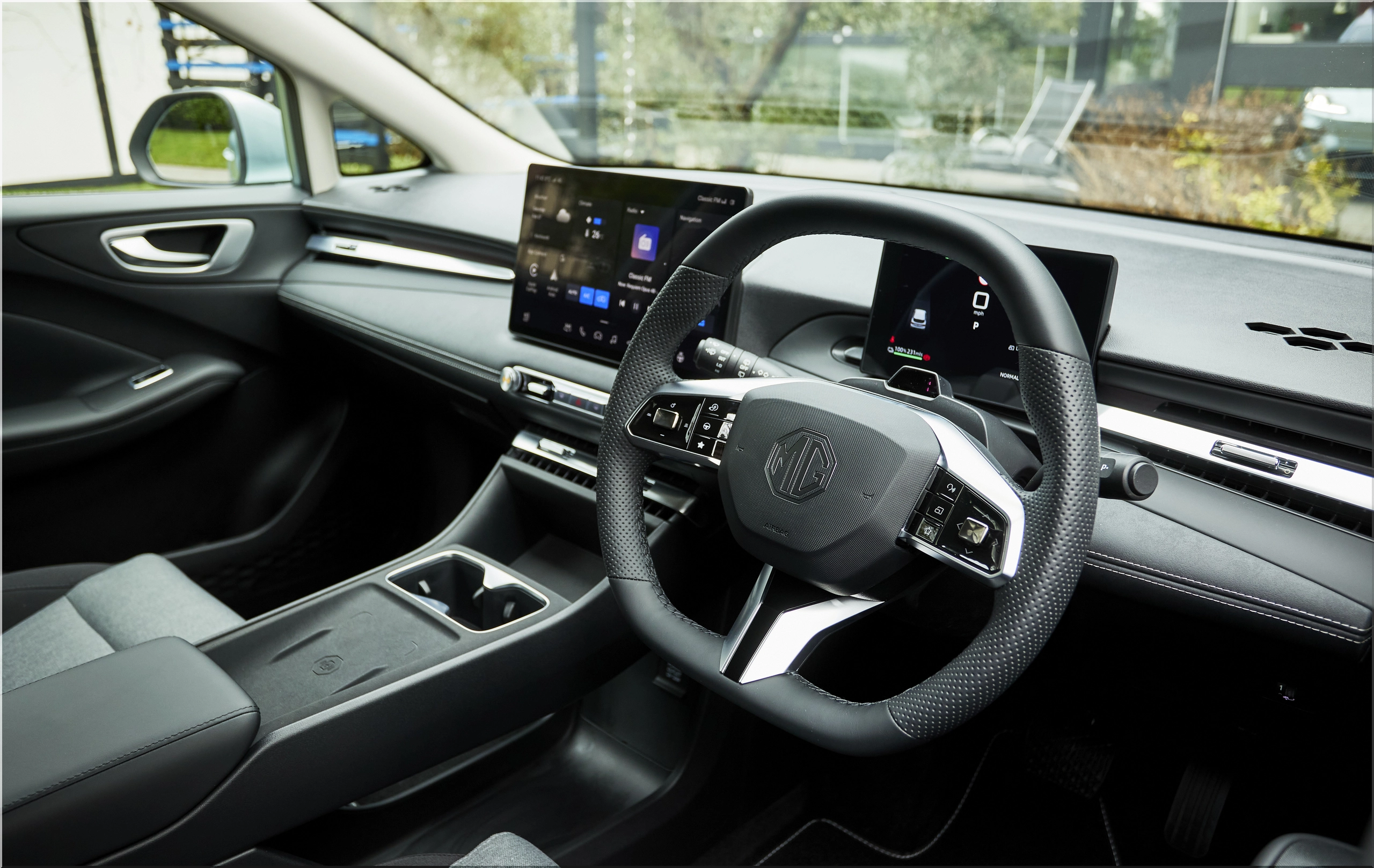
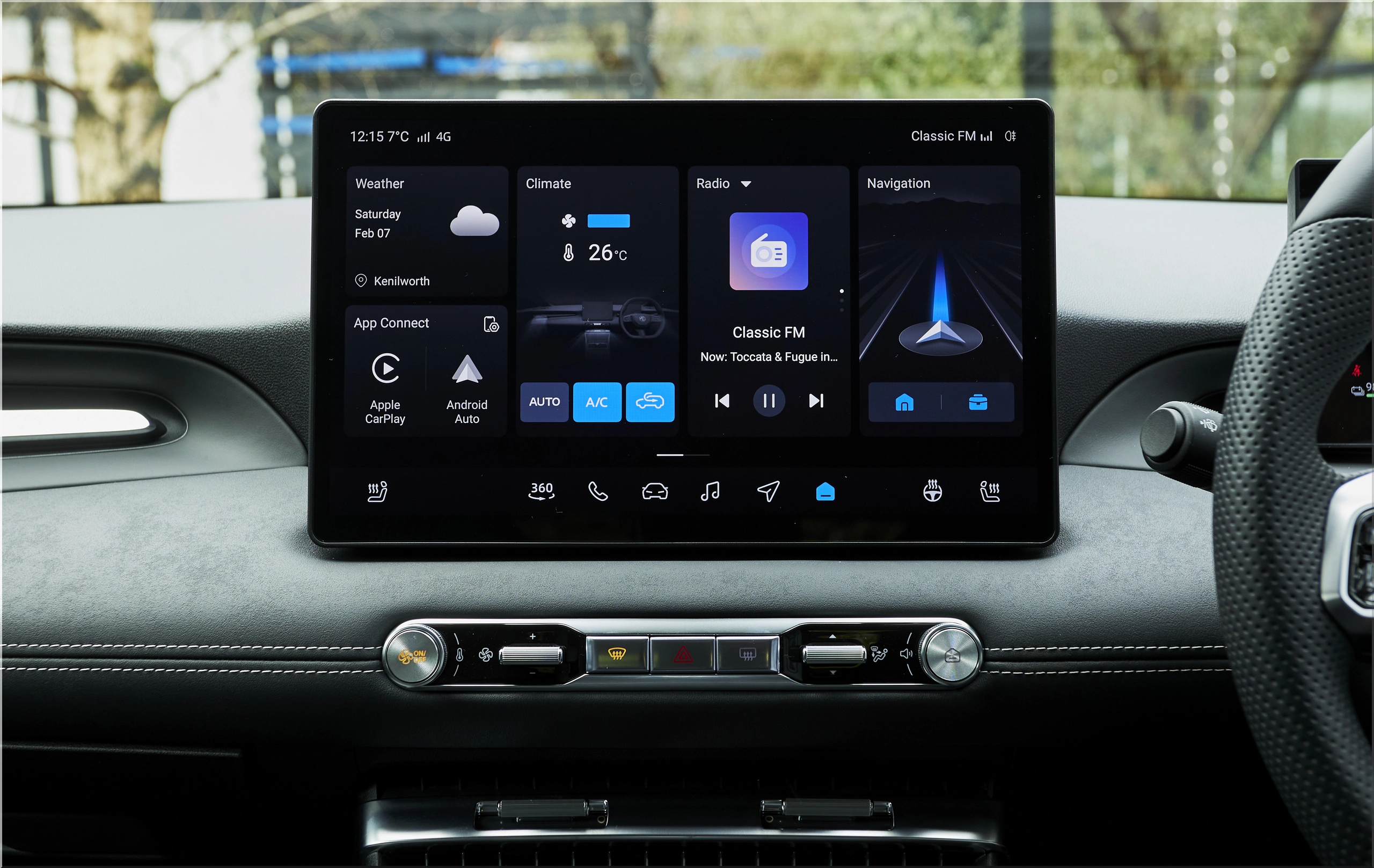
MG integrates a dual-screen layout:
- 12.8-inch HD central touchscreen
- 7-inch digital driver display
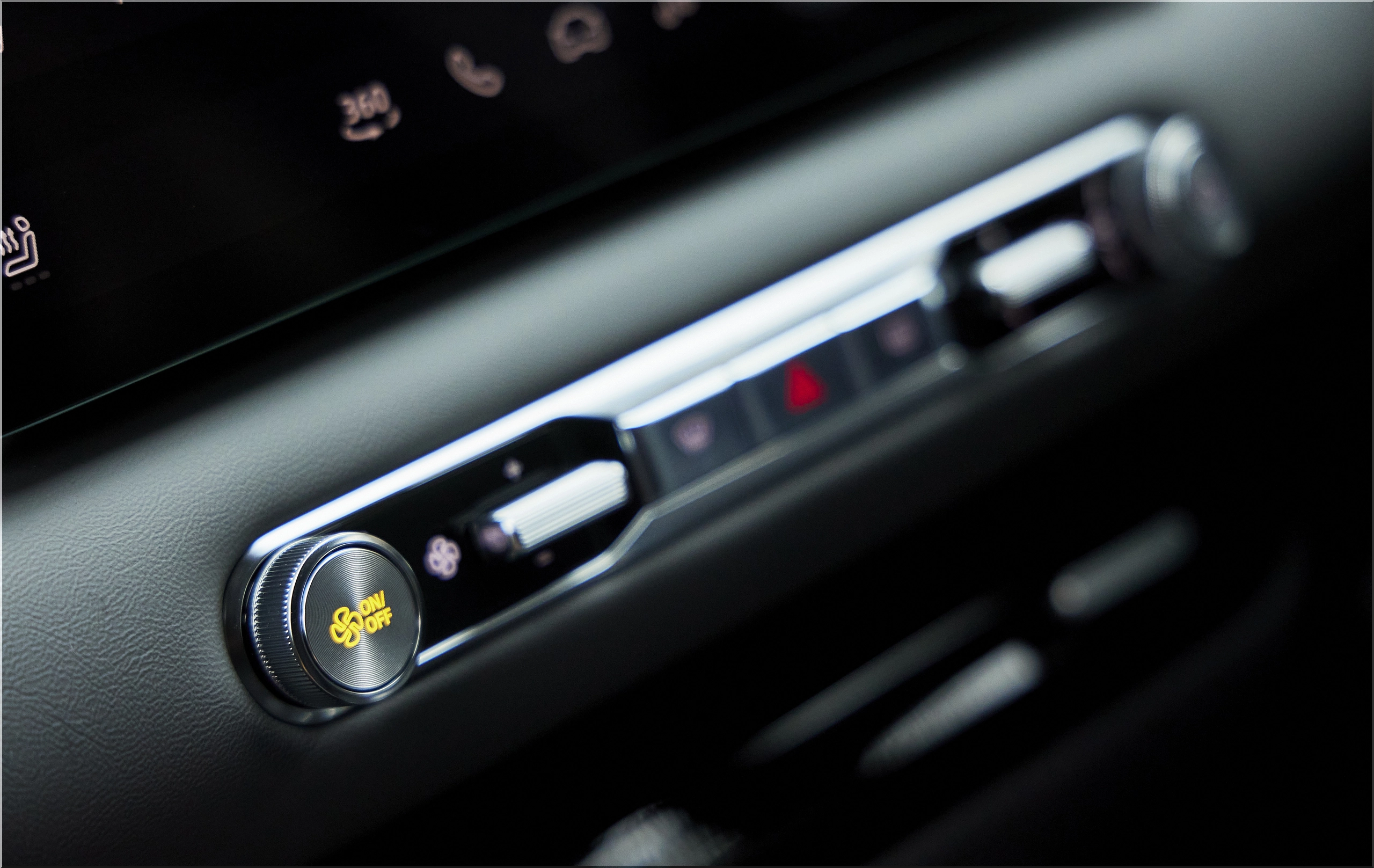
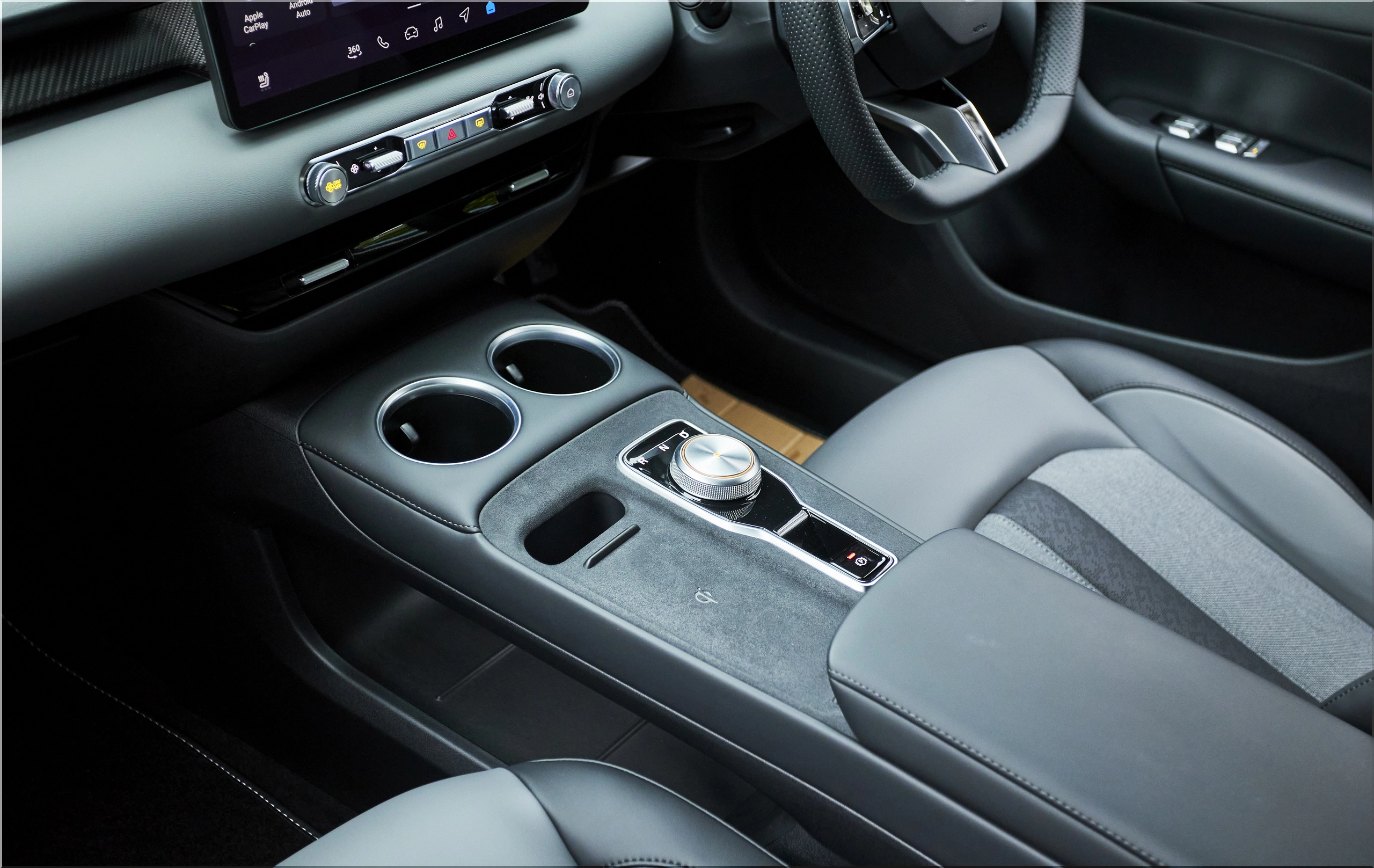
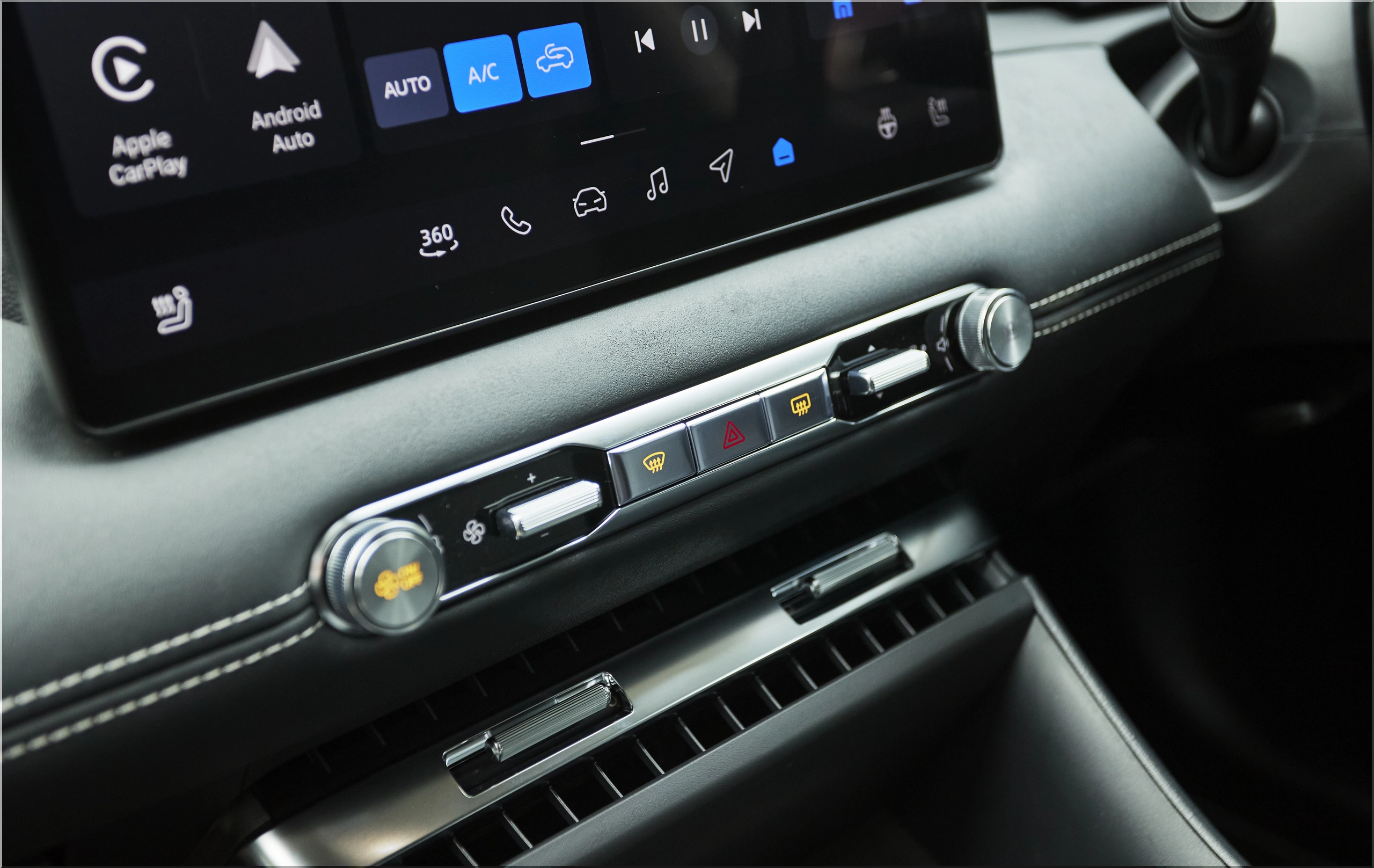
Specifically, engineers retained physical climate control buttons after customer feedback. That decision reduces driver distraction and lowers glance time.
Connectivity Features
- Wireless Apple CarPlay
- Wireless Android Auto
- Bluetooth
- USB-C charging ports
- Integrated navigation
- Over-the-air updates (market dependent)
The Luxury trim adds wireless charging and expanded online app integration.
Safety Systems and ADAS Calibration
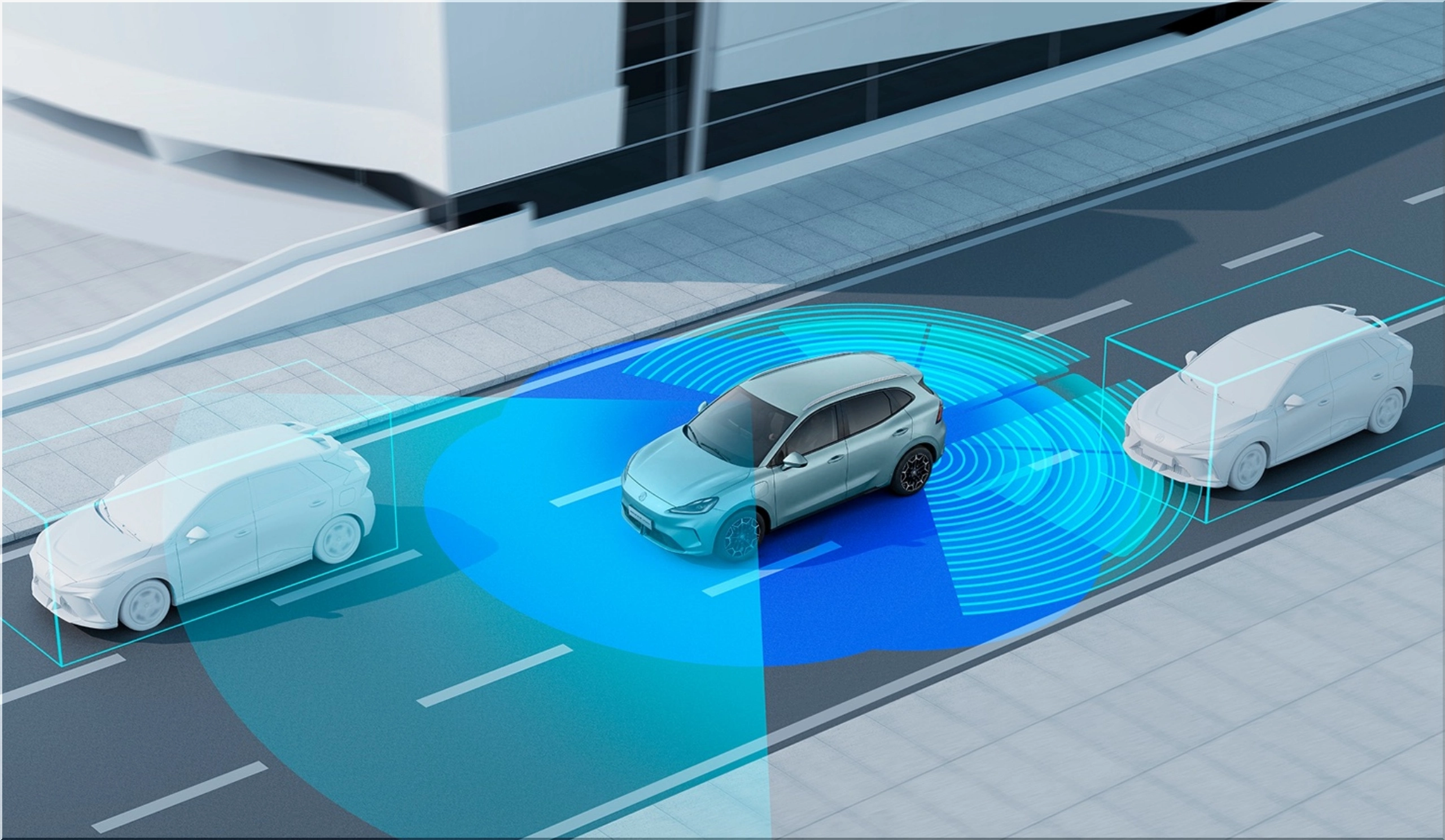
The MG Pilot Custom suite bundles advanced driver assistance systems.
Standard ADAS Systems
- Adaptive Cruise Control (ACC)
- Intelligent Cruise Assist (ICA)
- Autonomous Emergency Braking (AEB)
- Lane Keep Assist (LKA)
- Traffic Jam Assist (TJA)
- Blind Spot Detection (BSD)
- Rear Cross Traffic Alert (RCTA)
- Driver Monitoring System (DMS)
- 360-degree camera (Luxury trim)
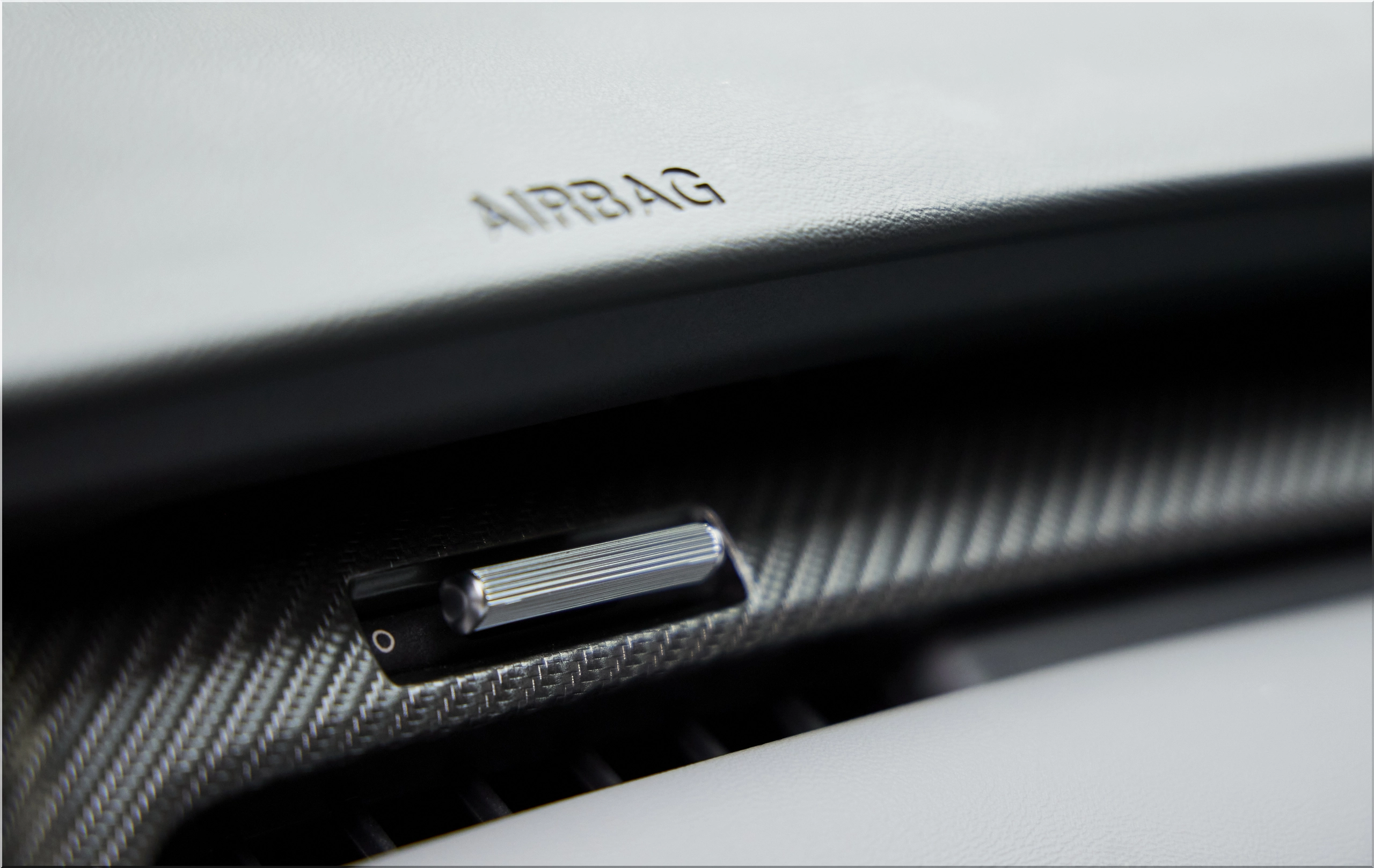
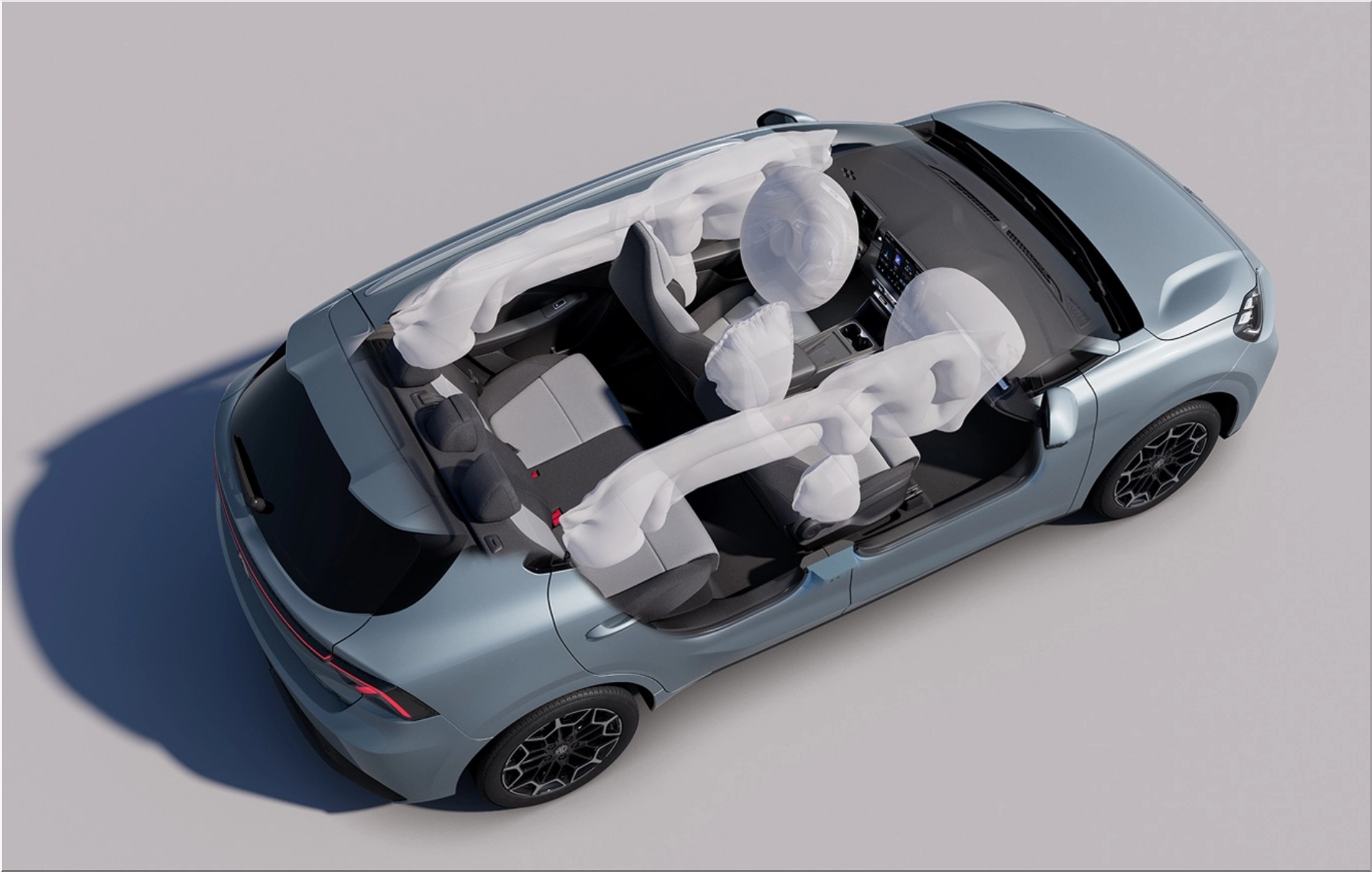
The vehicle includes seven airbags and earns a 5-star Euro NCAP rating.
Looking at the data, MG positions safety as a core selling point rather than an upsell.
Pricing Strategy: Aggressive Entry Point
European pricing translates to approximately:
- $21,500 – 43 kWh Comfort
- $23,700 – 54 kWh Comfort
- $27,000 – 54 kWh Luxury
From a cost-per-mile perspective, the 54 kWh variant delivers stronger value due to the extended 258-mile WLTP range.
Competitive Analysis: MG4 EV Urban vs Key Rivals
Comparison 1: MG4 EV Urban vs Volkswagen ID.3
| Metric | MG4 EV Urban (54 kWh) | VW ID.3 (58 kWh) |
|---|---|---|
| Price (USD est.) | ~$23,700 | ~$38,000 |
| Range (WLTP) | 416 km | 426 km |
| DC Charging | 87 kW | 120 kW |
| Power | 160 hp | 201 hp |
| Drivetrain | FWD | RWD |
| Boot Space | 577 L | 385 L |
Win: Price, cargo space
Loss: DC peak rate, power
MG undercuts Volkswagen dramatically on price while offering comparable range.
Comparison 2: MG4 EV Urban vs Renault Megane E-Tech
| Metric | MG4 EV Urban | Megane E-Tech 60 kWh |
|---|---|---|
| Price | ~$23,700 | ~$36,000 |
| Range | 416 km | 450 km |
| Charging | 87 kW | 130 kW |
| Cargo | 577 L | 440 L |
Renault offers faster DC charging but demands a higher price.
Comparison 3: MG4 EV Urban vs BYD Dolphin
| Metric | MG4 EV Urban | BYD Dolphin 60 kWh |
|---|---|---|
| Price | ~$23,700 | ~$25,500 |
| Range | 416 km | 427 km |
| Power | 160 hp | 201 hp |
| Cargo | 577 L | 345 L |
MG wins on storage volume and undercuts BYD slightly in pricing for similar range.
Engineering Logic Behind Key Decisions
Why Front-Wheel Drive?
Front-wheel drive reduces cost and complexity. Specifically:
- Single motor layout lowers production expense.
- Reduced drivetrain components cut weight.
- Improved traction in wet urban conditions.
MG reserves rear-drive and dual-motor setups for higher trims like XPOWER.
Why Moderate Charging Speeds?
Higher DC peaks demand heavier cooling systems and thicker cabling. MG balanced cost, weight, and thermal efficiency instead of chasing triple-digit charge numbers.
From a systems-engineering perspective, that choice protects battery longevity.
Pro-Tip: Choosing the Right MG4 EV Urban Variant
If you commute under 40 miles daily and rely on home charging, the 43 kWh model delivers maximum ROI.
If you road-trip monthly, the 54 kWh variant offsets range anxiety and improves resale value.

What Now? Actionable Takeaways
- Calculate your weekly mileage.
- Evaluate home charging access.
- Compare cost per mile against gasoline vehicles.
- Test-drive the 54 kWh variant for highway confidence.
- Assess resale trajectory in your local EV market.
Looking at the data, the 2026 MG4 EV Urban delivers a sharp value proposition. It sacrifices headline acceleration and ultra-fast charging peaks in exchange for interior space, efficiency, and price discipline.
From an expert perspective, that formula works. MG refined the essentials and left the fluff behind.
- Add new comment
- 255 views