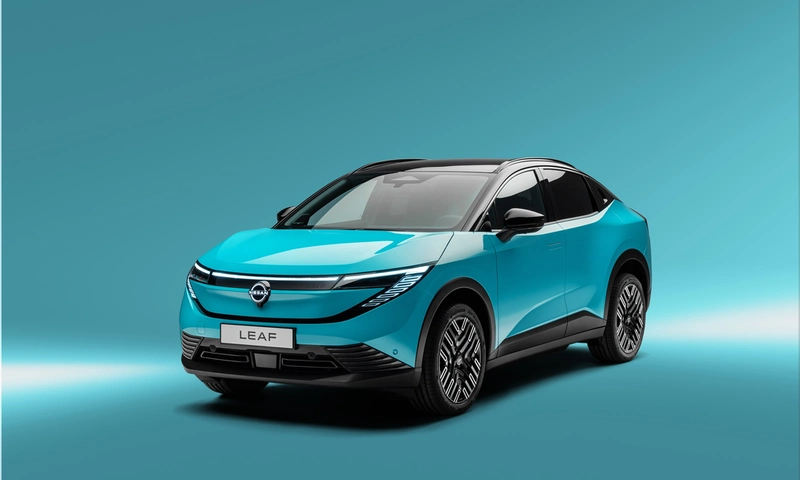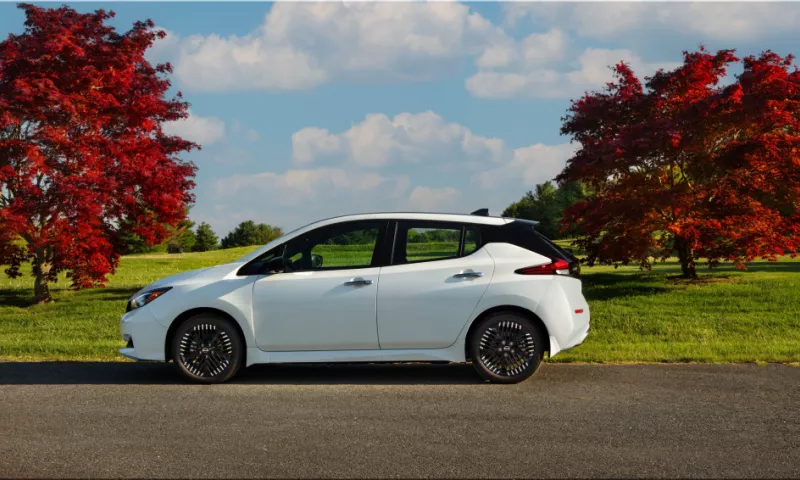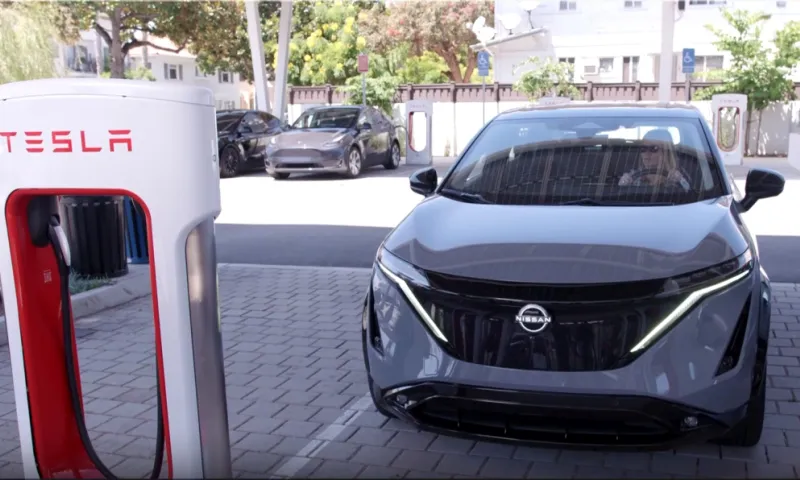

Nissan just shifted the electric vehicle market again. The third-generation Nissan LEAF is no longer a humble hatchback. It now enters the arena as a sleek electric crossover built on the CMF-EV platform. This is the same architecture supporting the larger Nissan Ariya. The upgrade brings a massive jump in driving range, faster charging, and a tech-heavy cabin that finally ditches the aging interior of its predecessor.
The headline figure for the all-new LEAF is its 386-mile range (WLTP) when equipped with the 75 kWh battery. Even the entry-level 52 kWh battery offers a stout 271 miles, making it a serious contender for daily commuting and long-distance travel. Nissan clearly prioritized efficiency. The car boasts a 0.25 drag coefficient, one of the best in its class.
Pricing and Market Strategy
Nissan is aggressive with its pricing strategy to maintain its lead in the affordable EV segment. In the United States, the 2026 Nissan LEAF S+ starts at an MSRP of $29,990. This makes it the lowest-priced new electric car on sale in the U.S. market. The mid-range SV+ grade hits the showrooms at $34,230, while the flagship Platinum+ trim tops out at $38,990.
European customers see similar competitive positioning. In the United Kingdom, prices start at approximately $41,800 (£32,249) after local incentives. German buyers can expect a starting price of roughly $40,300 (€37,000). By undercutting the previous model's launch price from 15 years ago, Nissan is betting on volume and mass-market adoption.
EV Crossover Competition Comparison
| Model | Starting Price (Approx. USD) | Max Range (Miles) | Battery Size (kWh) |
|---|---|---|---|
| 2026 Nissan LEAF | $29,990 | 386 | 75 |
| Hyundai Kona Electric | $32,975 | 261 | 64.8 |
| Kia Niro EV | $39,600 | 253 | 64.8 |
| Tesla Model 3 RWD | $42,490 | 363 | 75 |
Performance and Power Delivery
The 75 kWh battery variant delivers 214 horsepower and 261 lb-ft of torque. This setup allows the LEAF to sprint from 0-62 mph in roughly 7.6 seconds when using Sport mode. The smaller 52 kWh pack isn't far behind. It produces 174 horsepower and 254 lb-ft of torque, reaching 62 mph in about 8.3 seconds.
One-pedal driving remains a staple via the e-Pedal Step system. This technology allows drivers to accelerate and decelerate using only the accelerator pedal. It recovers energy through regenerative braking, which is essential for maximizing battery efficiency in stop-and-go city traffic.
Charging and Grid Integration
Nissan finally retired the CHAdeMO plug in Western markets. The 2026 LEAF now uses the standard CCS 2 port in Europe and the NACS port in North America. This change simplifies access to the global charging infrastructure.
- 150 kW DC Fast Charging: Recover 273 miles of range in just 30 minutes.
- Battery Thermal Management: A liquid-cooled system ensures consistent charging speeds even in freezing temperatures.
- Vehicle-to-Load (V2L): Power external devices like camping gear or power tools directly from the car's battery.
- Vehicle-to-Grid (V2G): In specific markets, owners can sell energy back to the grid during peak demand to lower utility costs.

Tech-Forward Interior Design
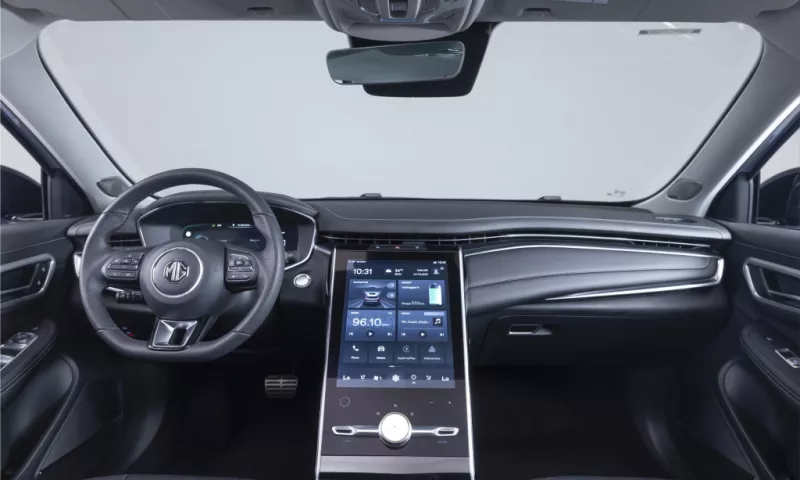
Inside, the cabin is a minimalist's dream. A floating horizontal dashboard replaces the cluttered buttons of the past. The star of the show is the monolith-style display. Base trims get dual 12.3-inch screens, while higher grades feature massive 14.3-inch integrated displays.
Google built-in is now standard on most trims. This integration provides native access to Google Maps, Google Assistant, and the Google Play Store. Owners can stream YouTube or download third-party apps directly to the infotainment system. The NissanConnect Services app allows for remote climate control and real-time route planning.
Premium Comfort Features
- Dimming Panoramic Roof: Uses liquid crystal technology to switch from transparent to opaque at the touch of a button.
- Bose Personal Plus Audio: Features speakers integrated into the front headrests for a 360-degree sound experience.
- Massage Seats: The driver's seat in the Evolve trim includes an 8-way power adjustment with built-in massage functions.
- Cargo Capacity: The 437-liter boot provides ample space for a family of five, outperforming many subcompact SUVs.
Definition: Drag Coefficient (Cd)
This numerical value represents how easily an object moves through the air. The LEAF's 0.25 Cd rating means it encounters minimal air resistance. Lower drag directly translates to higher energy efficiency and extended highway range.
Safety and Driver Assistance
Safety is a core pillar of the third-generation LEAF. The ProPILOT Assist system provides hands-on highway assistance, combining Adaptive Cruise Control with Lane Centering. Higher trims feature ProPILOT Assist with Navi-link, which automatically adjusts the vehicle's speed based on upcoming curves or speed limit changes detected by the navigation system.
The 3D Intelligent Around View Monitor offers a bird's-eye view of the car. It includes Invisible Hood View, allowing drivers to see exactly what is underneath the front bumper. This is particularly useful for tight city parking or avoiding high curbs.
- Intelligent Emergency Braking: Detects pedestrians and cyclists to prevent front-end collisions.
- Blind Spot Intervention: Actively steers the car back into its lane if a vehicle is detected in the blind spot.
- Rear Cross Traffic Alert: Warns the driver of approaching vehicles while reversing out of parking spaces.
Pro-Tip: Maximize Your Winter Range
Use the pre-conditioning feature via the NissanConnect app while the car is still plugged in. This warms the cabin and the battery pack using grid power rather than the car's battery. It can preserve up to 15 percent of your driving range on cold mornings.
Production and Sustainability
Nissan produces the all-new LEAF at its Sunderland plant in the UK. This facility is a hub for the EV36Zero ecosystem, which integrates electric vehicle manufacturing, battery production, and renewable energy. The plant uses 20 percent renewable energy to power its assembly lines.
The LEAF is a vital part of Nissan Ambition 2030. This vision aims for carbon neutrality across the entire product lifecycle by 2050. By using sustainable materials in the cabin and improving battery recycling processes, Nissan is positioning the LEAF as a leader in eco-friendly transportation.

What Now?
The 2026 Nissan LEAF is no longer just the "other" EV. It is a legitimate long-range crossover that competes on price and technology. If you are looking for an electric vehicle that offers over 300 miles of range for under $35,000, the LEAF should be at the top of your list.
- Check Local Grants: Many regions offer incentives that can drop the price by several thousand dollars.
- Test Drive Both Batteries: The 52 kWh model is lighter and more agile, while the 75 kWh model is a highway king.
- Evaluate Home Charging: Ensure you have a Level 2 charger installed to take full advantage of overnight charging at off-peak rates.
- Add new comment
- 93 views