The next Toyota you hail could arrive without a driver. But after the novelty comes a practical question: when can you actually book a ride?
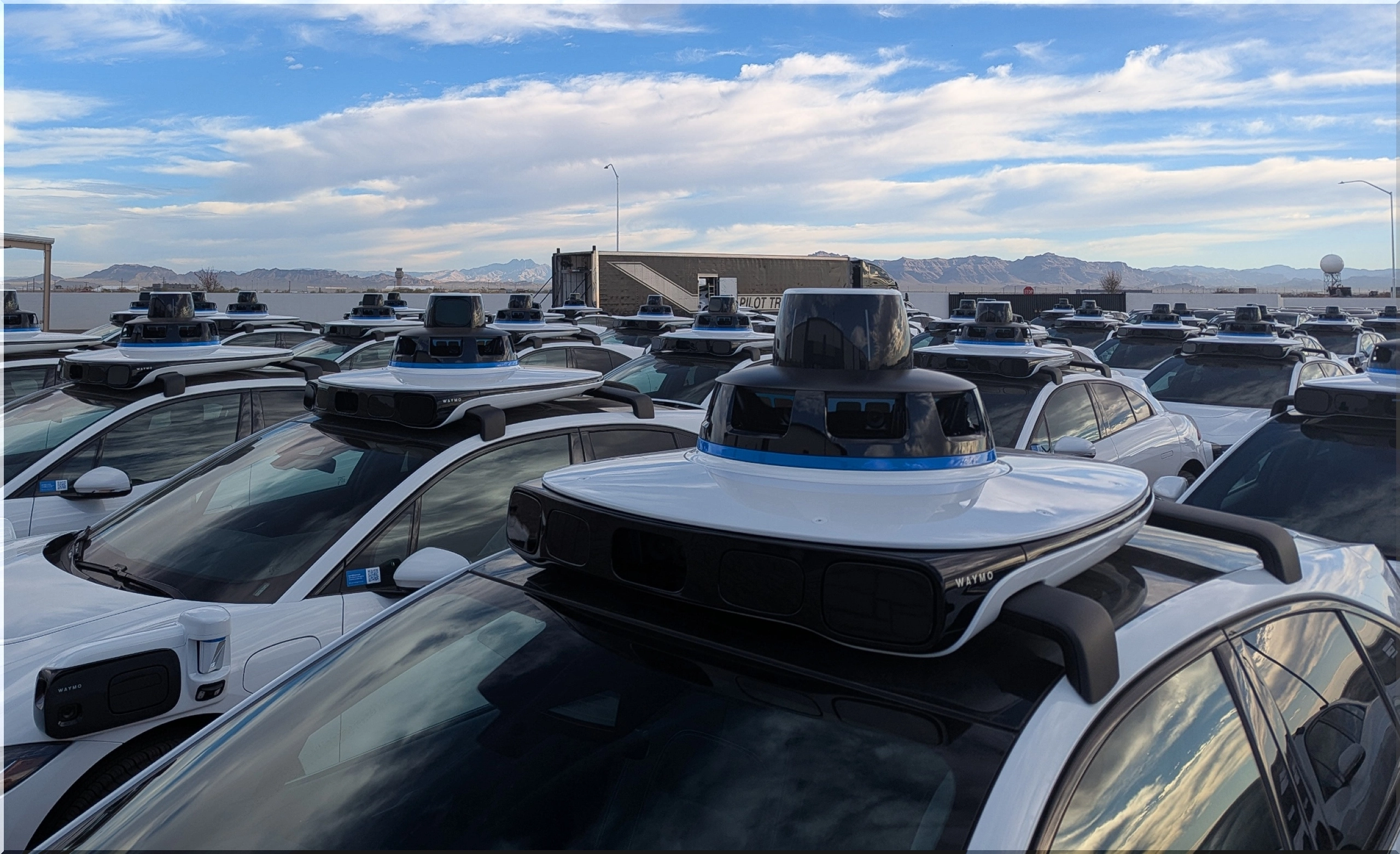
The Toyota and Waymo partnership now has a vehicle, a production plan, and a testing timetable. Your taxi app will need a little patience.
When will Toyota and Waymo start bZ4X robotaxi operations?
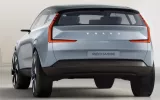
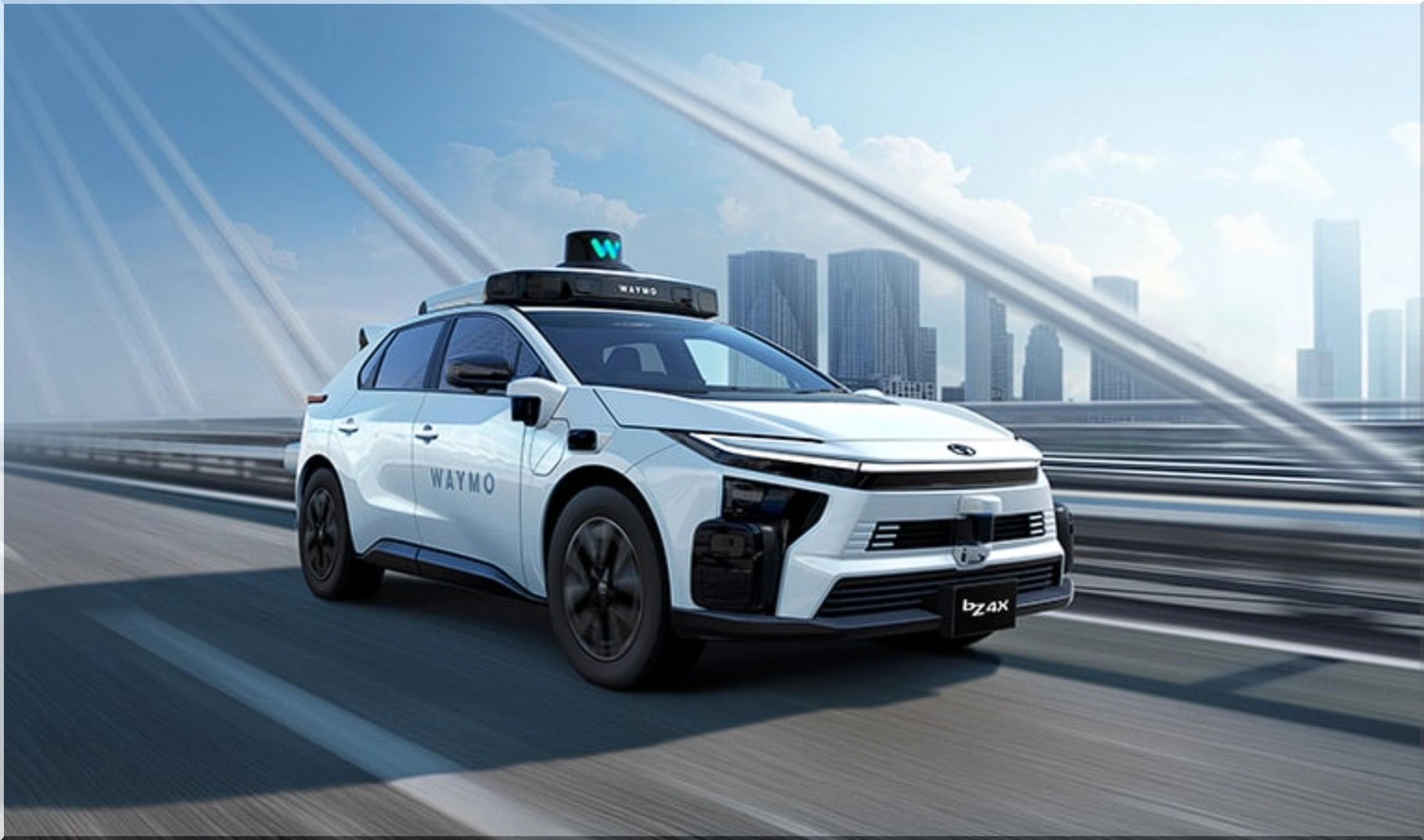
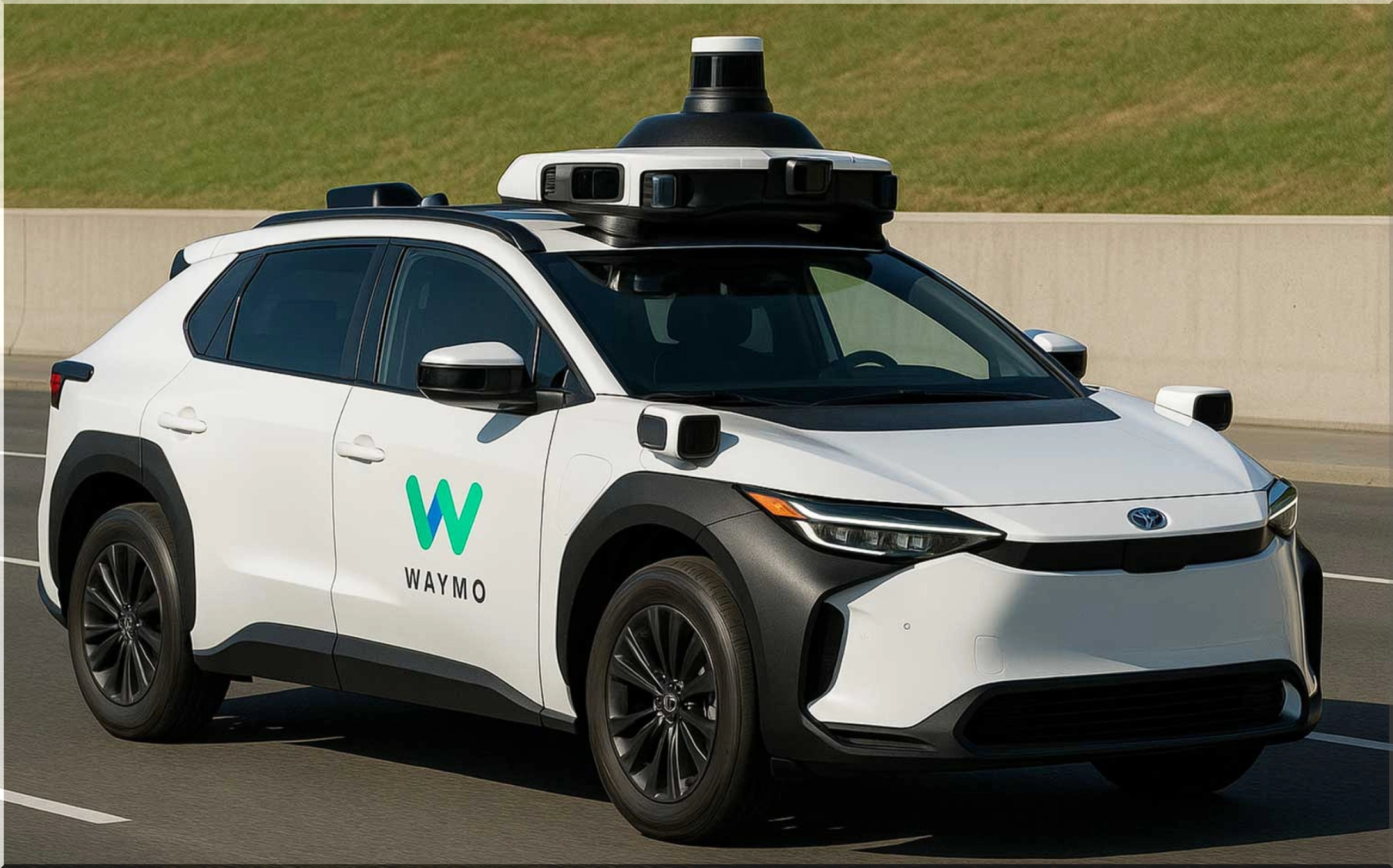
Toyota and Waymo plan to begin testing and validating an autonomous Toyota bZ4X fleet in Japan in 2027. Their October 30, 2026 announcement builds on an April 2025 preliminary agreement. Woven by Toyota says commercial service will follow the initial operations, rather than promising immediate public access.
The companies also plan later deployments in the UK and other markets that Waymo serves. They have not announced exact dates for those bZ4X deployments.
For prospective passengers, the distinction counts: a testing schedule does not give you a booking date.
Why could Toyota's production plan help electric fleets?
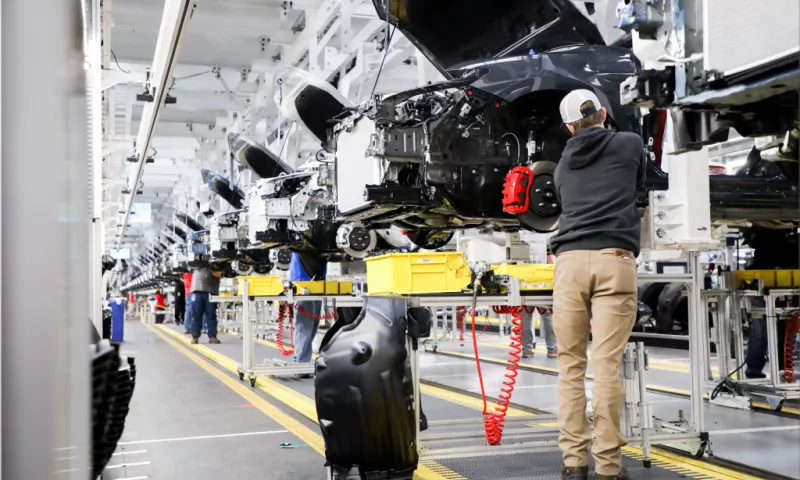
Toyota plans to assemble the vehicles and install Waymo's autonomous driving hardware at its Takaoka plant in Japan. Keeping those steps at one factory could simplify production coordination. That is an operational advantage to watch, although the announcement provides no vehicle costs, fleet size, or measured savings.
The passenger package also includes:
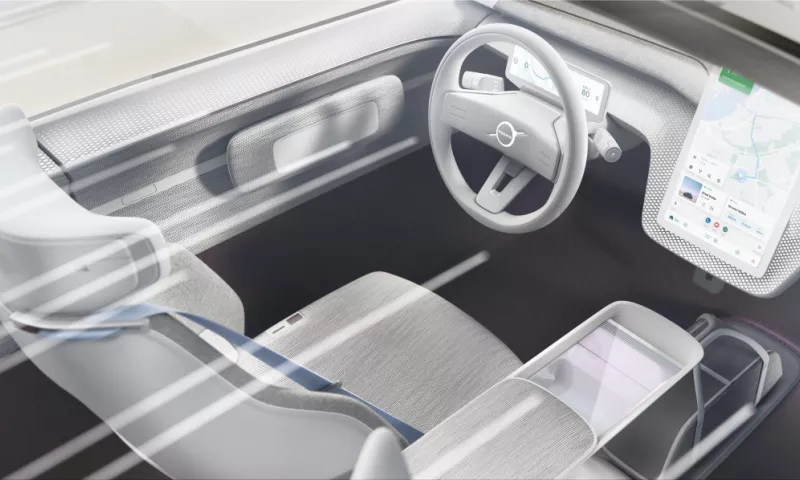
- Automatic doors to reduce the effort of entry and exit.
- A powered liftgate for loading luggage.
- Generous rear legroom for passenger comfort.
Those features could help riders, but automatic doors alone do not establish wheelchair access. Operators still need to explain boarding support and accessible vehicle availability.
How could empty miles change robotaxi energy costs?
Empty driving uses electricity without carrying a paying passenger. For an illustrative fleet scenario, assume a vehicle travels 400 km (249 miles) daily at 20 kWh/100 km, or about 0.32 kWh/mile. If 80 km (50 miles) involve empty driving, the vehicle carries paying passengers for only 320 km (199 miles).
| Illustrative daily metric | Result |
|---|---|
| Total driving distance | 400 km / 249 miles |
| Distance carrying paying passengers | 320 km / 199 miles |
| Driving energy consumption | 80 kWh |
| Energy per 100 paid passenger km | 25 kWh |
That raises energy use per paid kilometer by 25% against the same vehicle carrying paying passengers throughout. These assumptions describe a planning example, not Toyota's robotaxi specifications. Charging losses would add further electricity demand.
Pro-Tip: Ask for energy use per paid passenger mile or kilometer. Vehicle efficiency alone leaves empty driving out of the bill.
What should passengers and fleet buyers check next?
Watch for confirmed service areas, passenger launch dates, accessibility details, and operating costs before making travel or procurement plans. Toyota and Waymo also continue studying autonomous technology for privately owned vehicles, but this announcement offers no retail launch date. A robotaxi partnership does not put driverless capability on your dealership order sheet.
For fleet buyers, request three figures before discussing returns:
- Paid passenger distance as a share of total distance.
- Daily charging and maintenance downtime.
- Total operating cost per paid mile or kilometer.
Start with those numbers. The empty driver's seat can wait for its photo.
- 1 view