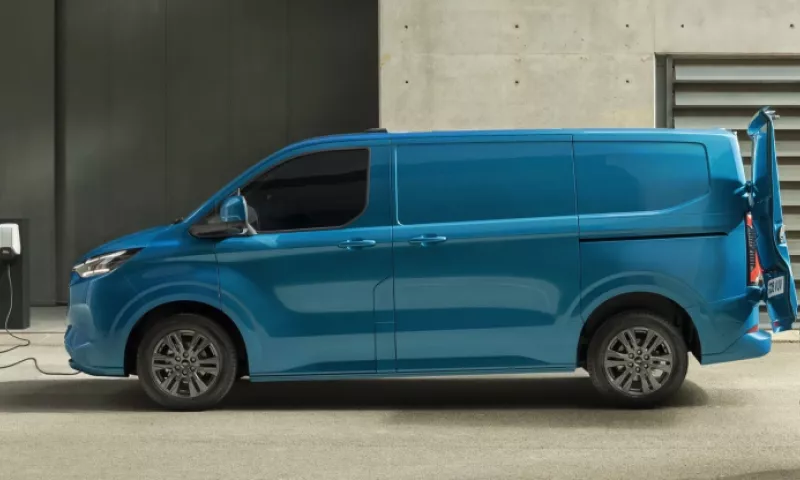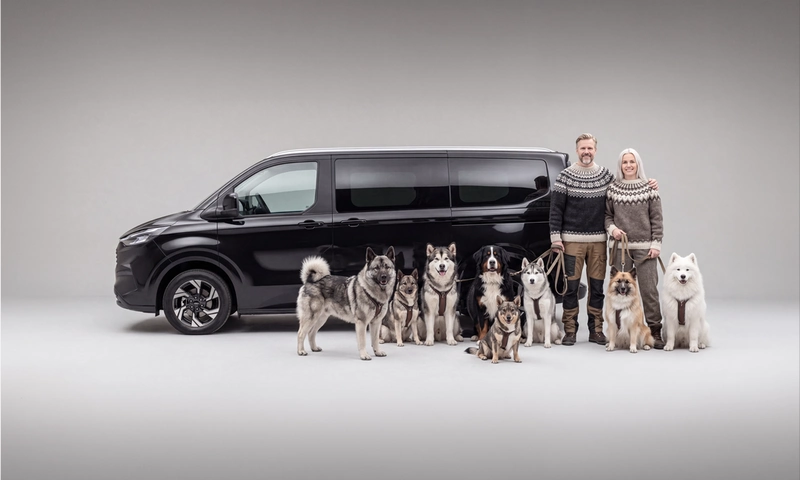
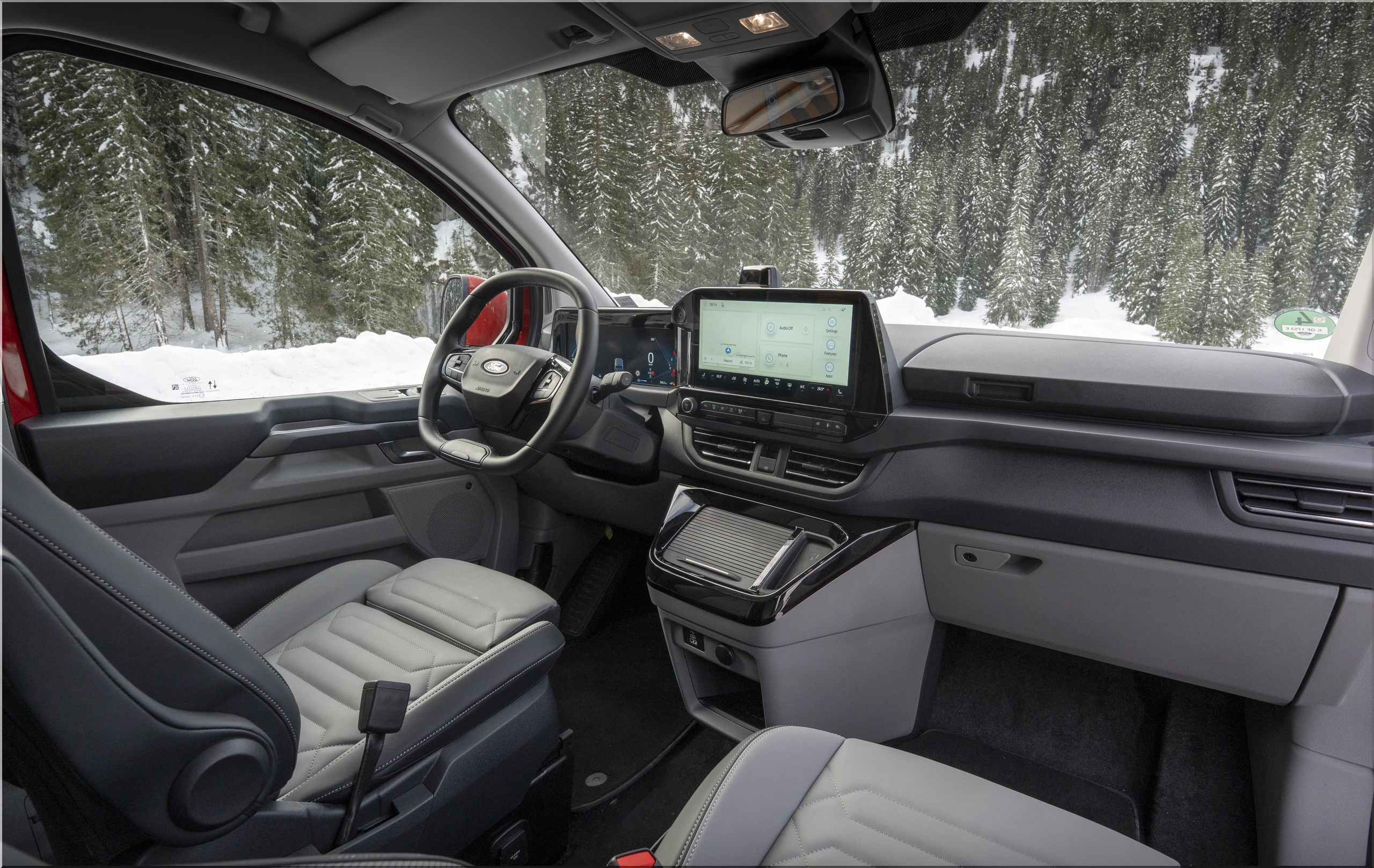
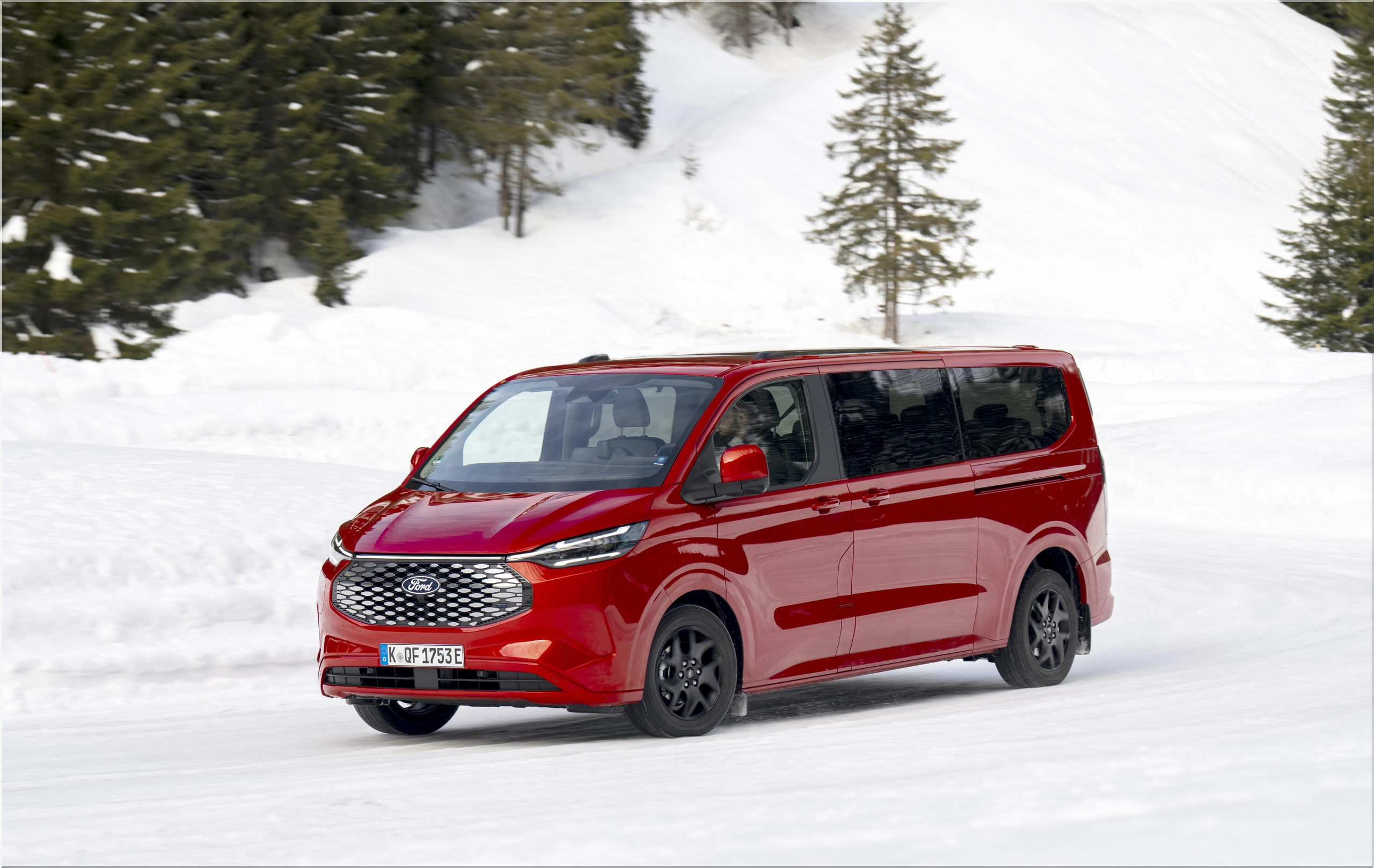
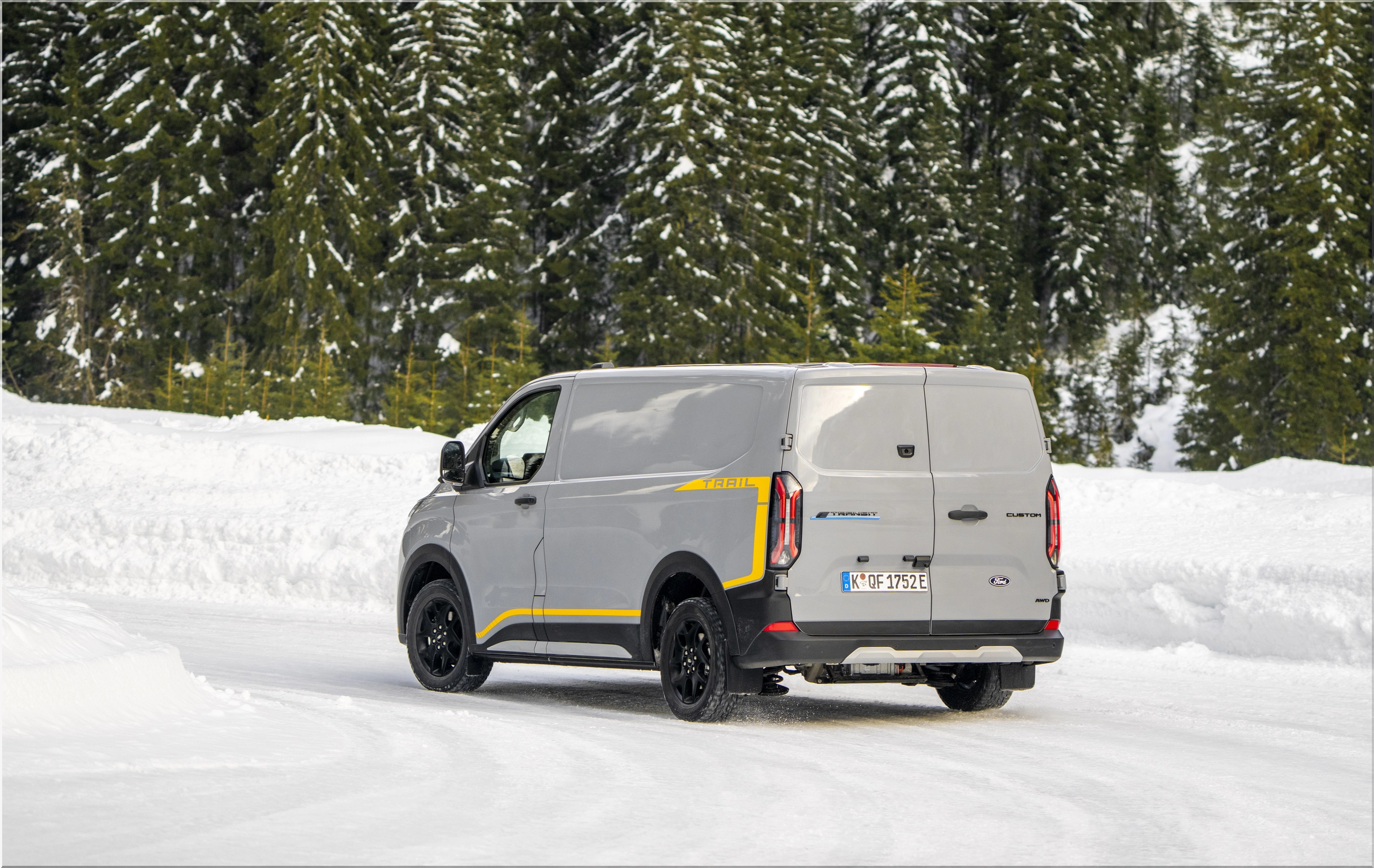
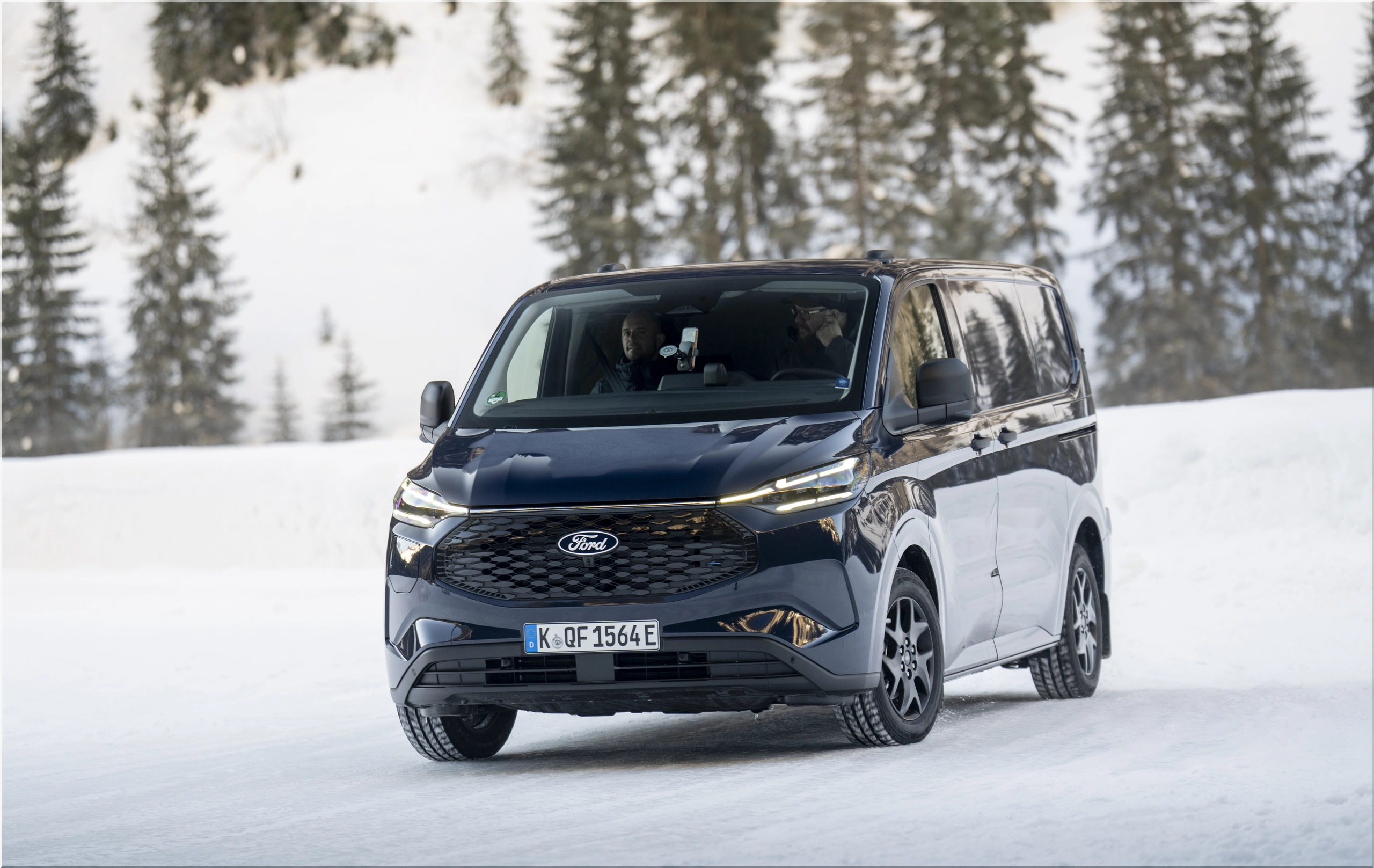
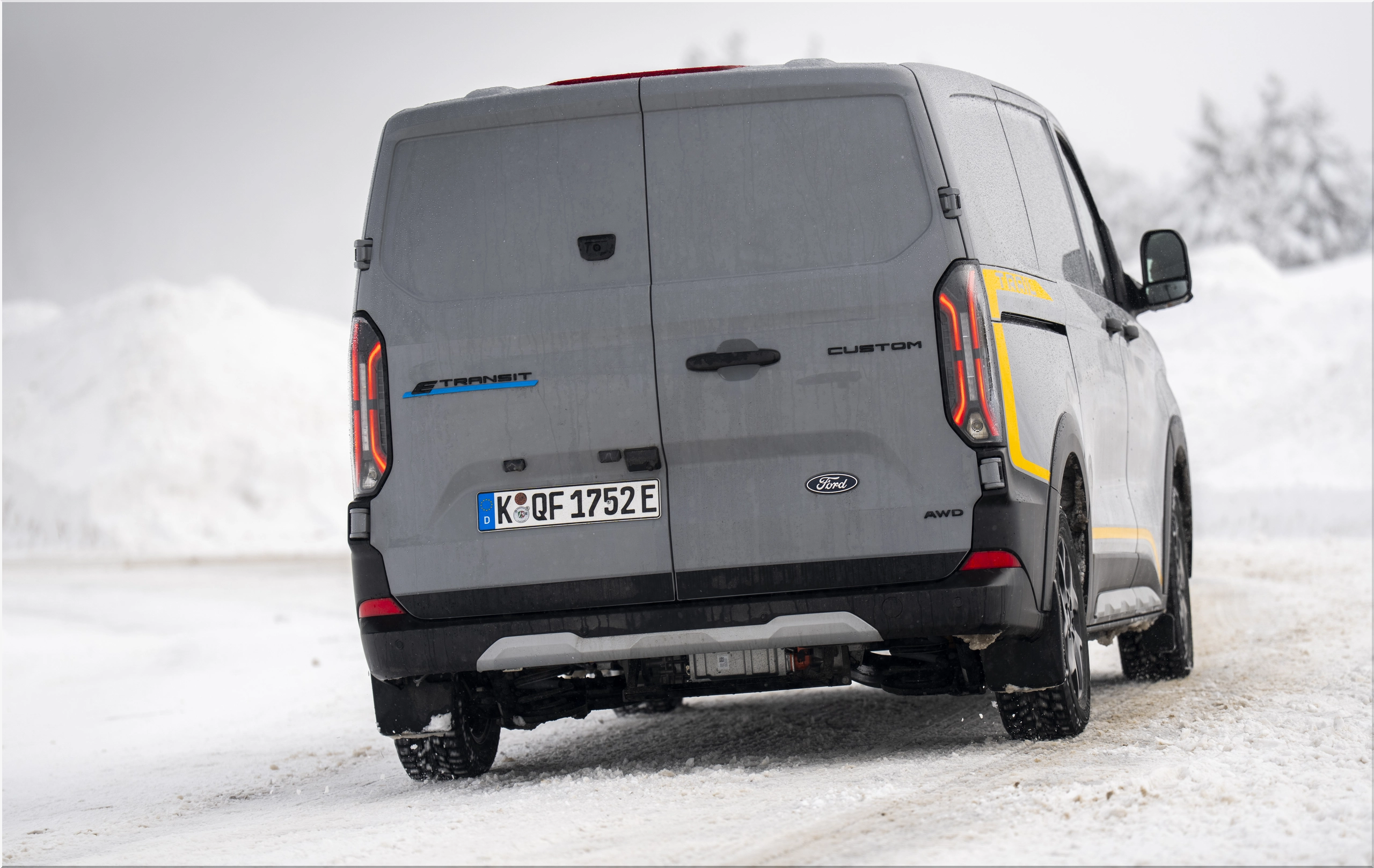
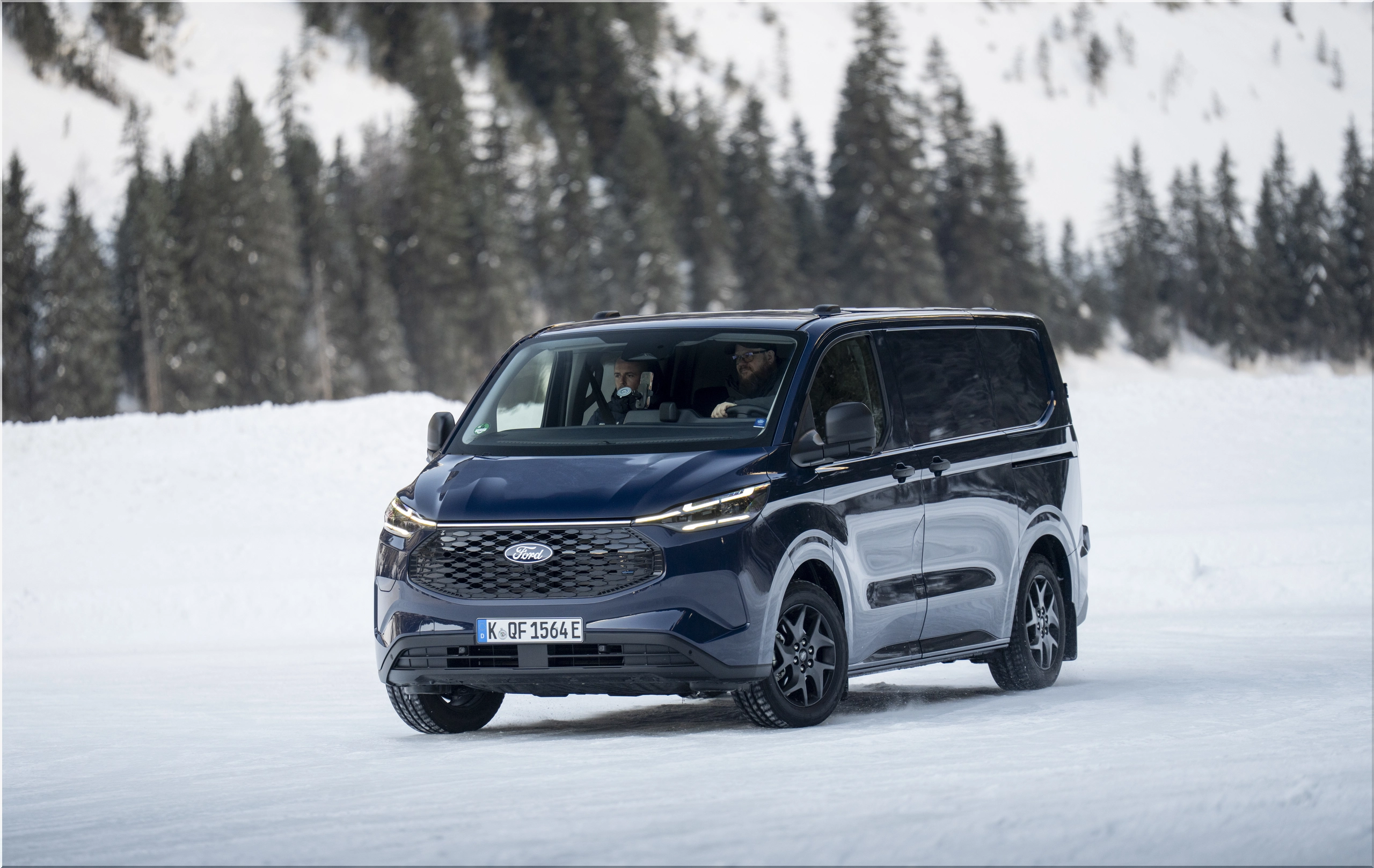
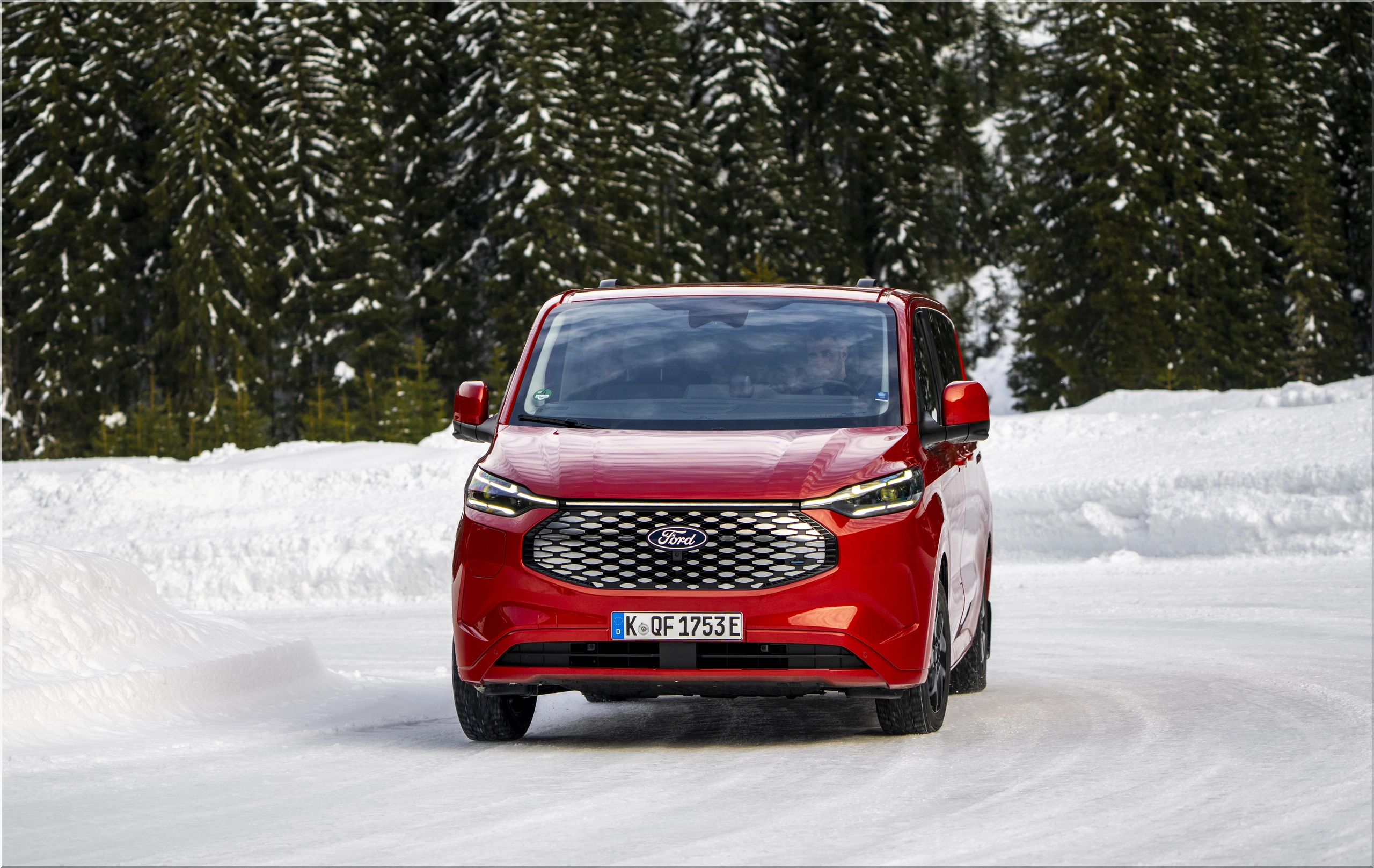
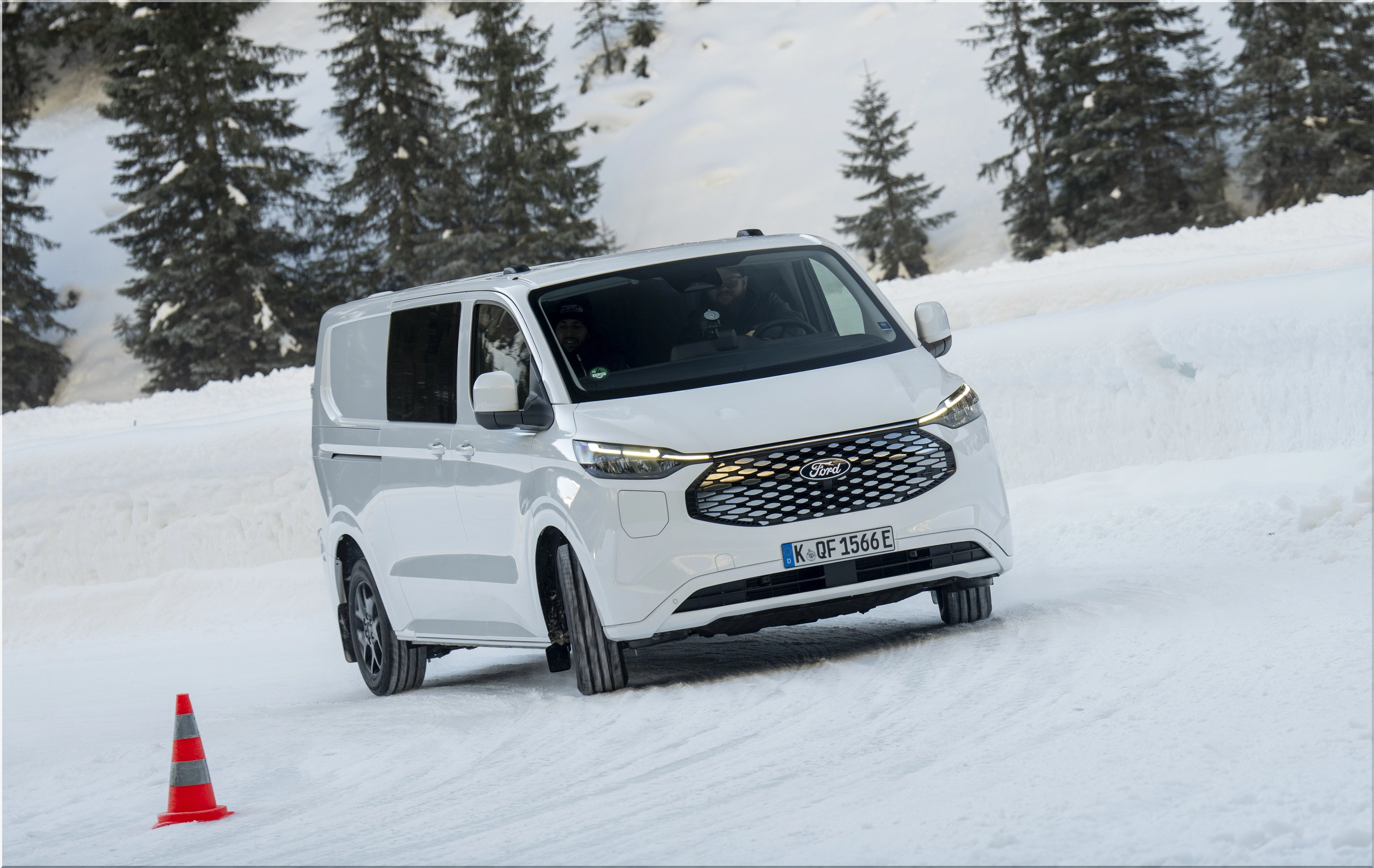
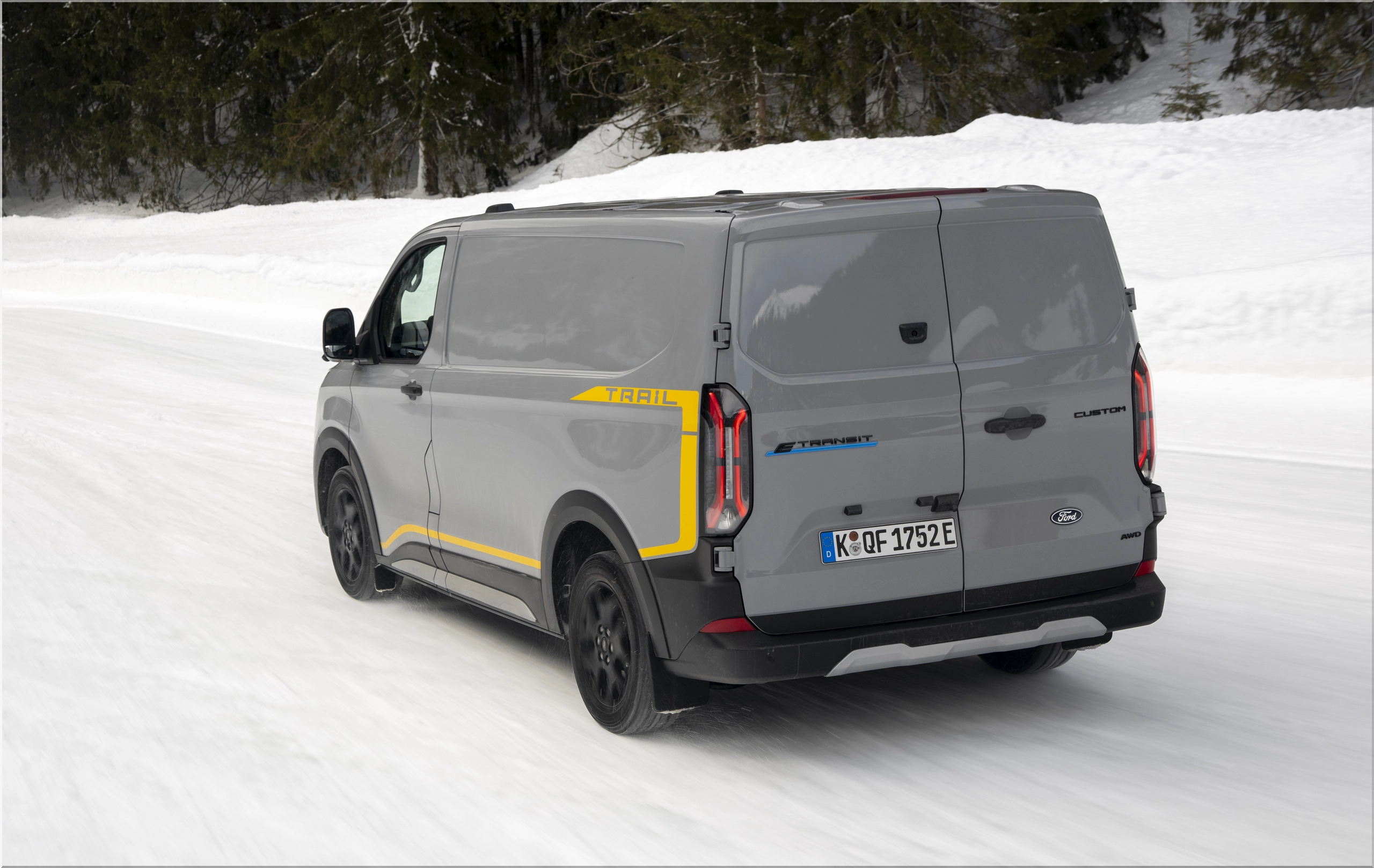
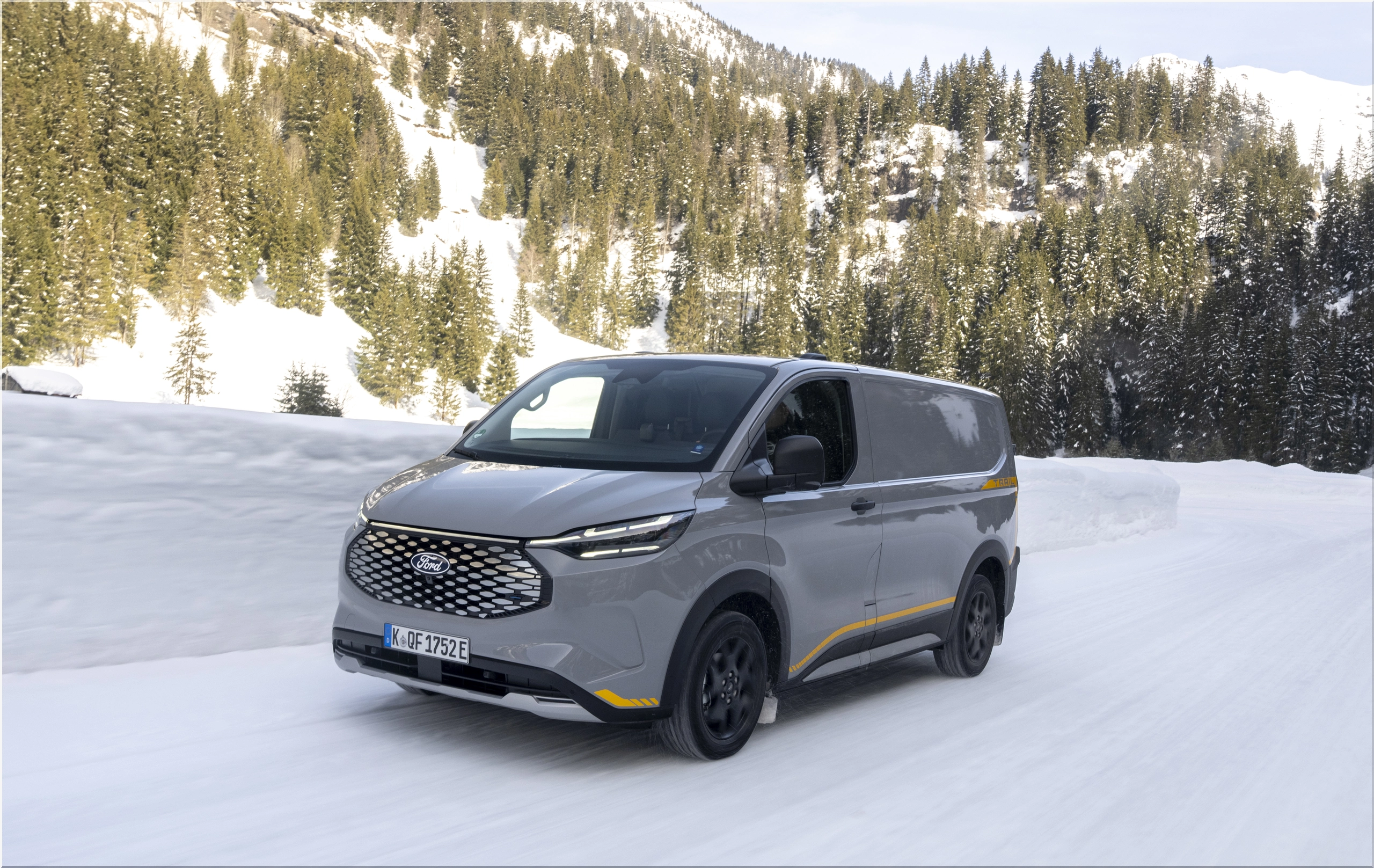
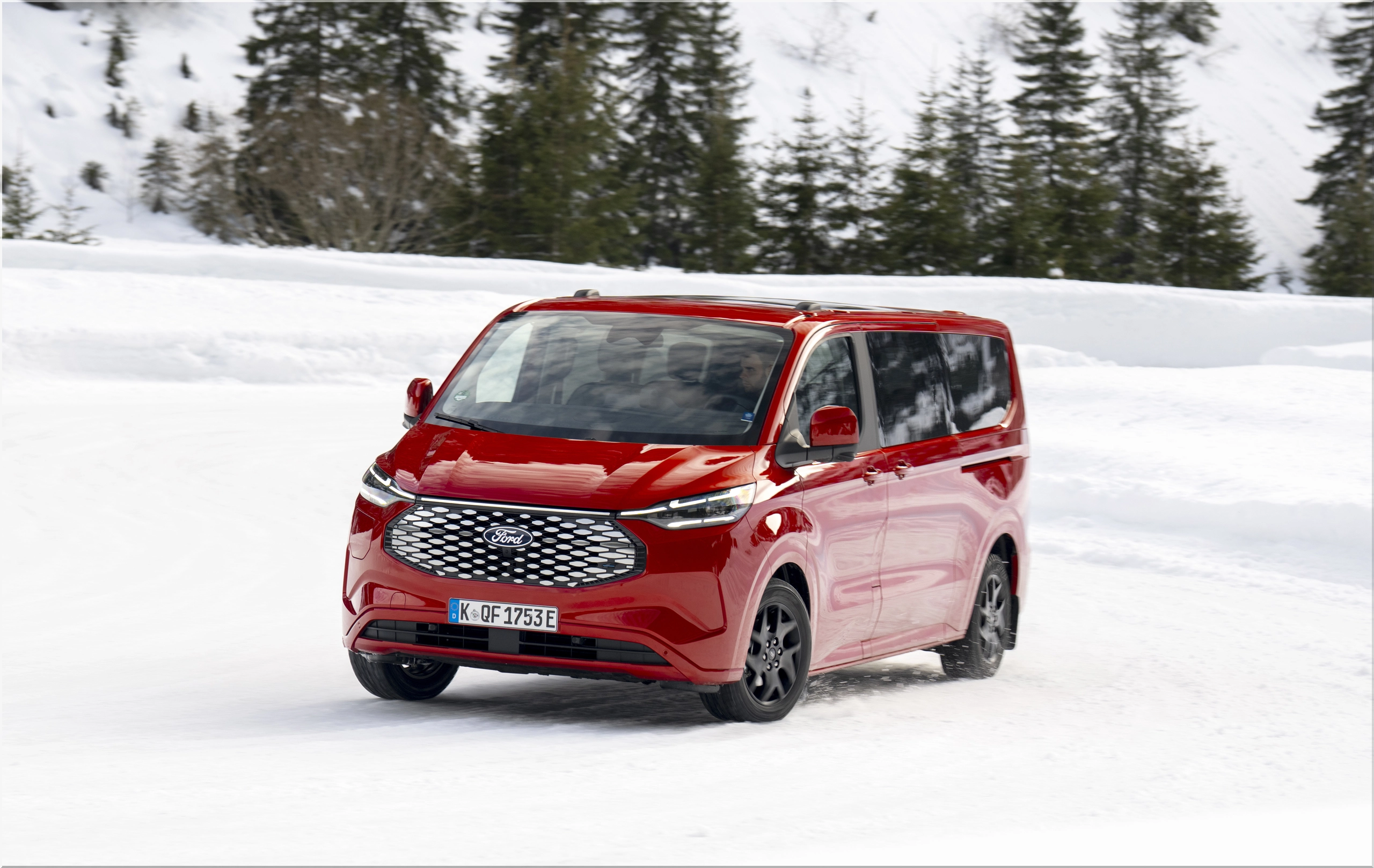
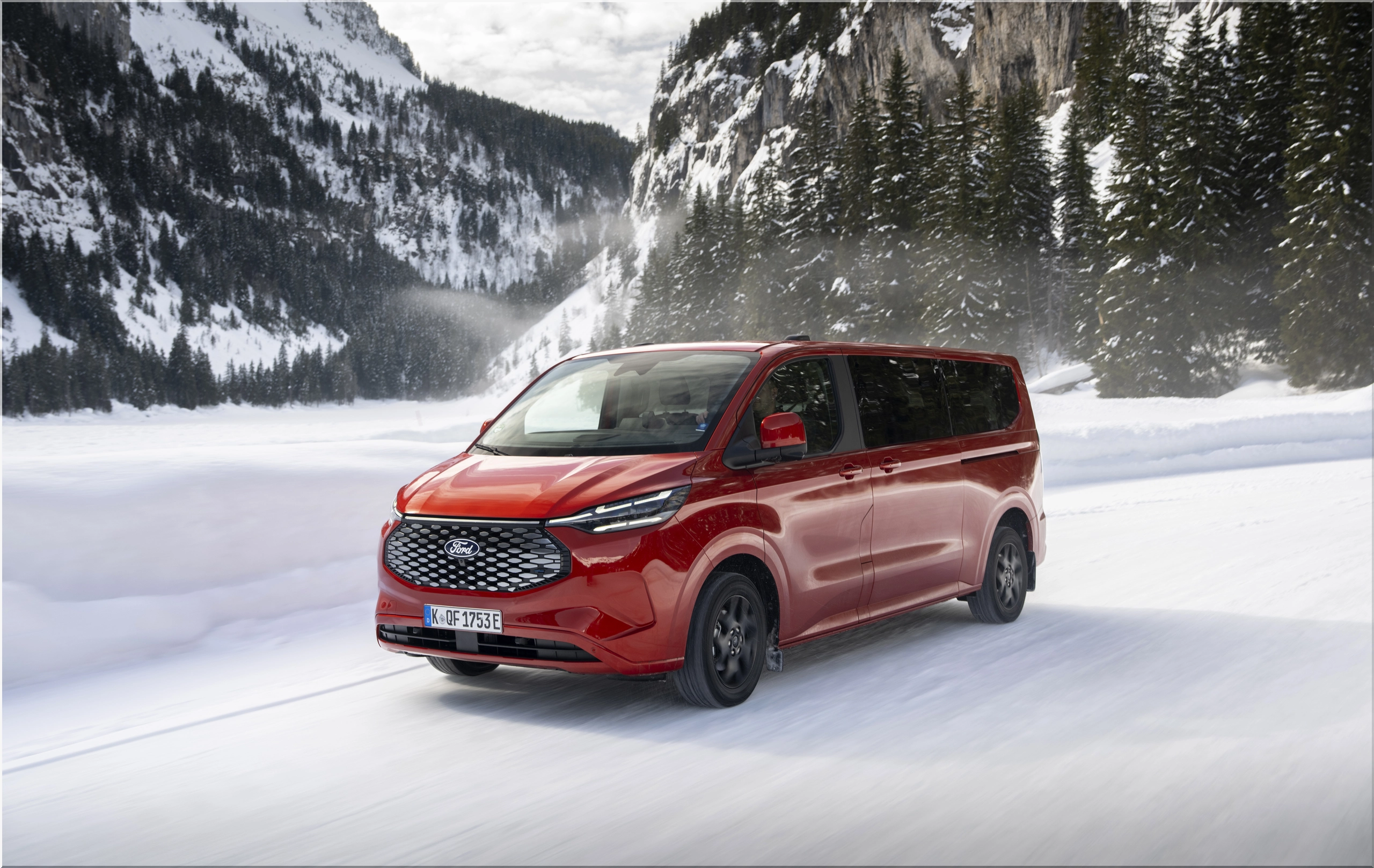
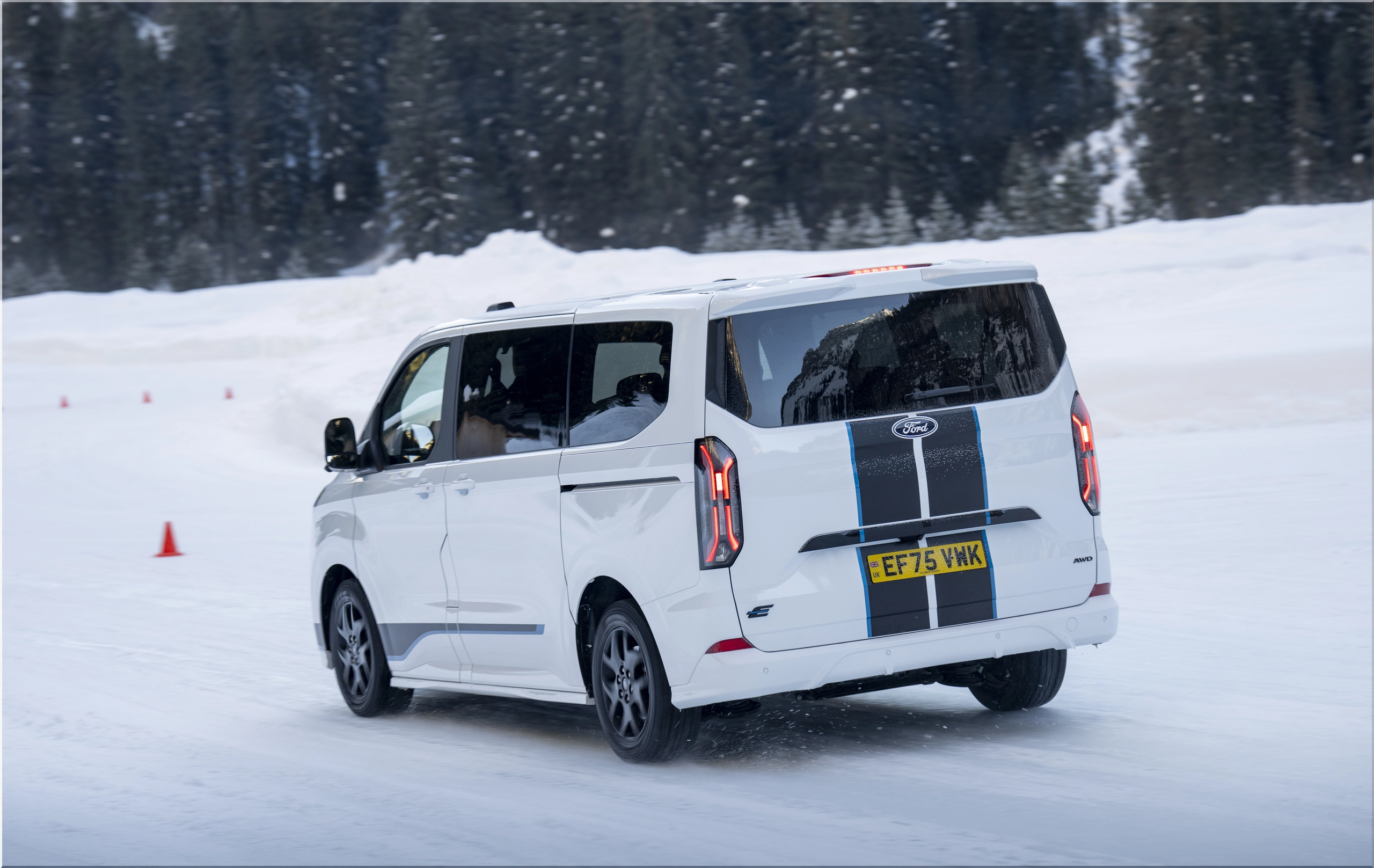
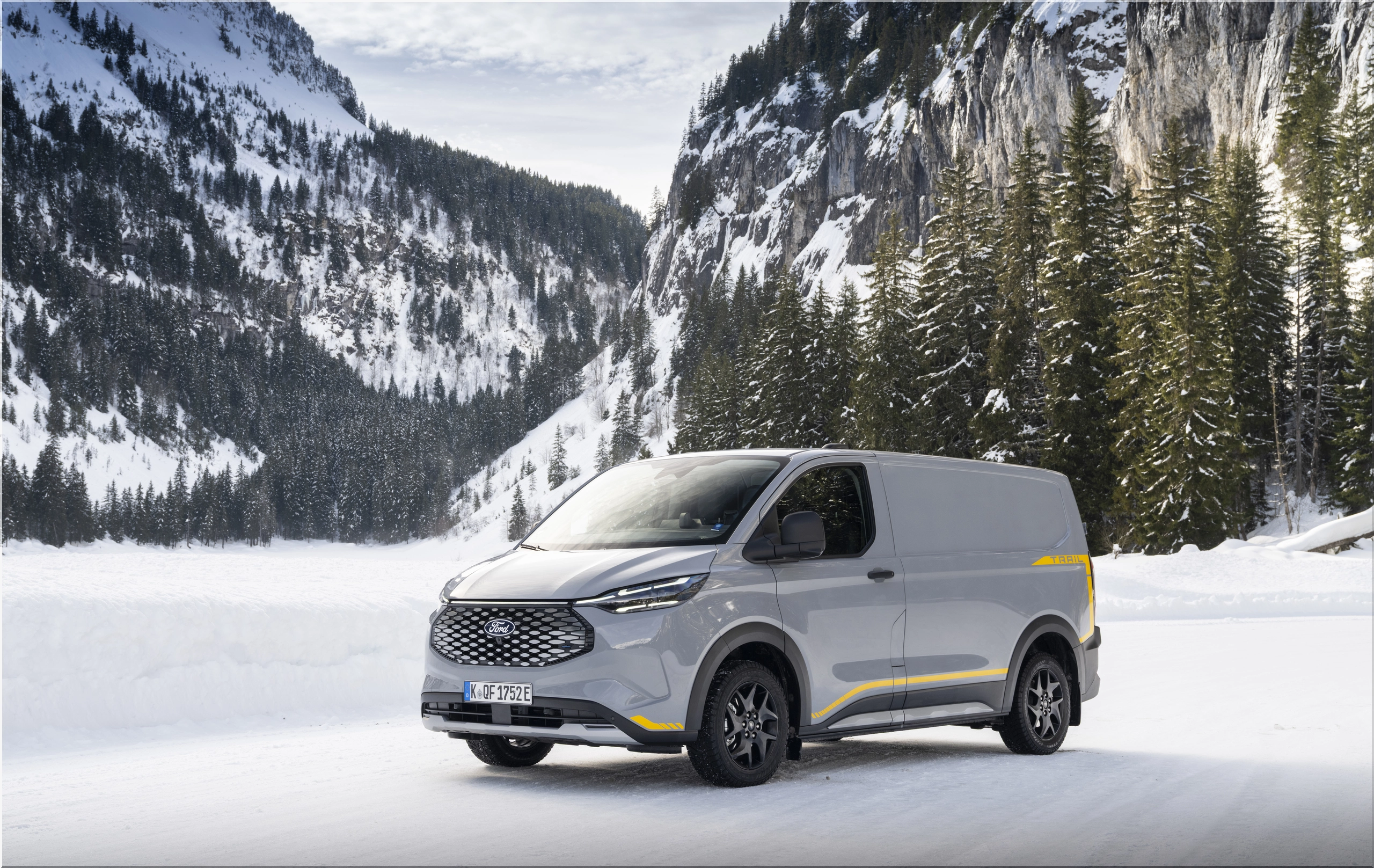
If you enjoy the aesthetic of a commercial van spinning its rear wheels helplessly in a light dusting of frost while your delivery schedule disintegrates, look elsewhere. The 2026 Ford E-Transit Custom AWD arrived with a clear directive: replace the mechanical limitations of traditional all-wheel-drive systems with high-speed digital logic. By ditching the heavy drive shafts and complex differentials that define internal combustion vans, Ford created an electric van that manages traction with the clinical precision of a computer server. This vehicle is designed for operators who view a sudden blizzard or a muddy construction site as a technical variable to be solved rather than a reason to stay home.
Eliminating Mechanical Friction with Independent Axle Control
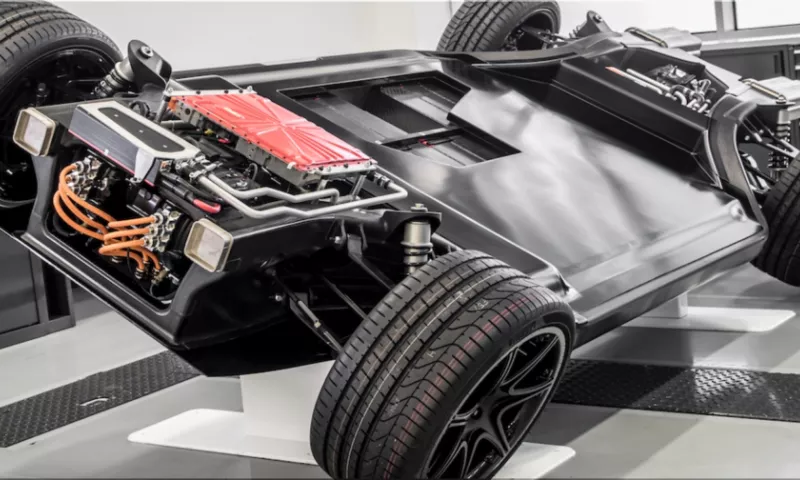
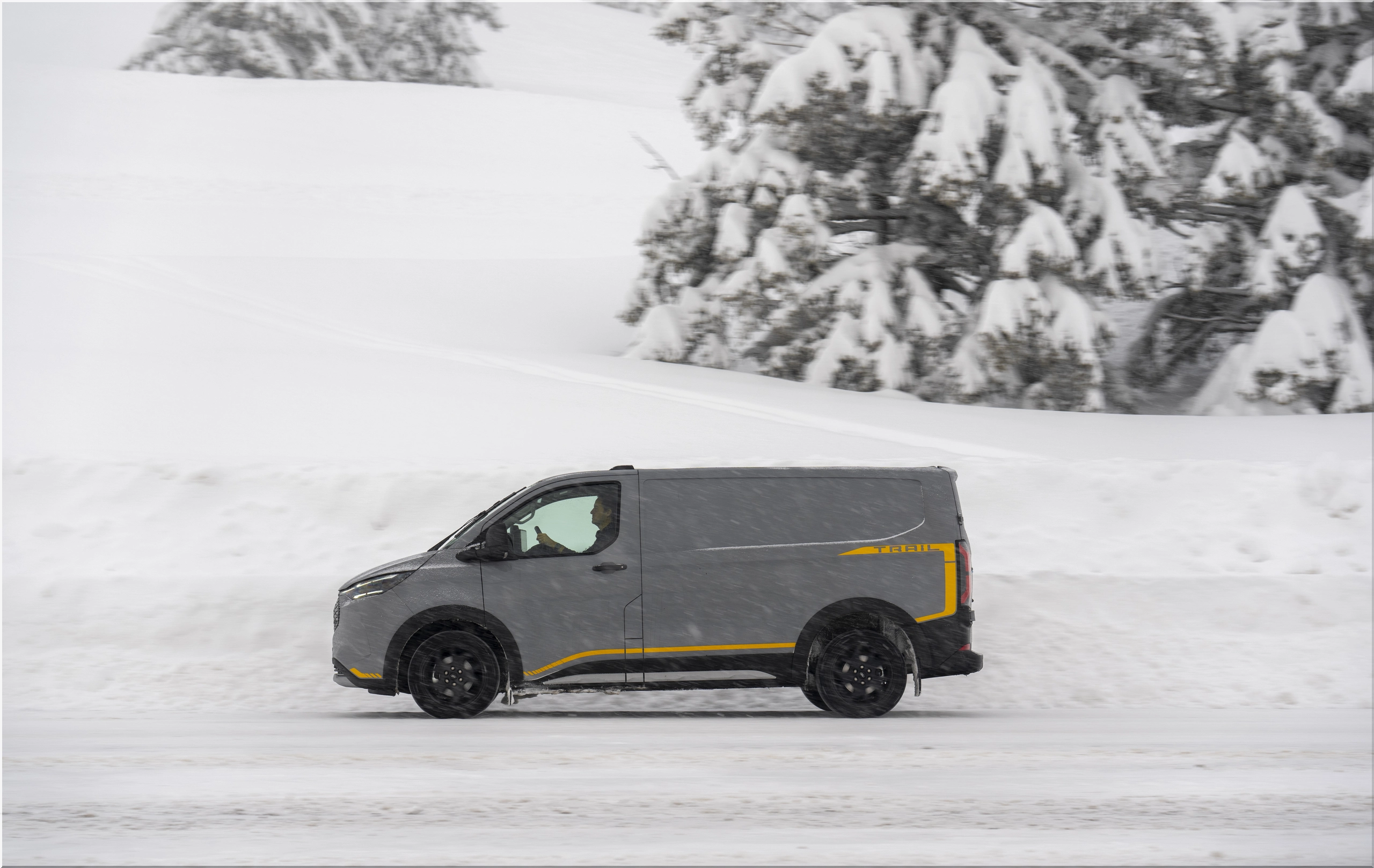
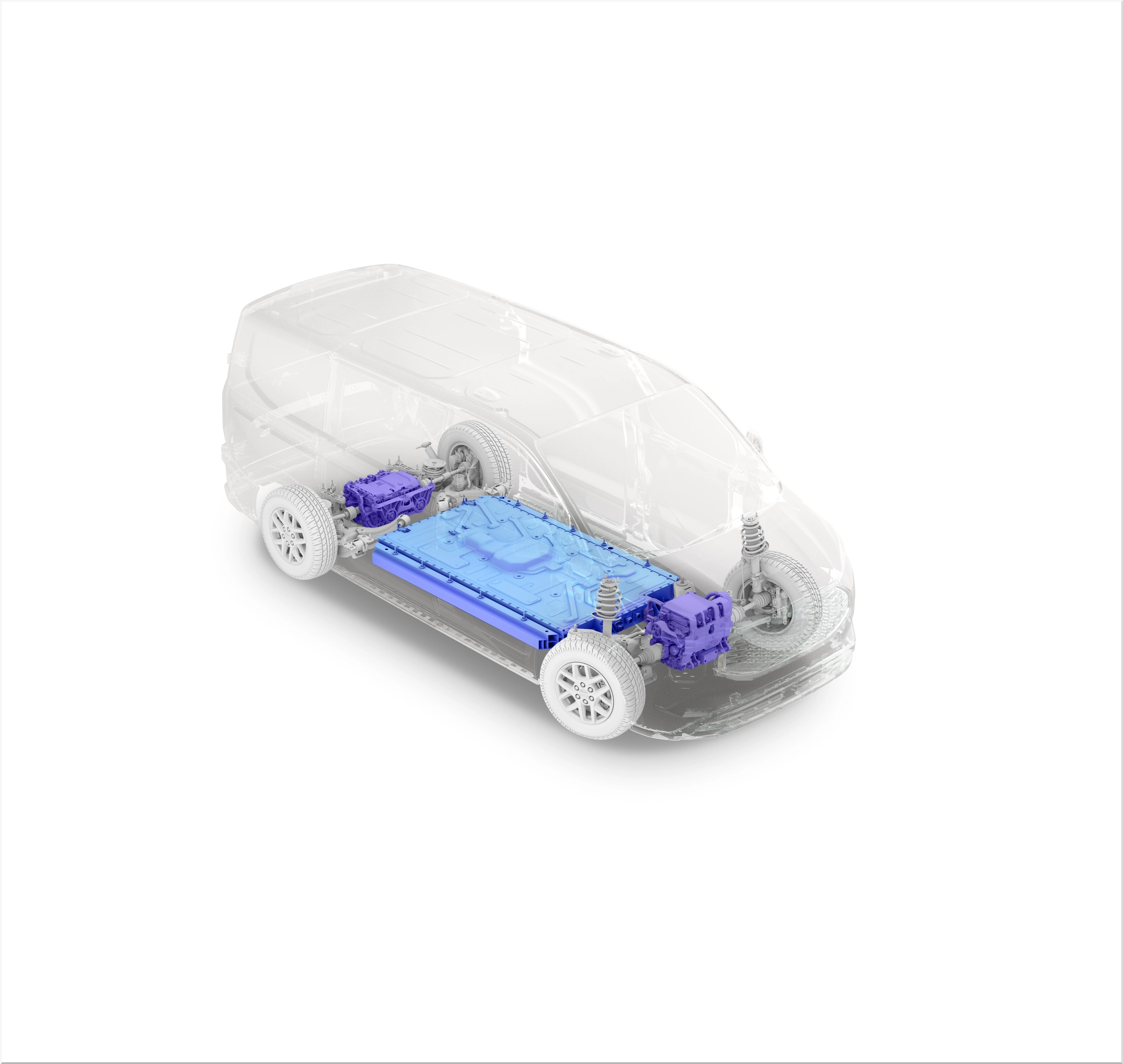
The defining characteristic of the latest E-Transit Custom is the addition of a dedicated electric motor mounted directly to the front axle. Traditional four-wheel-drive systems rely on physical linkages to force power from the front to the back, which inevitably introduces friction losses and adds significant weight. By comparison, the dual-motor architecture uses two independent power units that communicate via a high-speed data bus. This configuration allows the vehicle to distribute up to 465 lb-ft of torque (630 Nm) across all four wheels without the lag associated with a mechanical transfer case.
Specifically, the system prioritizes efficiency by operating primarily as a rear-wheel-drive vehicle under normal cruising conditions. When the onboard sensors detect a shift in surface grip, the front motor engages instantly. This transition is invisible to the driver but critical for maintaining momentum on unstable terrain. Because the motors are decoupled, the computer can send exactly the right amount of rotational force to the front wheels to counteract a slide before it even begins.
Precision Traction Management: The 50-Hertz Logic System
The effectiveness of any all-wheel-drive system depends on the speed of its data processing. In the 2026 E-Transit Custom AWD, the software monitors wheel slip at a rate of 50 times per second. This 50 Hz sampling frequency means the traction control system evaluates the road surface every 20 milliseconds. Consequently, the van detects a loss of grip on ice or gravel significantly faster than a human driver can react.
From an expert perspective, this high-frequency monitoring allows for a more aggressive torque distribution strategy. If the left side of the van sits on wet pavement while the right side is submerged in mud, the computer applies micro-braking to the slipping wheels while directing maximum torque to the tires with a higher coefficient of friction. This is not just a safety feature; it is a tool for professional uptime.
Dynamic Surface Response and Specialized Drive Modes
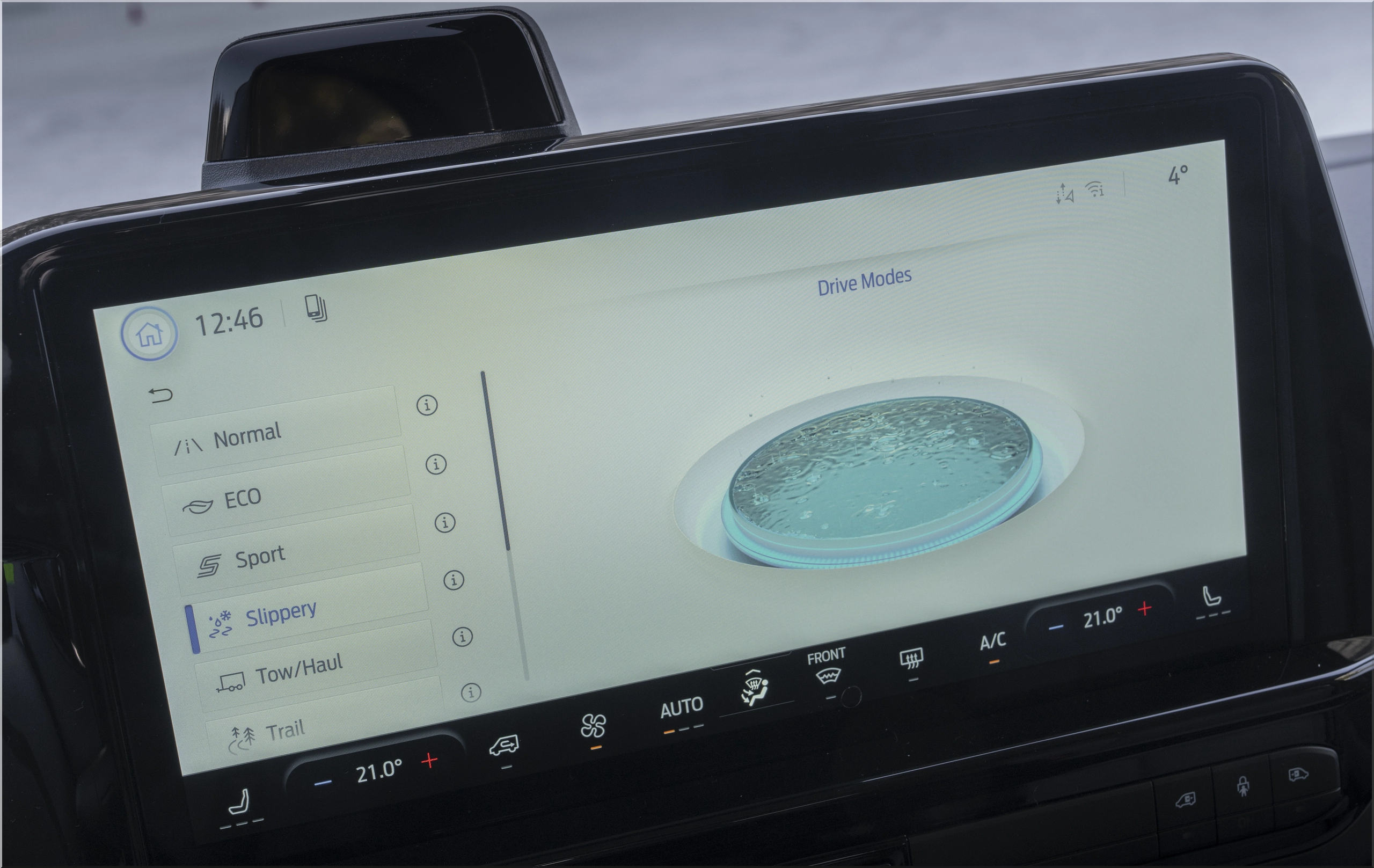
Ford engineers spent thousands of hours calibrating the software to handle varying environmental conditions. The result is a suite of specialized drive modes that modify the dual-motor drivetrain behavior:
- Slippery Mode: This setting is the digital equivalent of a steady hand. It prioritizes stability by minimizing wheel spin on icy or wet tarmac. It uses conservative throttle mapping to ensure the van moves off the line without breaking traction.
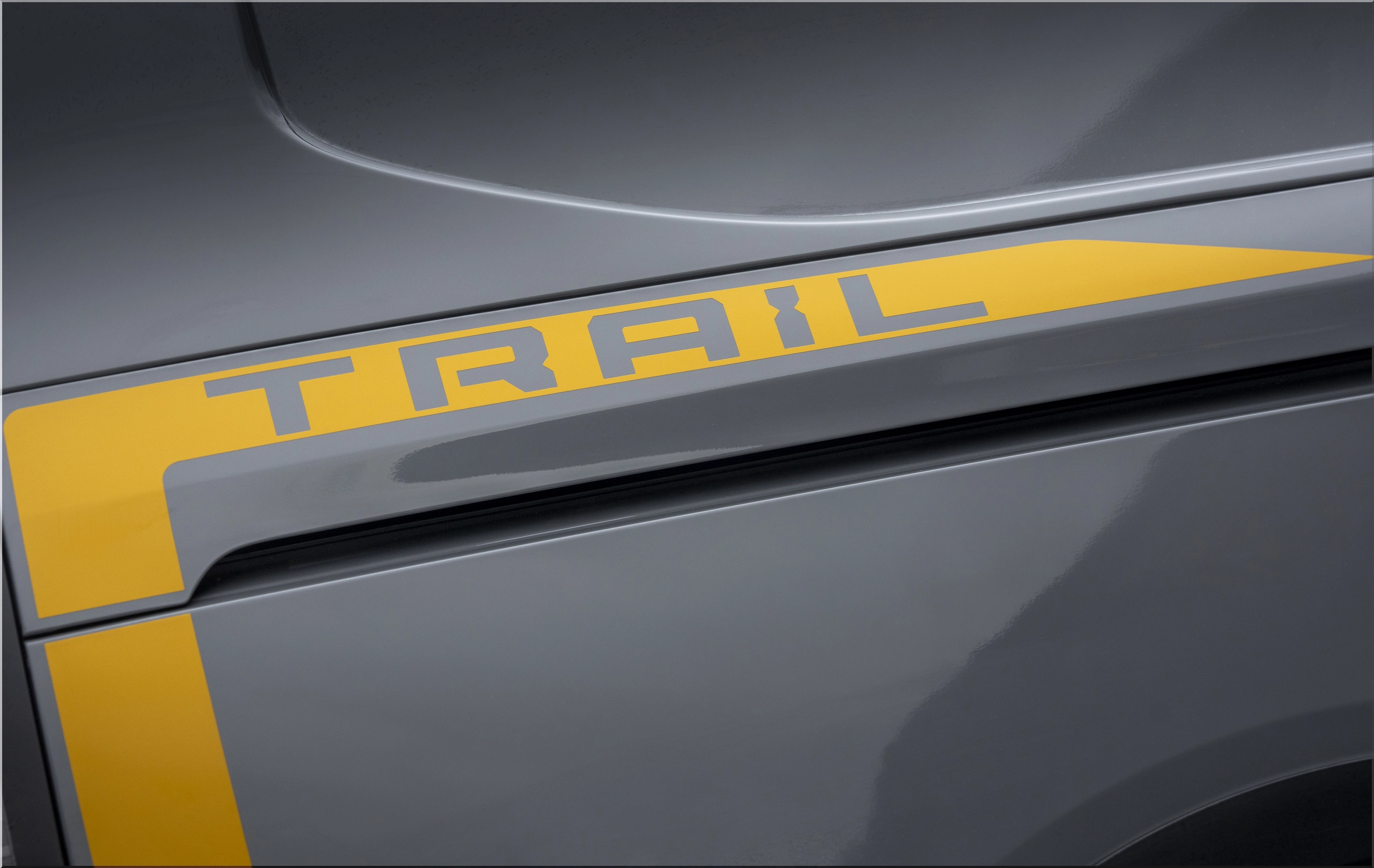
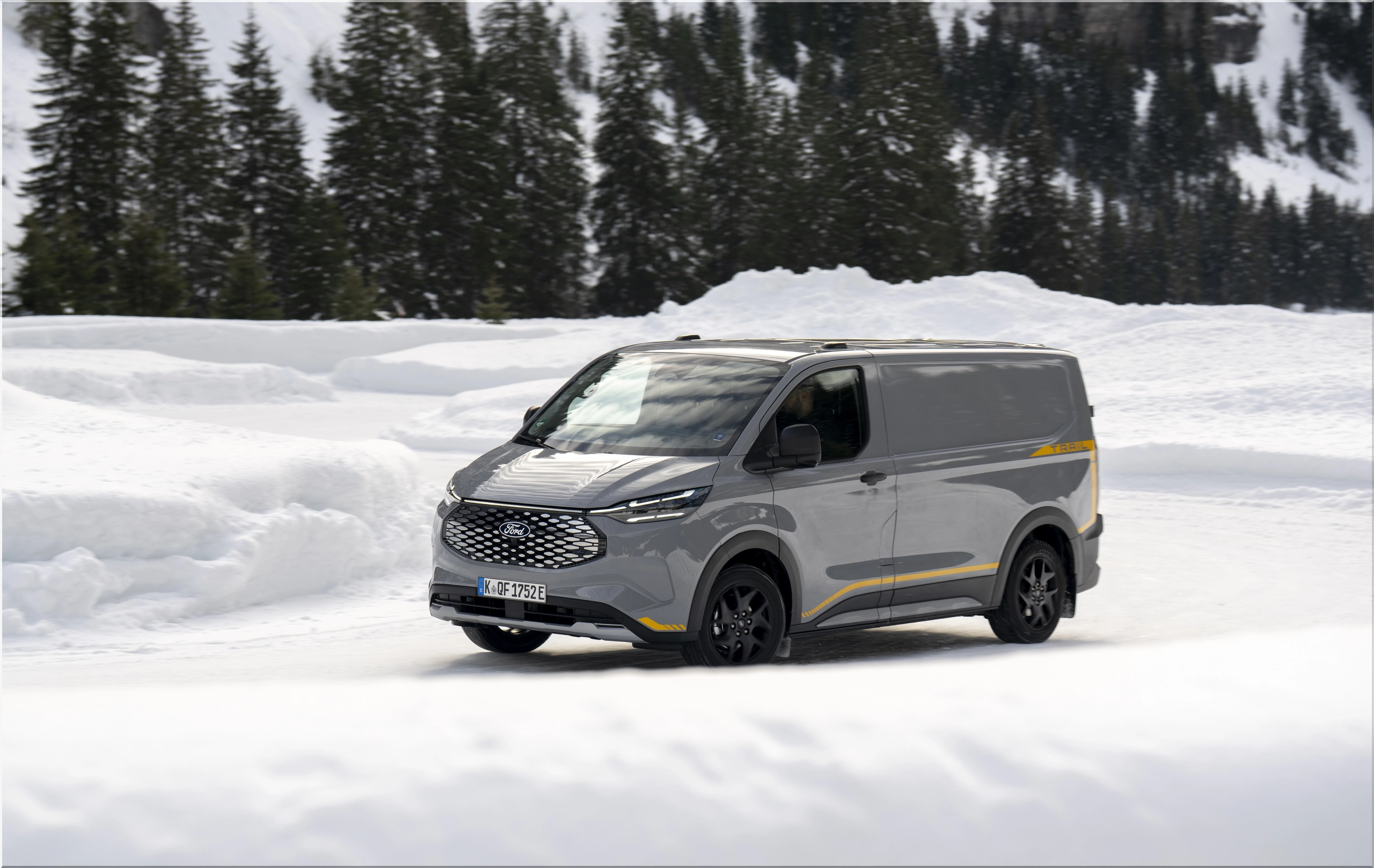
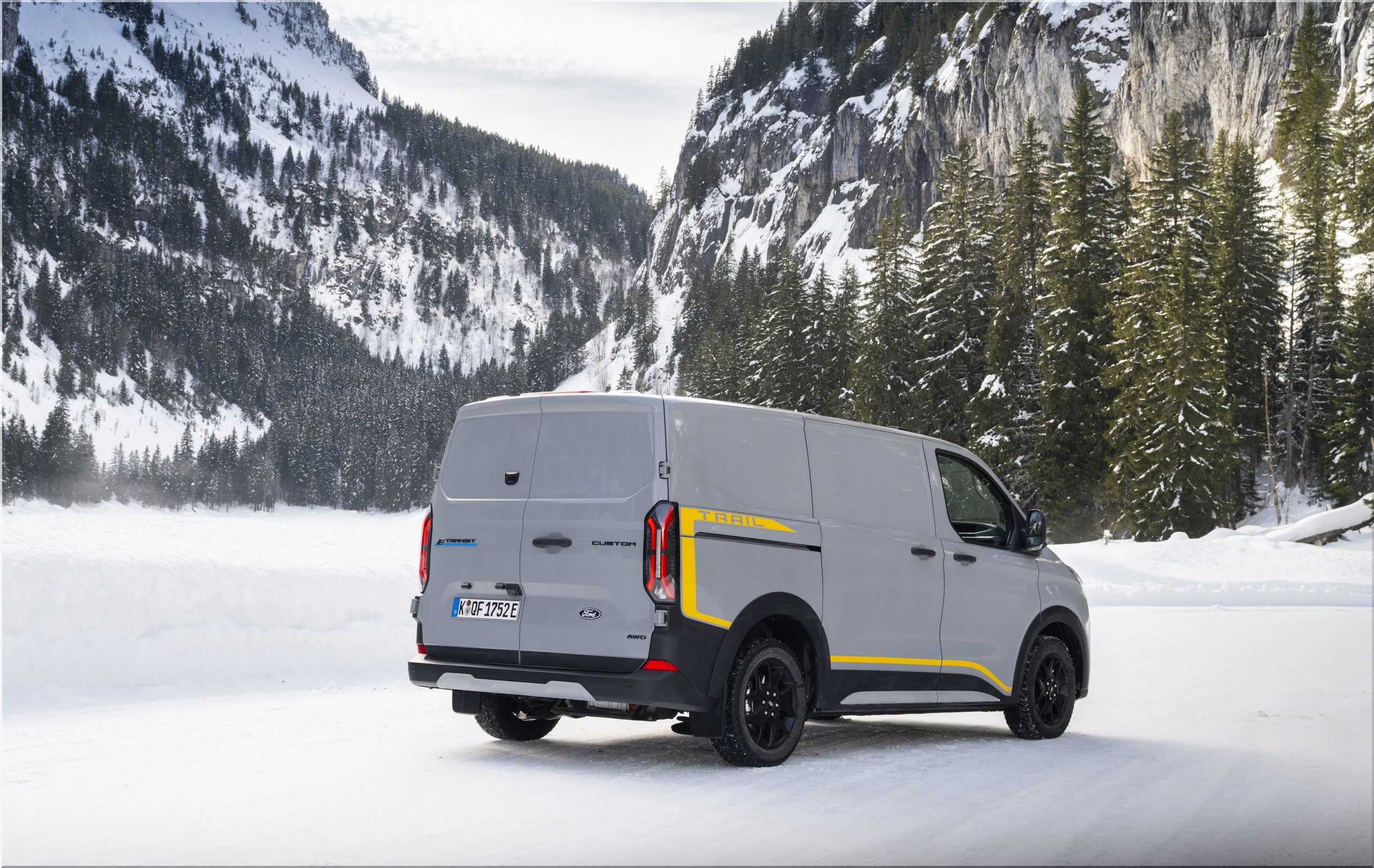
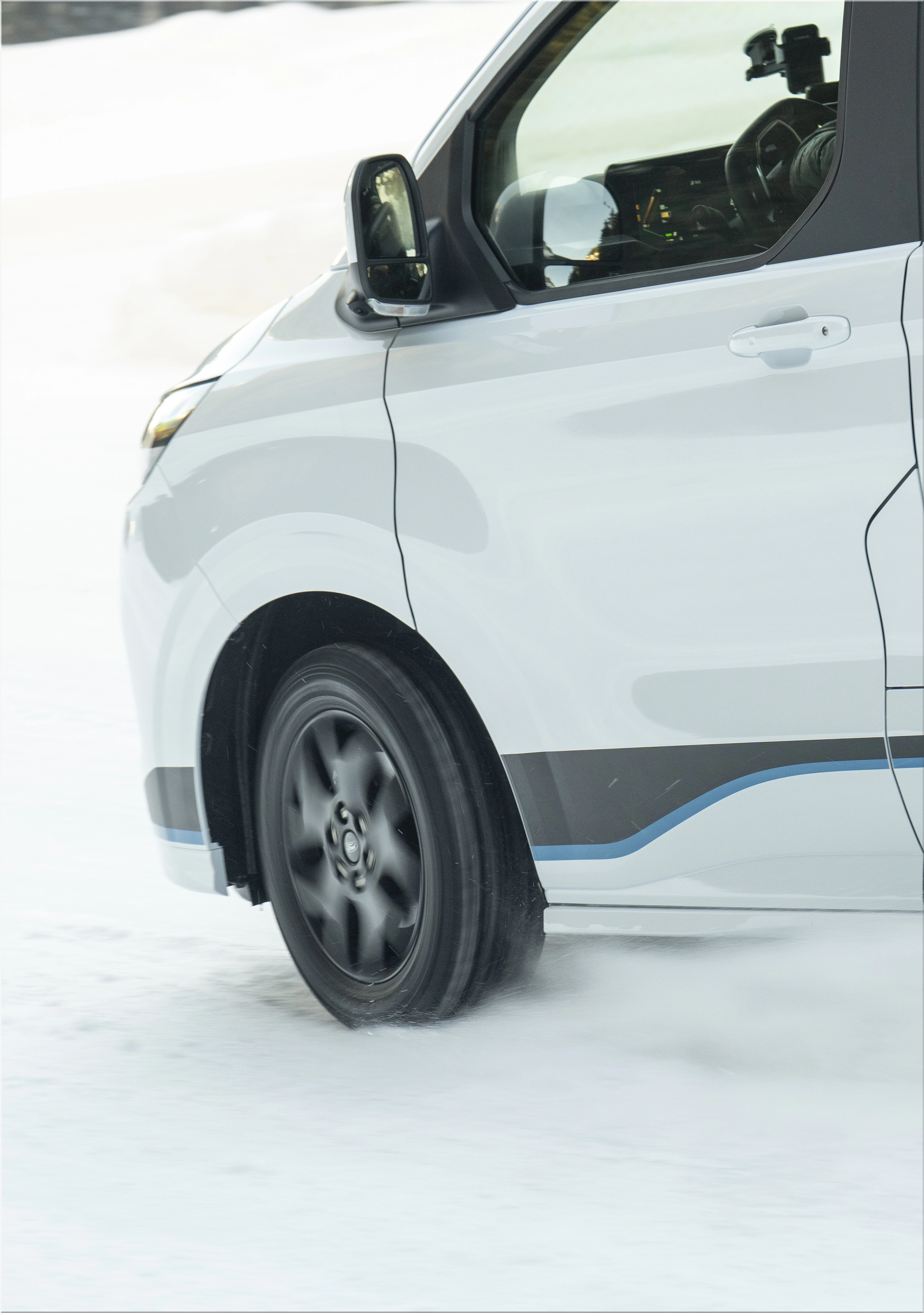
- Trail Mode: Designed for loose surfaces like deep snow, sand, or gravel, this mode allows for a controlled amount of wheel spin. Looking at the data, maintaining momentum on soft ground often requires the tires to spin slightly to clear the treads and find firmer ground beneath the surface.
- Regenerative Braking Logic: With two motors available to act as generators, the AWD model recaptures up to 50% more kinetic energy during deceleration than the single-motor version. This energy flows directly back into the battery, effectively extending the operational range during dense urban delivery cycles.
Battery Architecture: Optimizing Energy Density for Cold Climates
Commercial EV adoption often stumbles on two points: range anxiety and cold-weather performance. Ford addressed these concerns by increasing the net battery capacity from 64 kWh to 71 kWh. While the AWD hardware adds weight, the increased energy density ensures the van remains competitive in long-distance logistics. The 2026 Ford E-Transit Custom AWD achieves a driving range of up to 211 miles (340 km). By comparison, the lighter rear-wheel-drive variant offers 230 miles (370 km), a trade-off many operators will accept for the added security of all-weather traction.
Standard Heat Pump Technology and Thermal Management
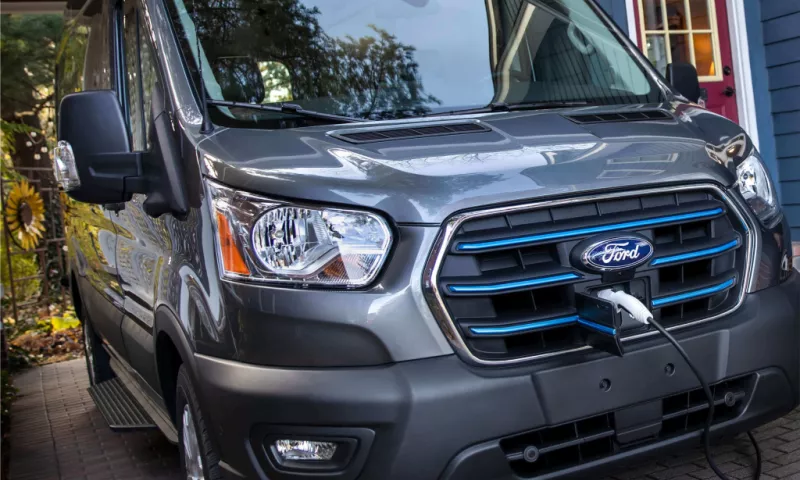
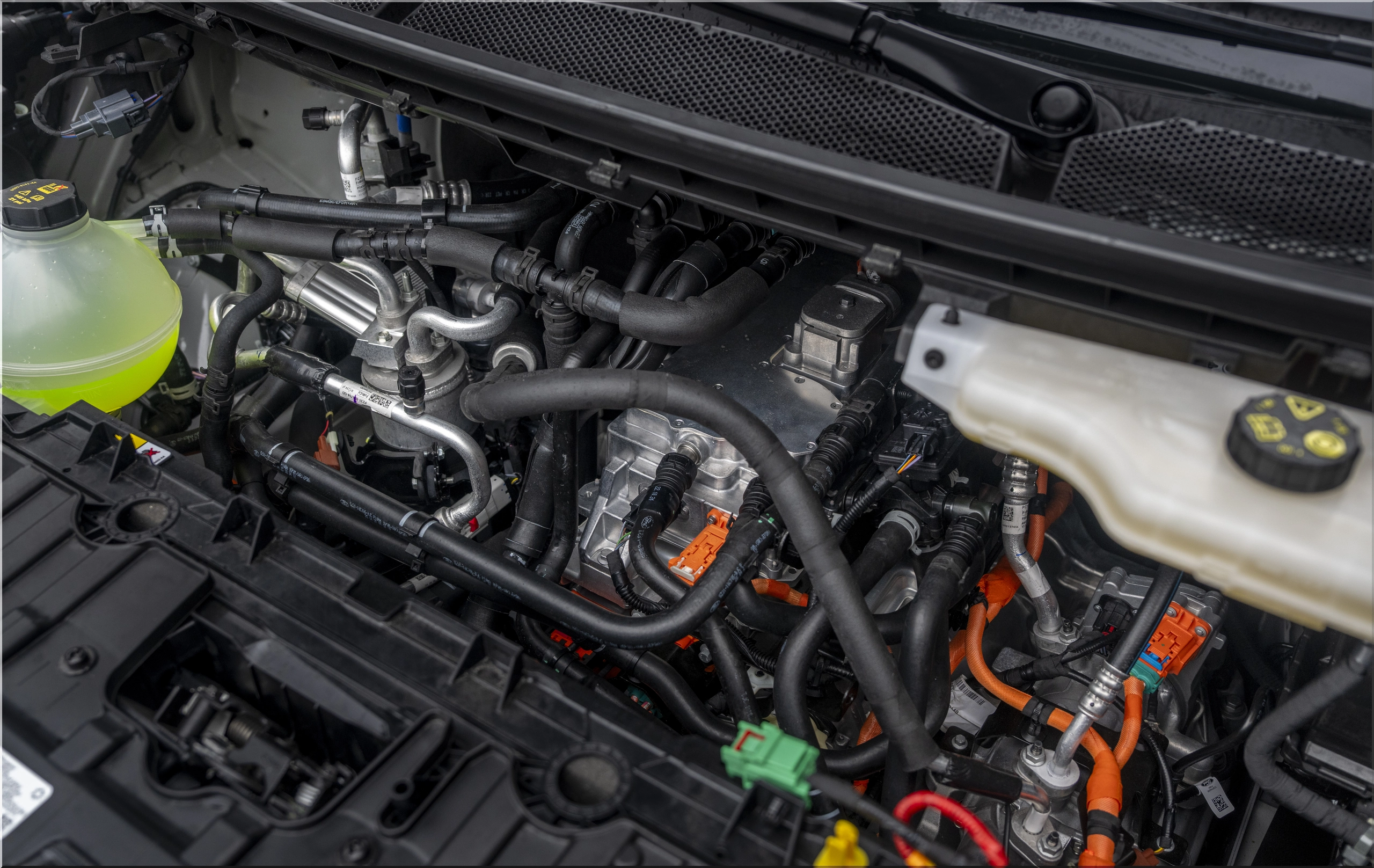
Freezing temperatures are notoriously hostile to lithium-ion batteries. To mitigate this, Ford included a vapor-injected heat pump as standard equipment on the E-Transit Custom. Traditional resistive heaters drain the main battery to warm the cabin, which can slash an electric van's range by 30% or more in the winter. Specifically, the heat pump extracts ambient heat from the outside air—even in sub-zero conditions—to maintain interior comfort. According to engineering benchmarks, this technology preserves up to 10% of the vehicle range on cold days.
High-Output Charging and Fleet Uptime Benchmarks
A commercial vehicle is only profitable when it is moving. Ford optimized the charging profile for the 71 kWh battery to ensure that mid-day top-offs do not stall operations. Looking at the data, a DC fast-charge from 10% to 80% now takes approximately 29 minutes. This is roughly 10 minutes faster than the previous generation, despite the larger battery capacity.
- 10-Minute Charge: A brief stop at a high-output charger adds up to 69 miles (111 km) of range.
- AC Charging: For overnight charging at a depot, the onboard charger handles standard Level 2 speeds, ensuring the van is at 100% by the start of the next shift.
- Charging Logic: The system uses active thermal management to warm or cool the battery before arriving at a fast-charger, optimizing the intake of energy.
Battery and Performance Comparison
| Feature | AWD Specification | RWD Specification |
|---|---|---|
| Net Battery Capacity | 71 kWh | 71 kWh |
| Estimated Range | 211 Miles | 230 Miles |
| Total System Torque | 465 lb-ft | 306 lb-ft |
| Horsepower (Max) | 286 HP | 136 - 217 HP |
| 0-80% DC Charge Time | 29 Minutes | 29 Minutes |
The Mobile Power Plant: Pro Power Onboard Applications
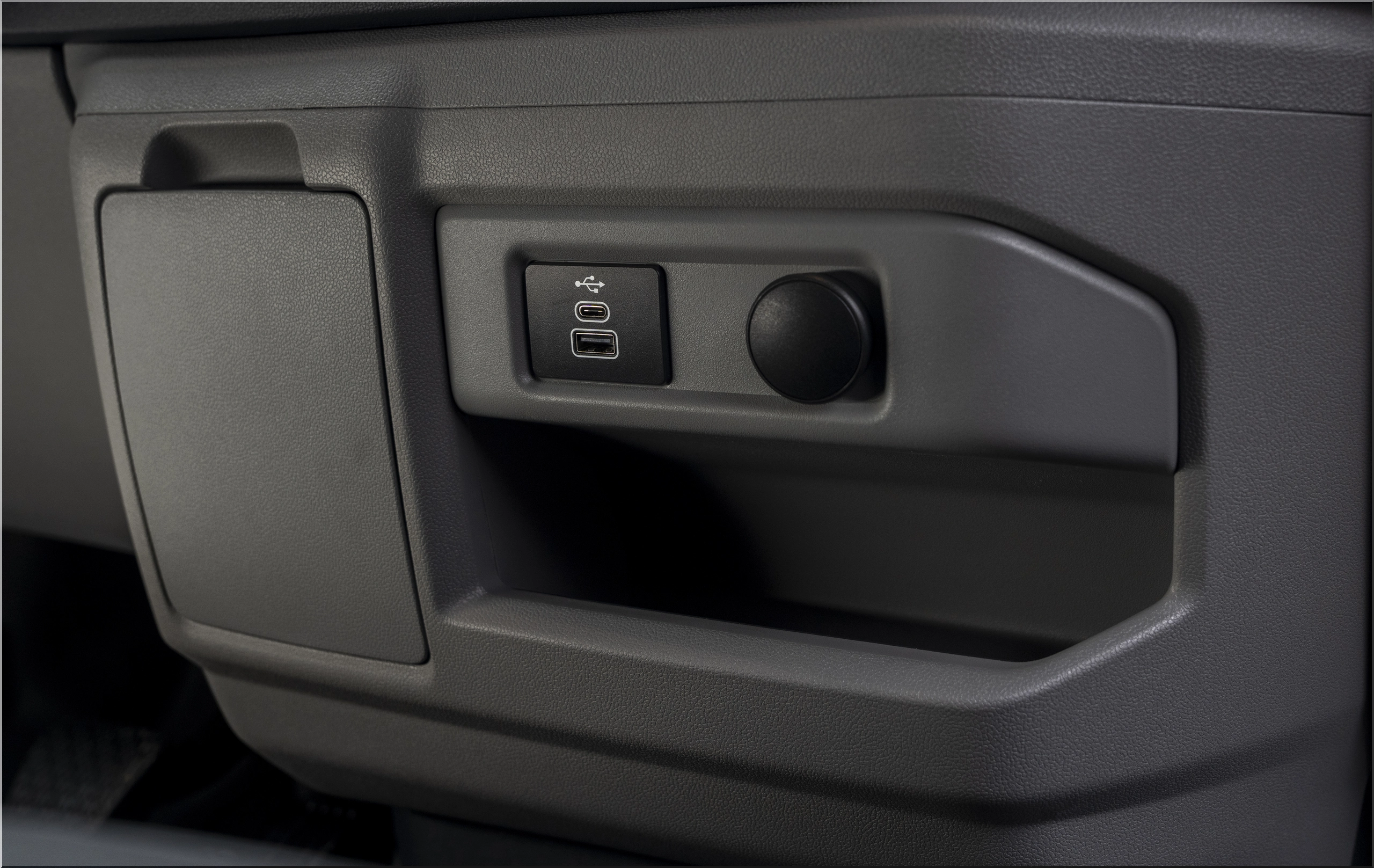
The 2026 E-Transit Custom is designed to function as a mobile energy source, a feature Ford calls Pro Power Onboard. This system provides 2.3 kW of electricity directly from the high-voltage traction battery. For contractors, this eliminates the need to carry portable, gasoline-powered generators that are noisy, heavy, and prone to theft.
The system features 230V outlets located in both the cargo area and the cabin. Specifically, it can power high-draw equipment such as circular saws, industrial drills, or even a small compressor. The onboard software allows the driver to set a reserve limit, ensuring the system does not drain the battery so far that the van cannot reach its next destination. This is a pragmatic solution for work on sites where grid power has not yet been established.
Cargo Capacity and Structural Versatility
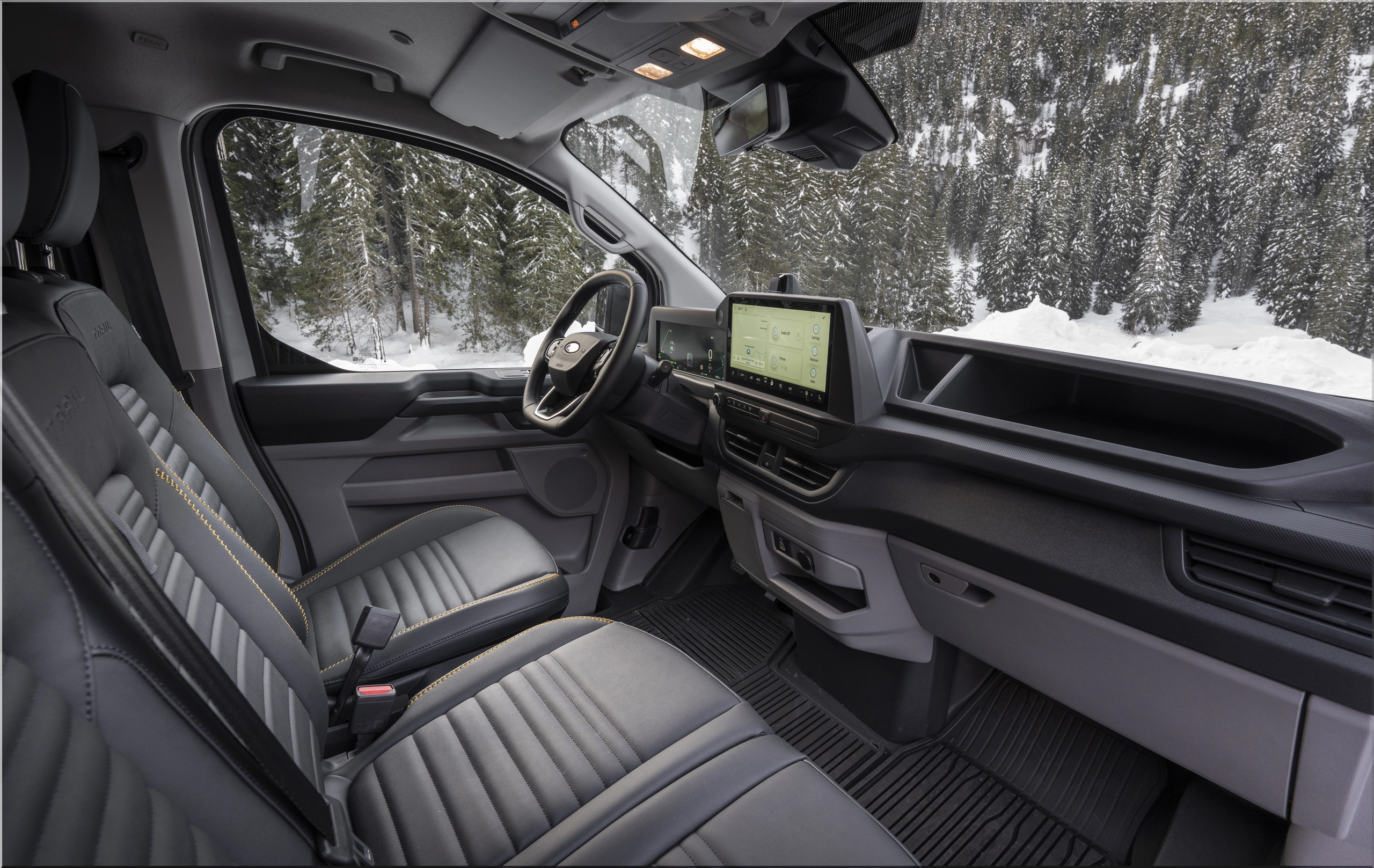
Despite the addition of a front-mounted motor, Ford engineers managed to preserve the utility of the interior. The van maintains a maximum towing capacity of 5,070 lbs (2,300 kg), which is a vital metric for teams moving trailers or heavy machinery. The AWD system actually makes towing easier by providing better launch traction on boat ramps or unpaved staging areas.
The cargo area offers up to 240 cubic feet (6.8 $m^3$) of volume, with a flat floor and a low step-in height. For longer items like copper piping or ladders, a pass-through storage area under the front seats allows for a total load length of 135.8 inches (3.45 meters).
Available Body Configurations
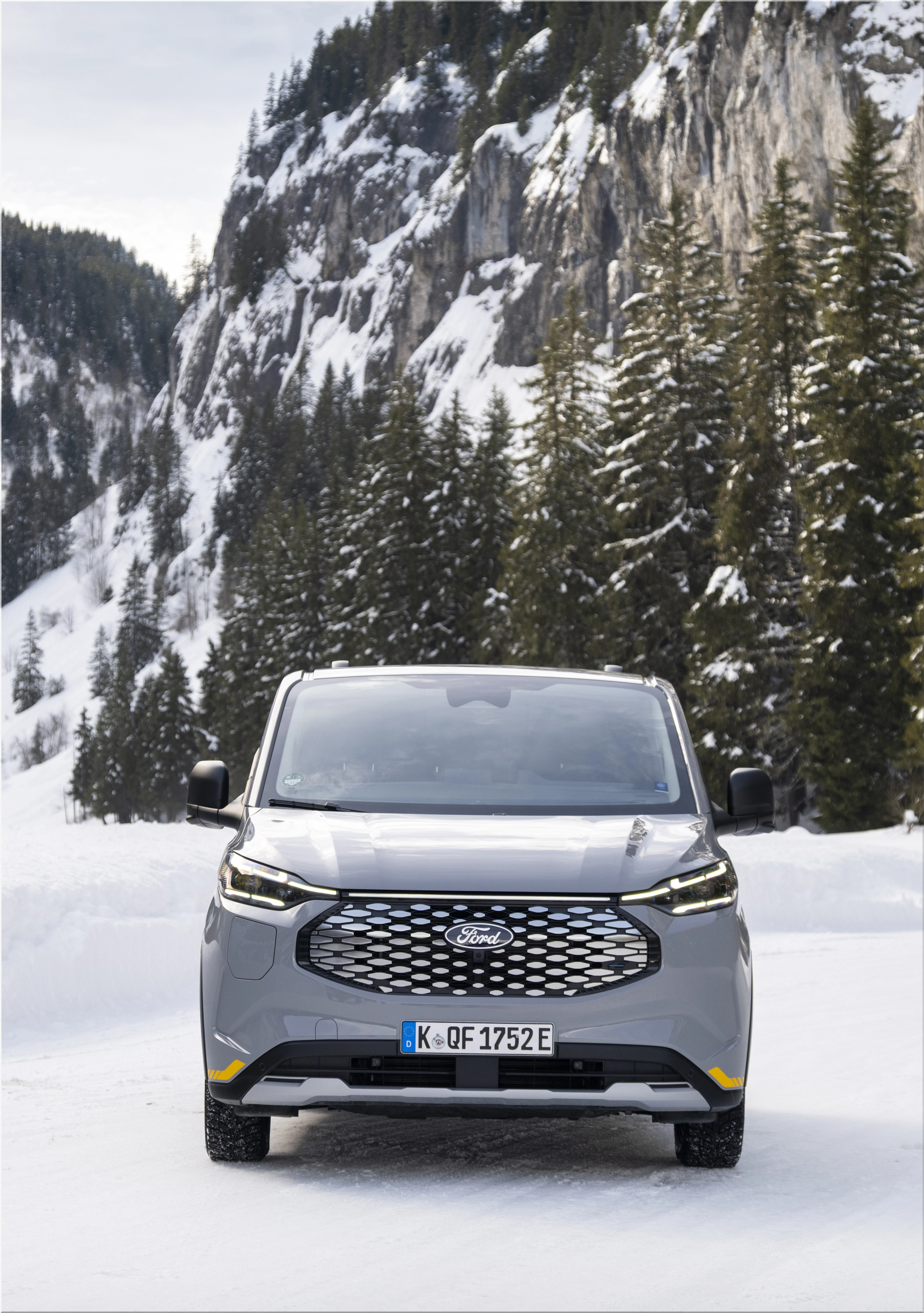
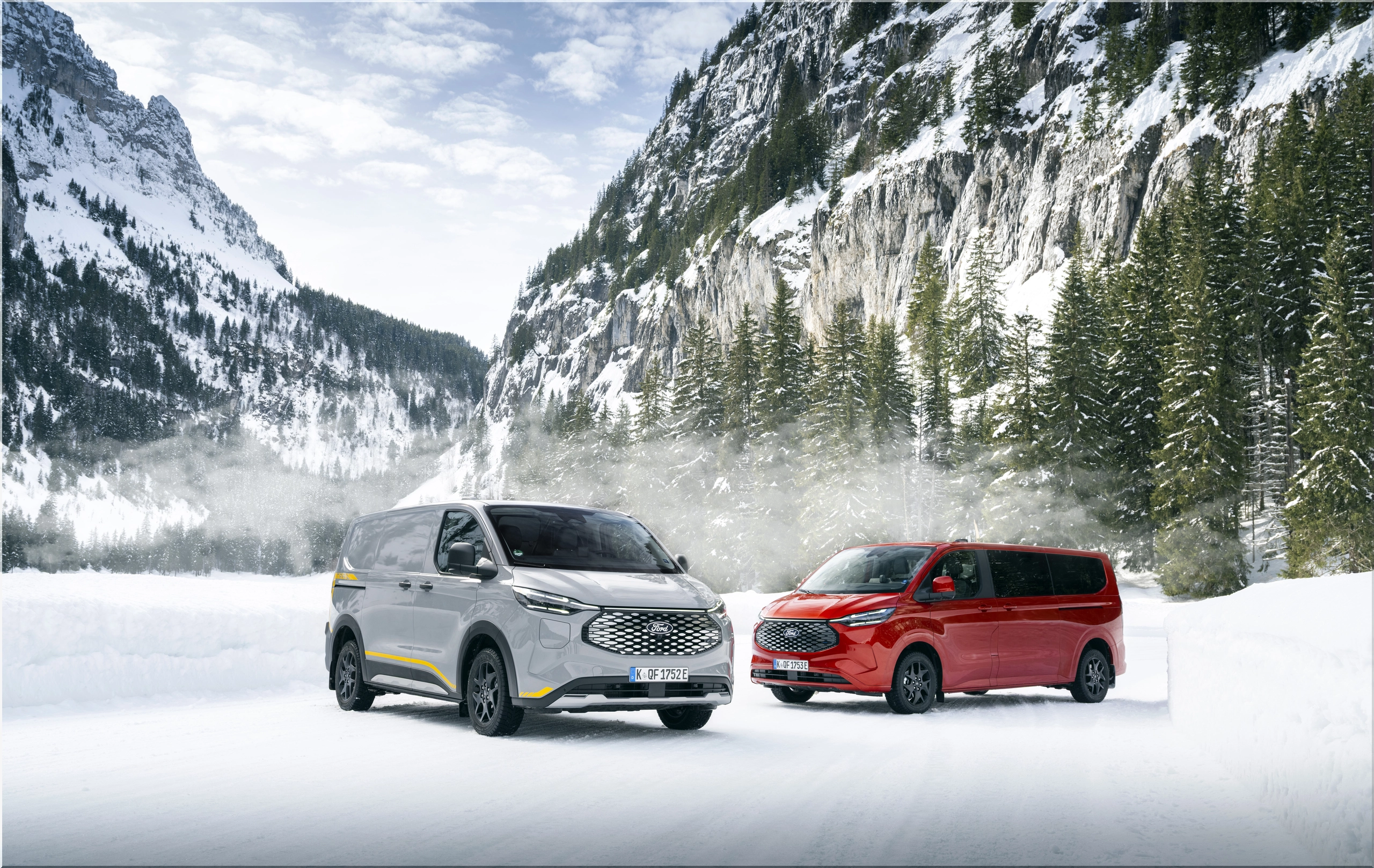
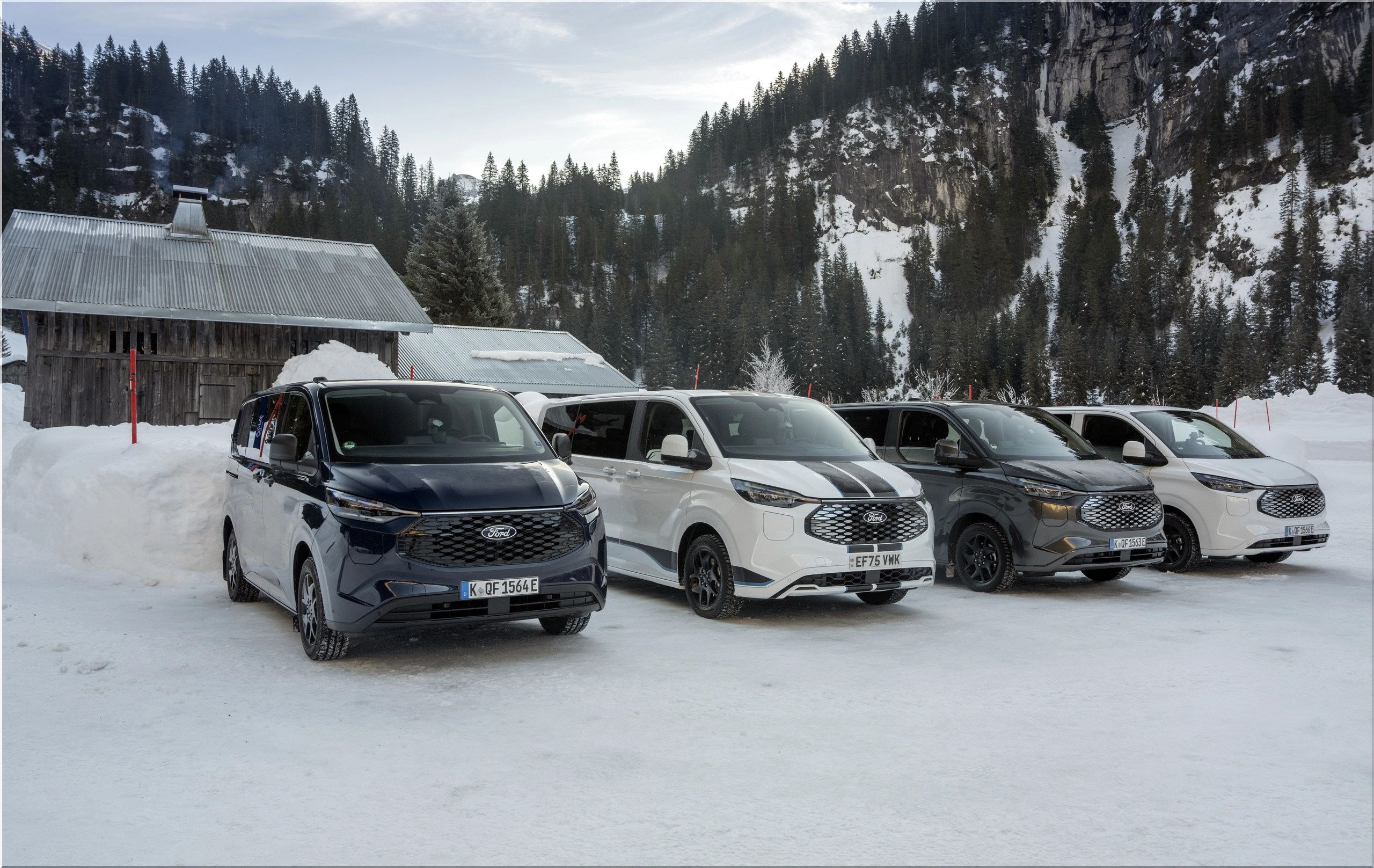
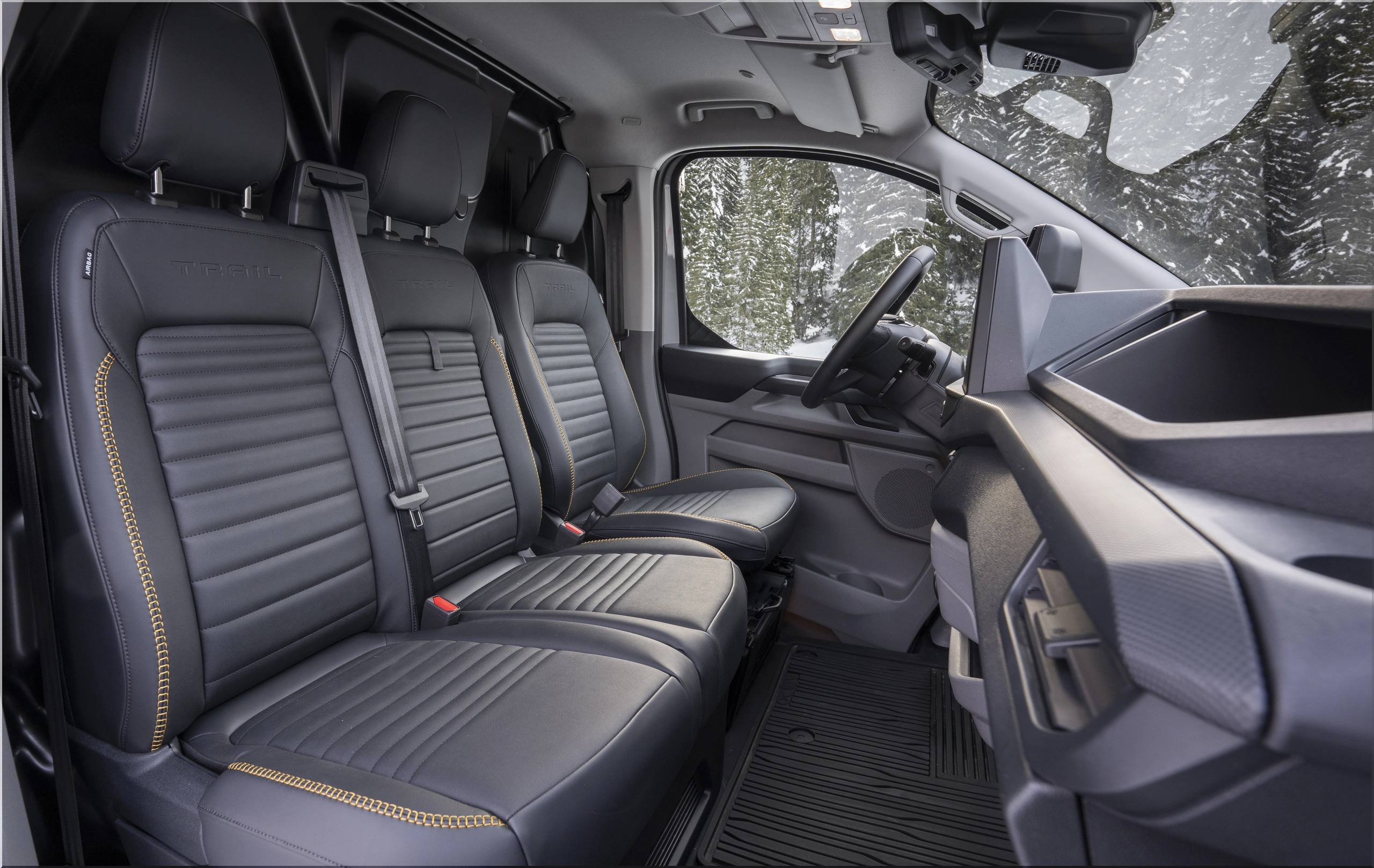
- Standard Panel Van: Optimized for maximum volume with 2 or 3 seats.
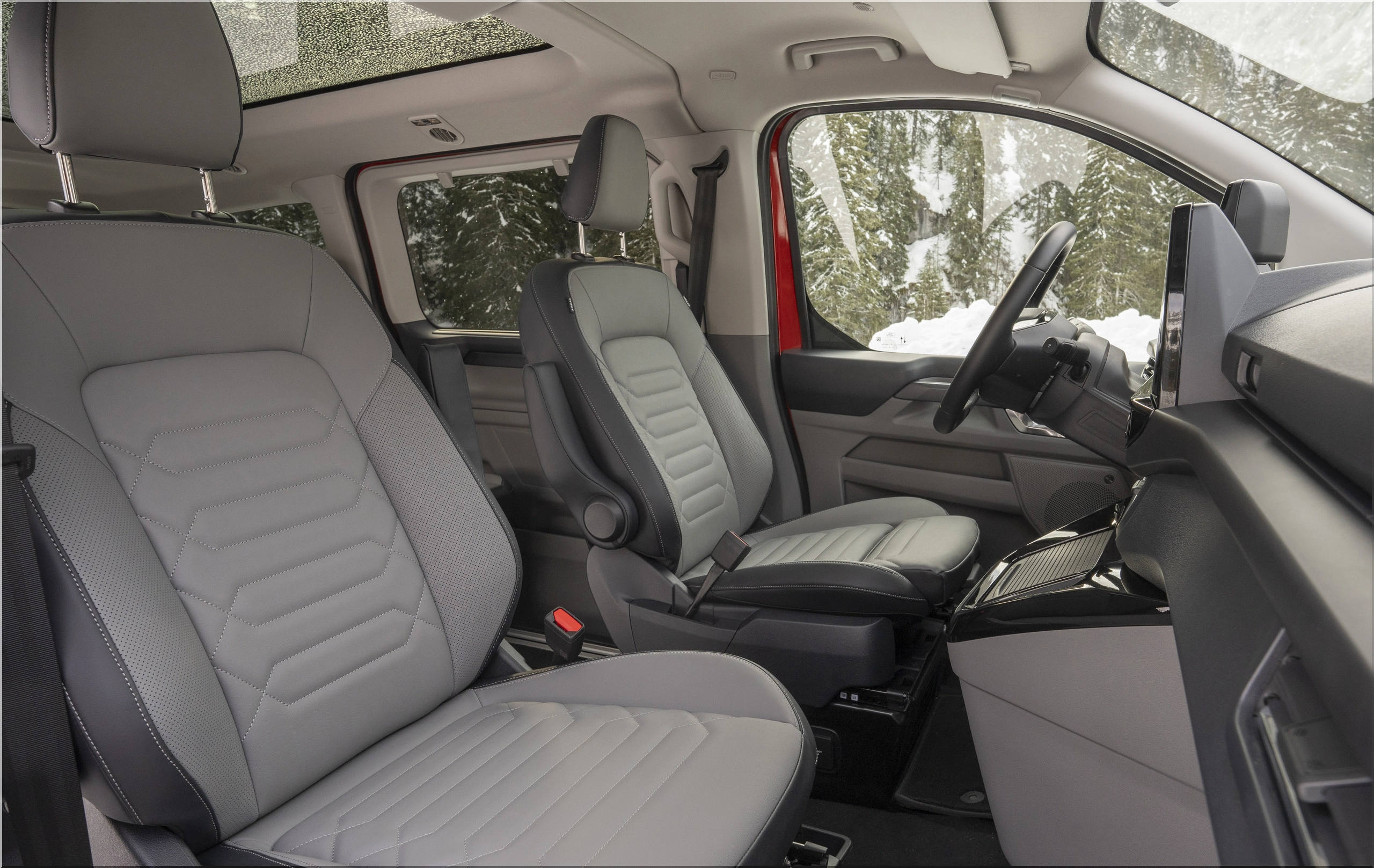
- Double Cab: Features two rows of seating for 5 or 6 crew members while retaining a dedicated cargo bay.
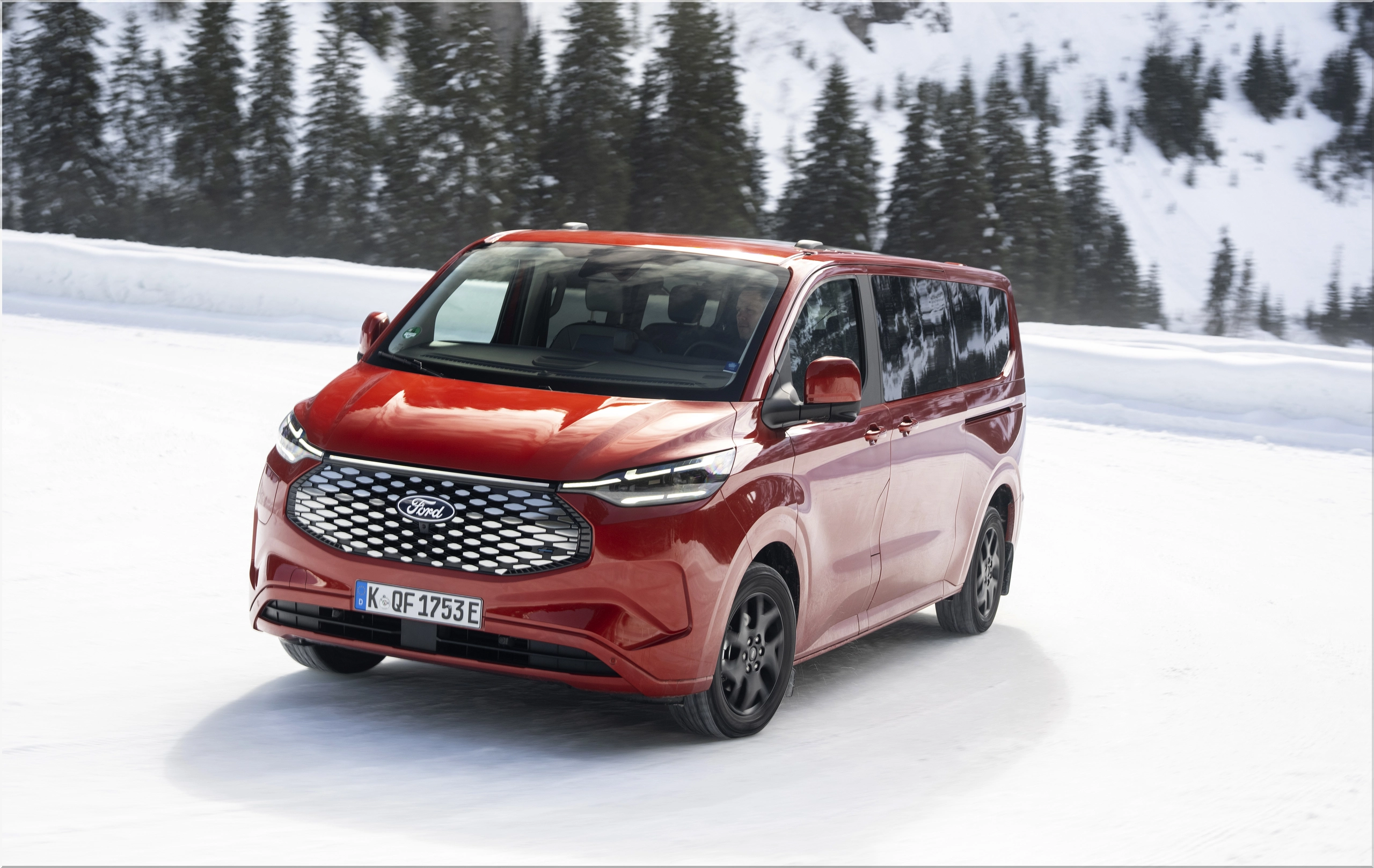
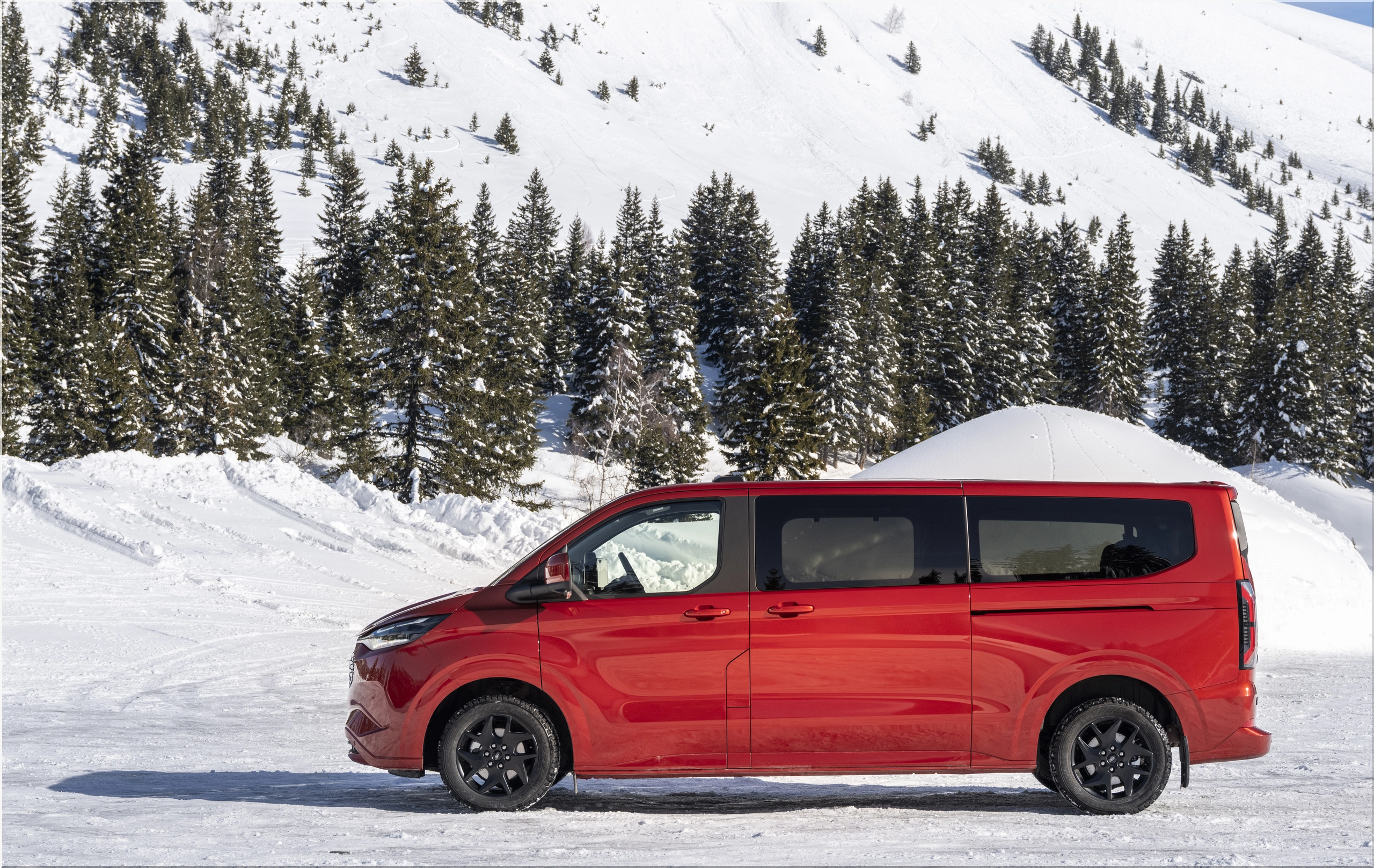
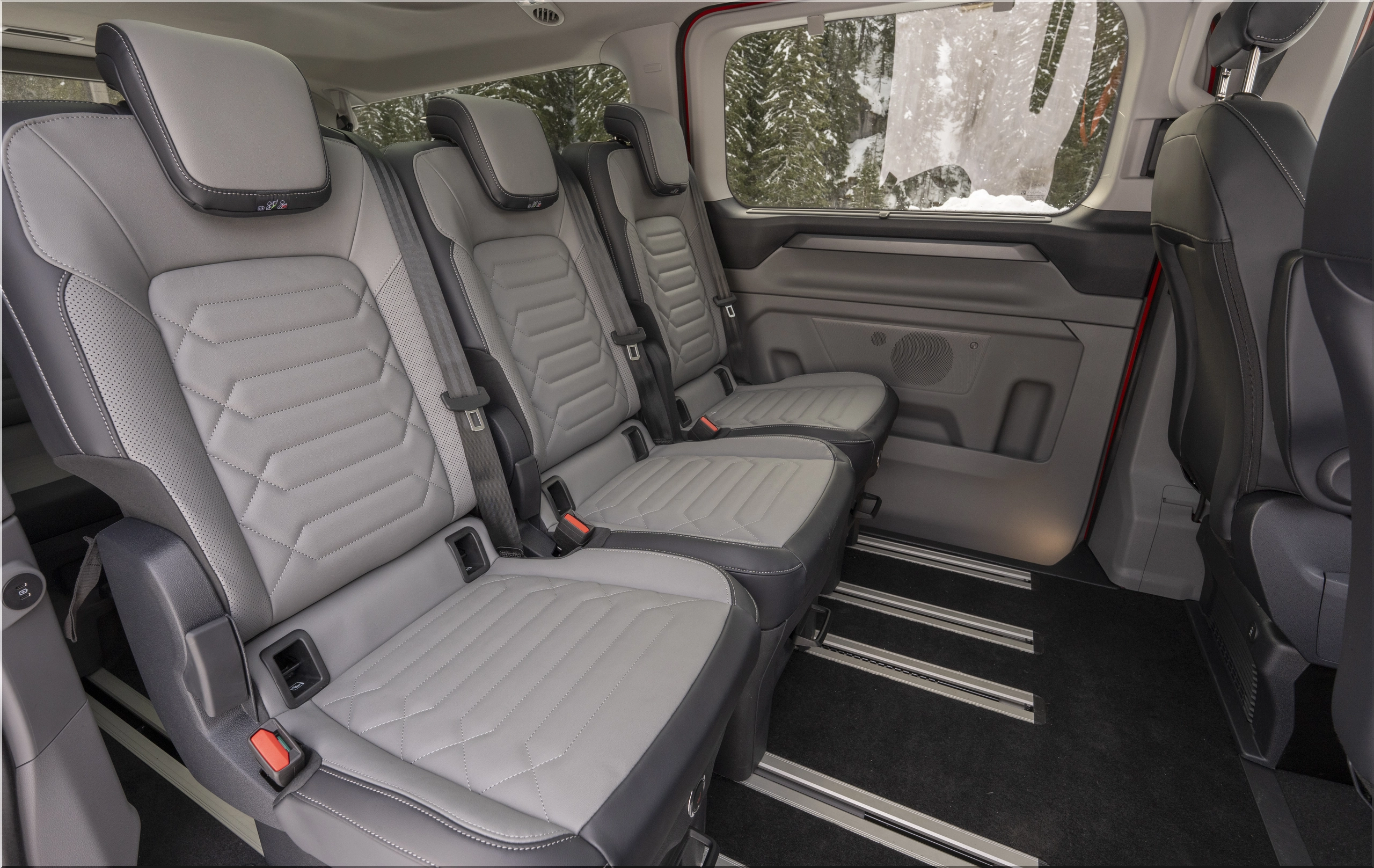
- Kombi: A multi-purpose transport for 8 or 9 passengers, ideal for shuttle services.
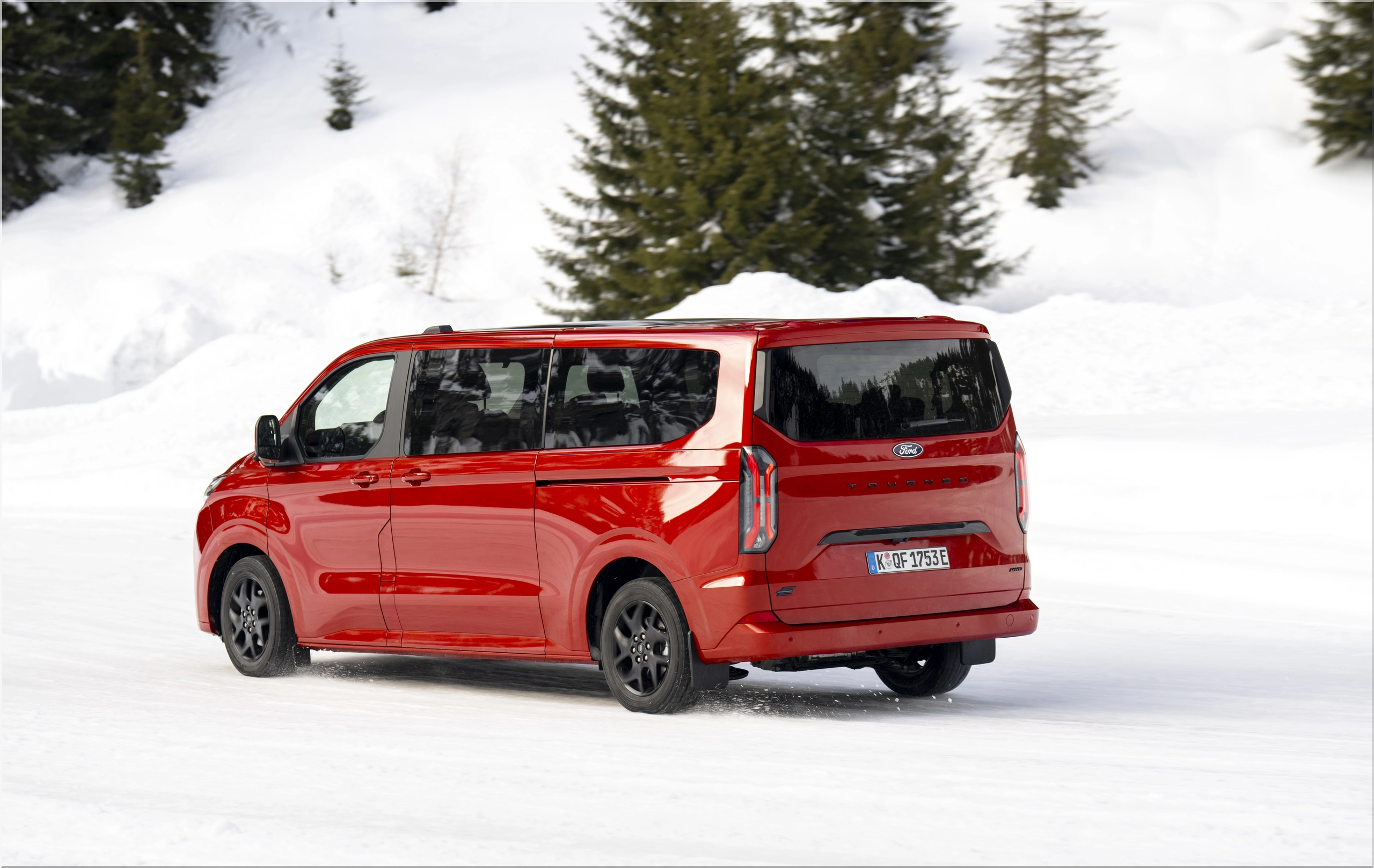
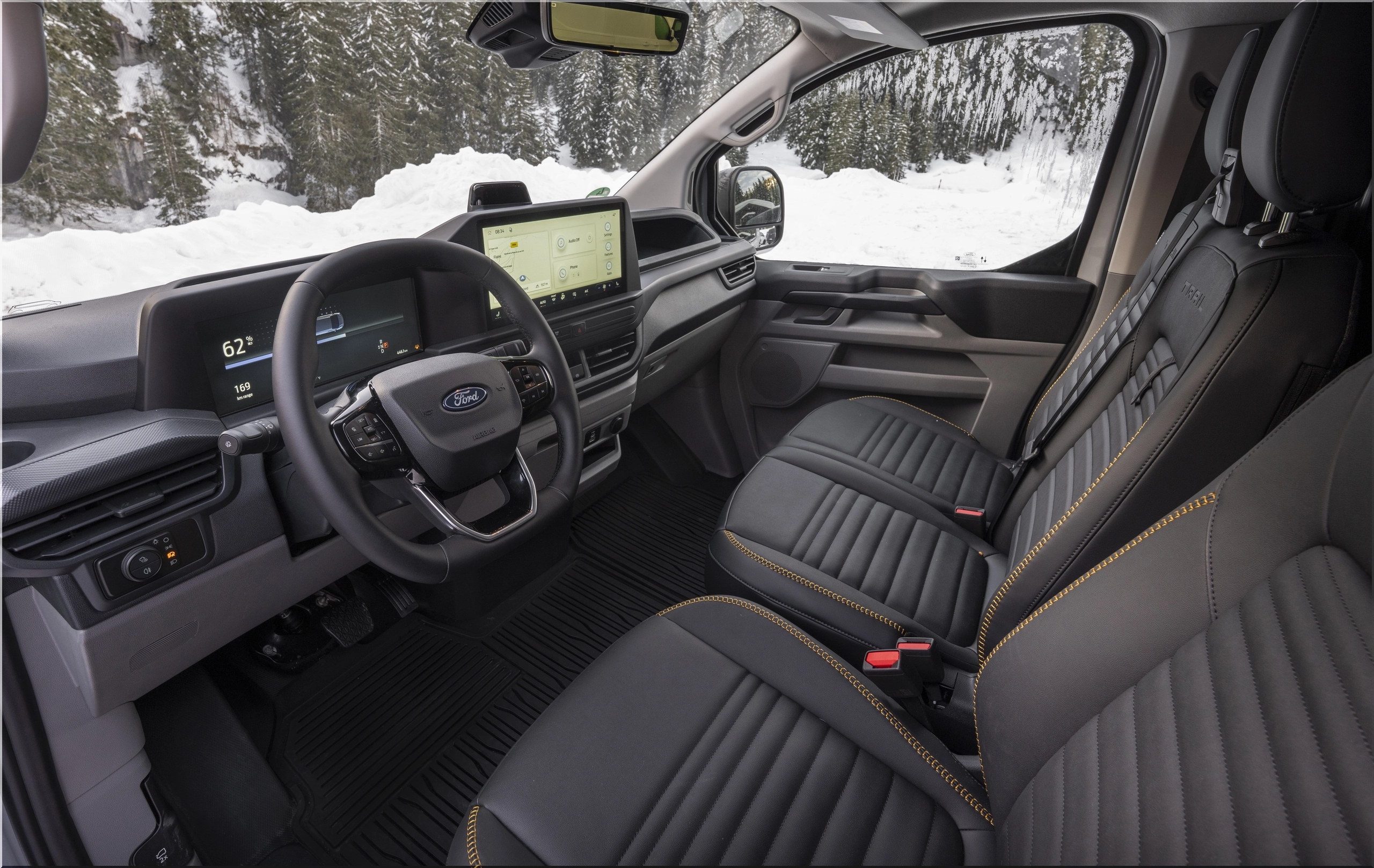
- Tourneo Custom: The premium passenger version, often used for executive transport, offering 8 seats and higher-end finishes.
Fleet Integration: Telematics and Total Cost of Ownership
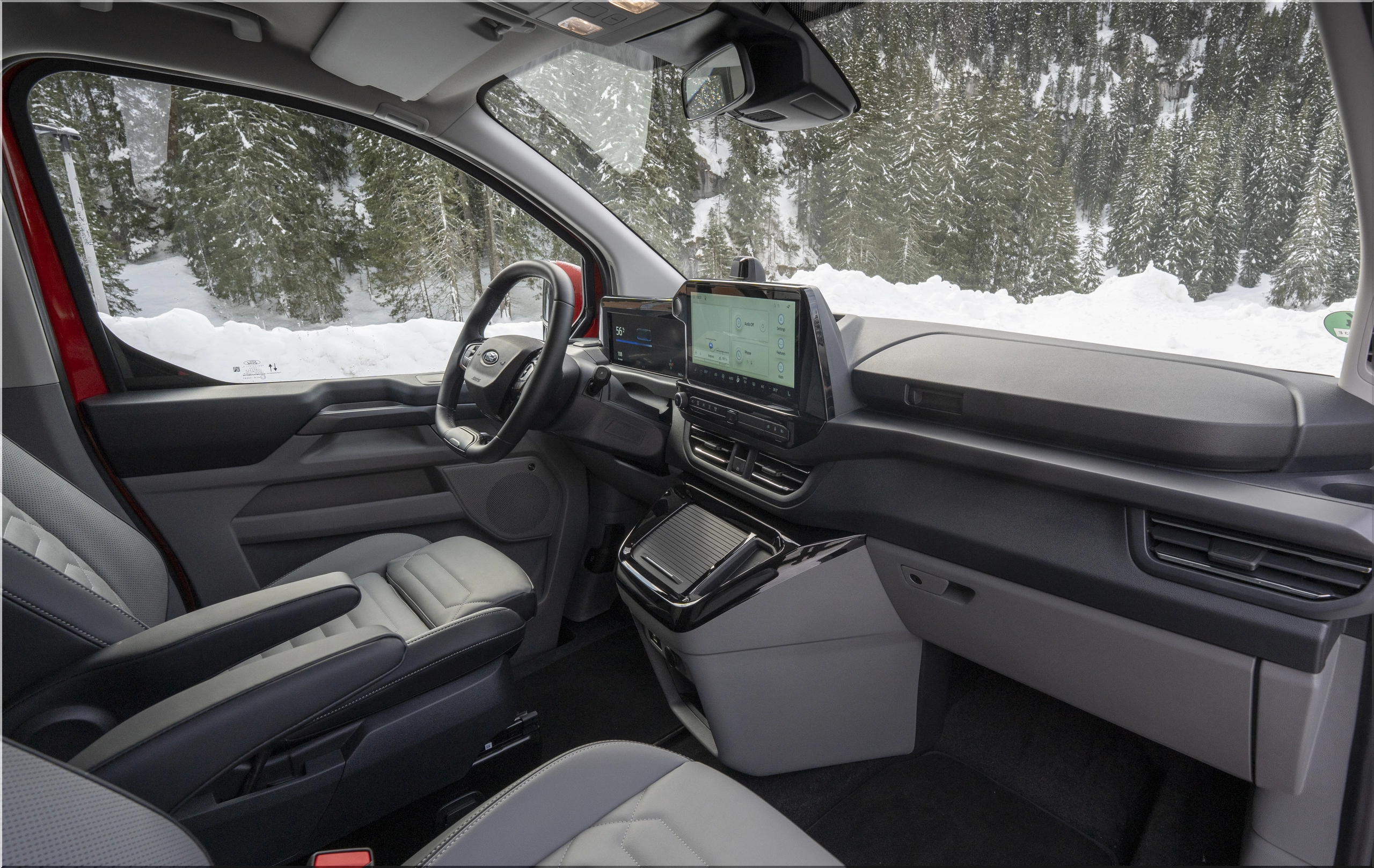
Every 2026 E-Transit Custom comes equipped with a 12-month subscription to Ford Telematics. This is a data-driven tool designed to simplify fleet management. It provides an electronic logbook for tax compliance, real-time GPS tracking, and vehicle health alerts. If a tire pressure sensor fails or the battery requires attention, the fleet manager is notified before the vehicle breaks down.
Definition: Uptime Monitoring
Uptime monitoring is a proactive maintenance strategy that uses real-time vehicle data to predict failures. By analyzing sensor trends, the system can recommend a service visit before a minor issue becomes a major repair, keeping the vehicle on the road more consistently.
Pricing and Model Variant Breakdown
The financial logic of the E-Transit Custom AWD relies on its ability to operate in conditions that would sideline a cheaper, rear-wheel-drive van. In the primary rollout markets, the AWD system adds a price supplement of approximately $1,900 over the equivalent RWD model. The base Trend trim with 136 HP starts at roughly $52,100. For those requiring more power for heavy hauling, the 286 HP motor is available on Sport and MS-RT trims.
Estimated Pricing Table (USD)
| Model Trim | Drivetrain | Horsepower | Estimated Price |
|---|---|---|---|
| Trend (Base) | RWD | 136 HP | $50,200 |
| Trend (Base) | AWD | 136 HP | $52,100 |
| Tourneo Custom | AWD | 218 HP | $62,800 |
| Sport / MS-RT | AWD | 286 HP | $68,000+ |
Pro-Tip: Pre-Conditioning for Range
To maximize your winter range, use the Ford mobile app to schedule a departure time while the van is still plugged into a charger. This uses electricity from the grid to warm the battery and the cabin to the ideal temperature. Starting your day with a warm battery ensures that the internal chemistry is ready for maximum efficiency from the first mile.
The 2026 Ford E-Transit Custom AWD represents a technical milestone in commercial electrification. By prioritizing torque delivery, charging speed, and software-led traction control, Ford has created a tool that removes the stress of winter logistics. It is a no-nonsense machine for a world that doesn't stop for the weather.
- Add new comment
- 193 views