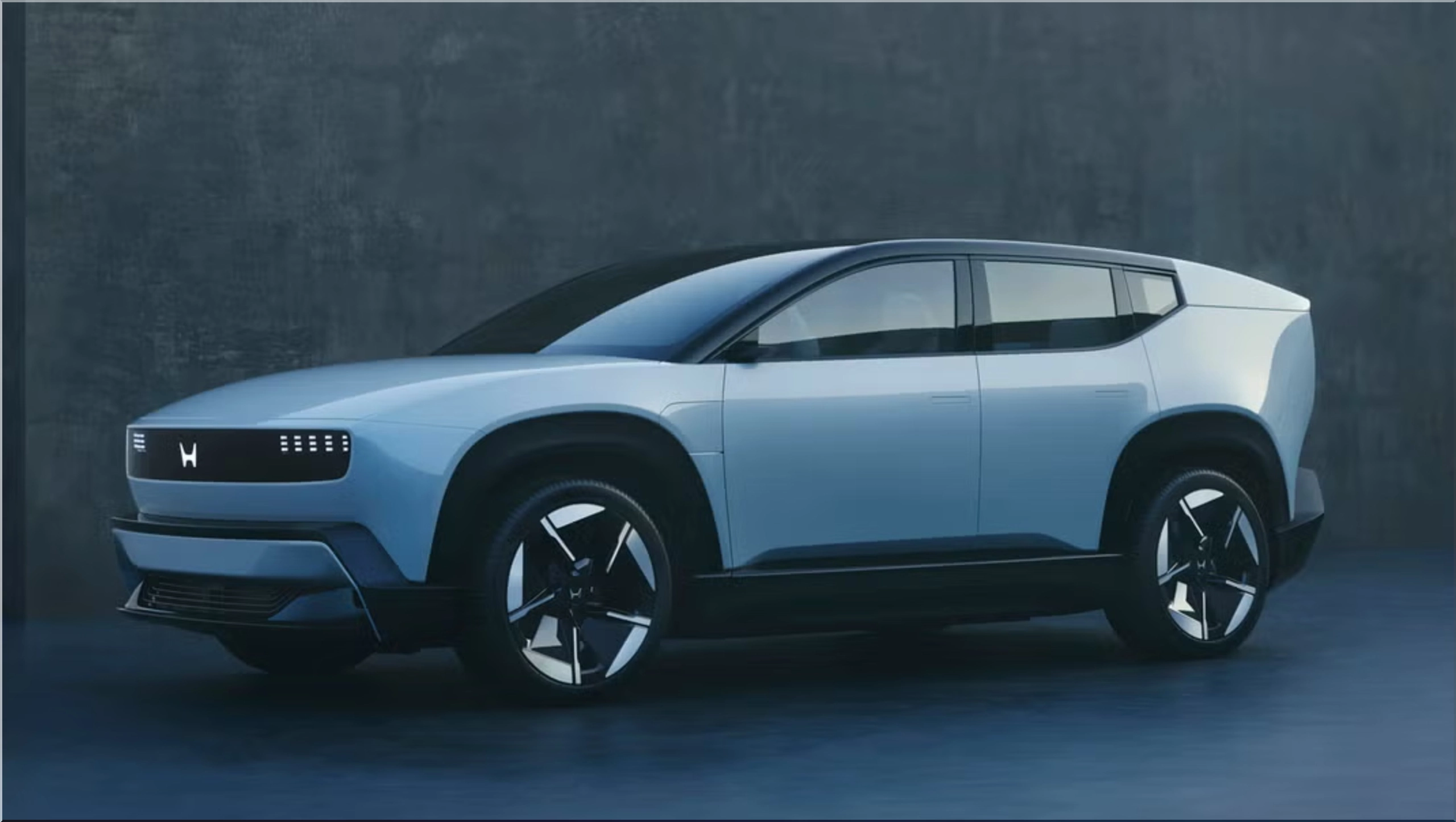
Honda just pulled the handbrake on a big part of its electric-vehicle plan. The company canceled three EV models planned for North American production, reset parts of its electrification program, and warned that the total financial damage could reach $15.7 billion. That number lands hard because it shows how expensive late strategy changes become once engineering, tooling, supplier contracts, and factory prep move deep into execution.
Looking at the data, Honda's move says two things at once. First, North American EV demand has cooled enough to make some planned launches look financially weak. Second, Honda thinks it can earn better returns by shifting capital toward hybrids, tighter local sourcing, and more disciplined product spending.
Why Honda pulled back on EVs now
Honda's official explanation points to a sharp change in the business case. In North America, weaker EV momentum and policy shifts reduced the payoff from launching new battery-electric models at the scale Honda expected. In China and other Asian markets, the company also admitted that buyers now reward software-defined vehicles, fast update cycles, and advanced digital features more than traditional packaging strengths like cabin space and fuel economy.
That matters because Honda had already spent heavily. Once an automaker locks in development, supplier tooling, validation work, and plant changes, walking away gets expensive fast. Honda now expects:
| Honda EV strategy reset | Amount in yen | Approx. USD |
|---|---|---|
| Operating costs and expenses | 820 billion to 1.12 trillion | $5.2 billion to $7.1 billion |
| Equity-method investment losses | 110 billion to 150 billion | $0.7 billion to $1.0 billion |
| Maximum total losses tied to the reassessment | Up to 2.5 trillion | Up to $15.7 billion |
That headline figure includes more than canceled vehicles. It also covers write-downs on assets, project cancellation costs, and weaker recoverability for some China-linked investments. Consequently, Honda now expects its first annual loss in decades as a public company.
Which EV programs got cut, and why North America matters most
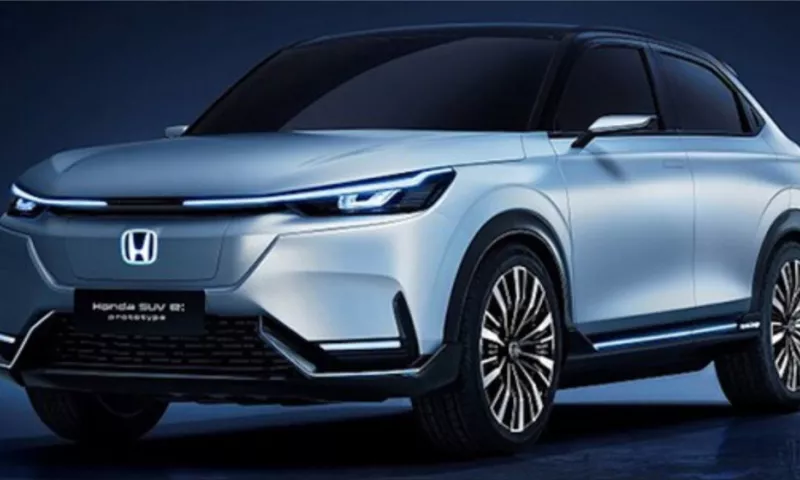
The canceled vehicles were planned for North American production, which turns this into a U.S. and Canada market story before anything else. Honda had aimed to build a stronger EV pipeline around its 0 Series direction, but the company decided the timing no longer matched demand, pricing pressure, and the likely profit curve.
From an expert perspective, that decision shows Honda no longer wants to subsidize low-volume EV launches while the market still punishes mainstream buyers with higher transaction prices, patchy charging confidence, and rapid depreciation pressure in some segments. A late cancellation looks ugly on paper, but a weak launch that burns cash for several model years looks worse.
What likely drove the reset
- Slower EV demand in North America
- Tariff pressure on the broader vehicle business
- Heavy capital needs for dedicated EV programs
- China competition centered on faster software and ADAS rollouts
- A stronger near-term profit case for hybrid vehicles
In addition, Honda said it will tighten investment caps and apply harder profitability filters before green-lighting future projects. That language reads like a finance-first reset, not a small scheduling delay.
Honda's North American fallback plan: hybrids, local content, and better margins
Honda did not abandon electrification. It changed the type of electrification it thinks North America will pay for right now. The company said it will introduce new hybrid models in the second half of the 2020s and start rolling out its next-generation hybrid system from 2027 onward across key models.
That pivot makes sense in this market. A hybrid lets Honda cut fuel use, reduce compliance pressure, and protect showroom traffic without asking buyers to change charging behavior overnight. It also lets Honda use existing production flexibility instead of forcing a full battery-EV volume ramp before demand supports it.
Honda's North America plan now centers on three mechanical business levers:
- Expand hybrid volume across core models.
- Increase local content to reduce tariff exposure.
- Convert battery capacity where possible to support hybrid demand.
Specifically, Honda said discussions are moving ahead with LG Energy Solution to localize hybrid battery production in Ohio by converting EV battery lines to hybrid battery lines. That is a practical move. Hybrid packs use less material per vehicle than full EV packs, so Honda can spread battery supply across more units and support higher retail volume.
The engineering logic behind the hybrid pivot
This pivot works because hybrid systems solve a different math problem than full EVs. A hybrid does not need a large 70-100 kWh battery pack, expensive fast-charge hardware, or a dedicated charging routine from the customer. Instead, it uses a smaller battery, an electric motor, power electronics, and a gasoline engine to improve efficiency in stop-and-go driving and light-load operation.
By comparison, a full EV program usually demands:
- Dedicated platform spending
- New battery sourcing commitments
- Different supplier tooling
- Charging-related customer education
- Higher up-front pricing pressure
A hybrid asks for less capital per retail risk point. That gives Honda a better shot at protecting margin while still pushing electrified vehicle sales higher in North America.
Honda already had proof that hybrids can move volume in the U.S.
Honda's own U.S. sales mix gave management a reason to lean harder into hybrids. The company said Accord sales ran at more than 50% hybrid mix in 2025, while Civic sales topped 36% hybrid mix. That matters because those are mainstream nameplates, not niche green halo cars.
Here is what that signal looks like in plain terms:
| North America signal | What it tells us |
|---|---|
| Accord hybrid mix above 50% | U.S. midsize buyers accept electrification when price and use case stay familiar |
| Civic hybrid mix above 36% | Compact buyers will take efficiency gains without full EV compromises |
| New hybrid rollout from 2027 | Honda sees stronger margin and volume recovery through hybrids than through rushed EV launches |
| Ohio hybrid battery localization | Honda wants tariff protection and supply-chain stability tied to regional production |
That strategy also fits the current dealer reality. Hybrids keep service departments active, avoid full dependence on public charging adoption, and fit suburban commuting patterns with fewer behavioral changes.
How Honda compares with rivals making the same retreat
Honda does not stand alone here. Several major automakers have already taken major EV charges or widened EV losses as demand growth cooled.
| Automaker | Recent EV-related financial pain | North America read |
|---|---|---|
| Honda | Up to $15.7 billion strategy-related losses | Cuts planned EVs, expands hybrids, localizes more supply |
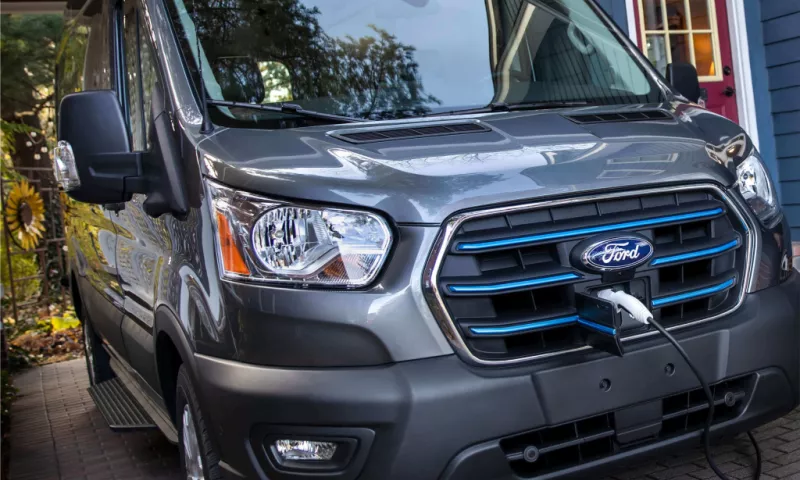
| Ford | Model e posted a $4.8 billion EBIT loss for 2025 | Keeps chasing lower-cost next-gen EVs while watching cost structure |
| GM | Took a $6 billion charge tied to EV investment pullback | Still backs EVs long-term, but trimmed spending pace |
Honda's win here comes from product fit. Toyota proved long ago that steady hybrid volume can carry profit. Honda now wants a similar result with better software, new ADAS content, and more disciplined capital use. Honda's loss comes from timing. It spent deep into EV execution before pulling back, which turned a strategy shift into a balance-sheet event.

What this means for buyers, dealers, and Honda's future EV plans
Short term, North American buyers should expect more Honda hybrids, not fewer electrified choices. They should also expect Honda to push software, ADAS, and higher-content trims into those hybrids to protect pricing. Dealers will likely welcome that because hybrid inventory generally sells to a broader audience than full EV inventory when incentives weaken.
Long term, Honda still says EV demand will return. The company also says it plans to carry over software and ADAS work from the 0 Series effort into future products. So the EV plan did not die. Honda simply decided it could not keep funding the old timing assumptions.
What now?
Honda now has to prove that this reset buys time instead of wasting it. The next step looks clear: sell more hybrid vehicles in North America, raise local content, keep software development alive, and stop chasing EV volume that does not produce acceptable returns.
If Honda executes, this move will look like a harsh but rational course correction. If it misses, the company will have eaten a $15.7 billion charge and still arrived late to the next phase of the market. Right now, the safer bet says Honda thinks hybrids will fund its next EV attempt. @ arenaev.
- Add new comment
- 59 views