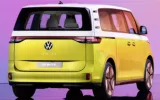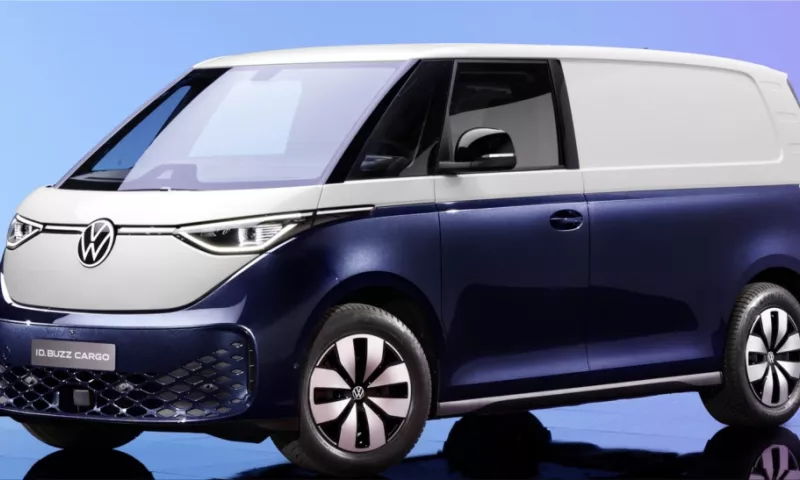
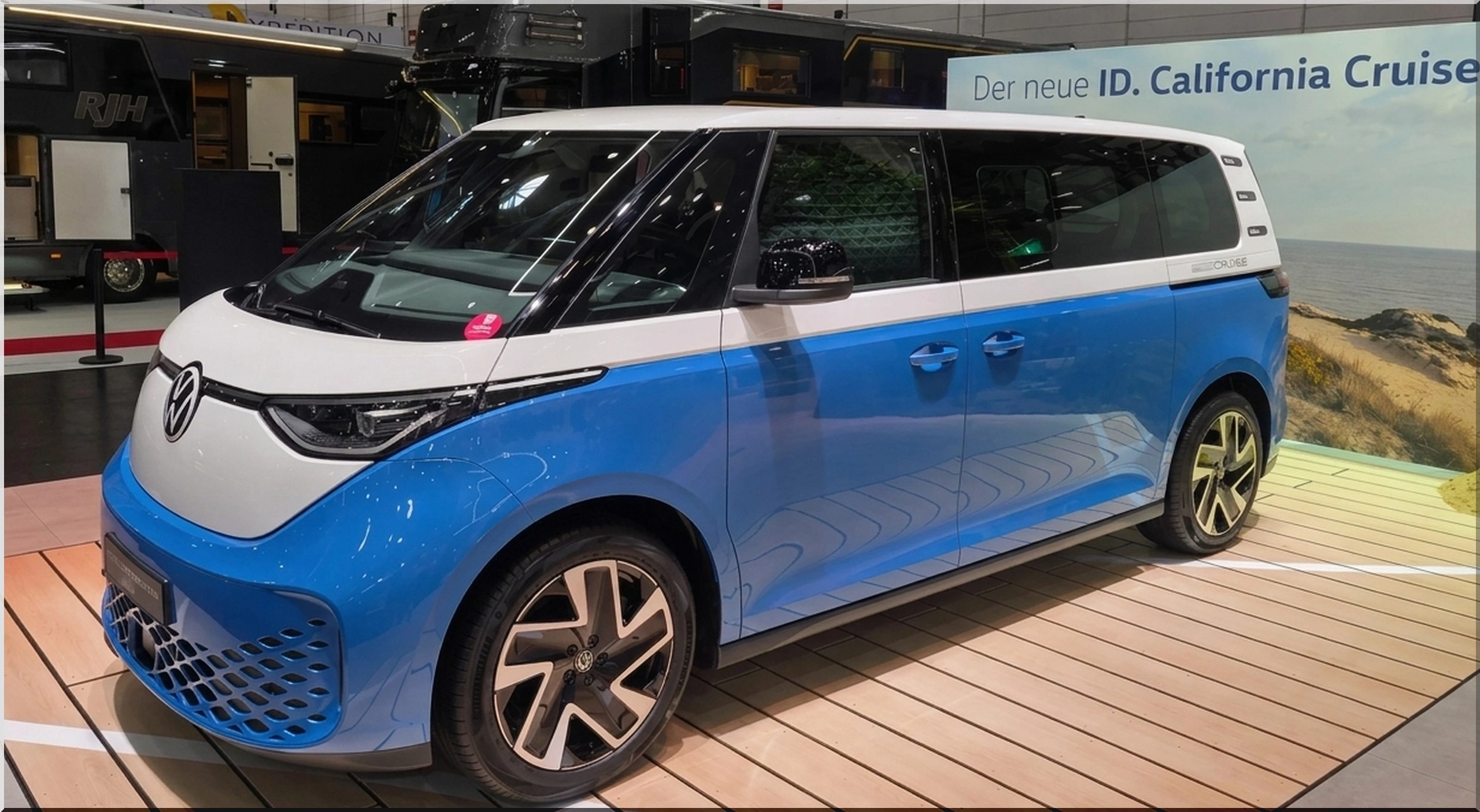
The 2027 Volkswagen ID. California Cruise gives Volkswagen's camping line its first battery-electric entry. Volkswagen presented the two-person camper at Caravan Salon 2026 in Dusseldorf and plans initial European deliveries for early 2027. German pricing starts near $70,800 after currency conversion, but Volkswagen has announced no US sales plan or US MSRP.
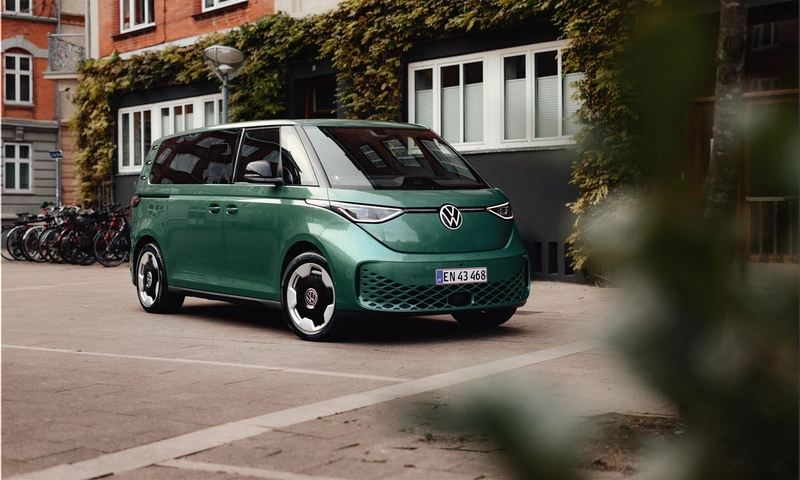
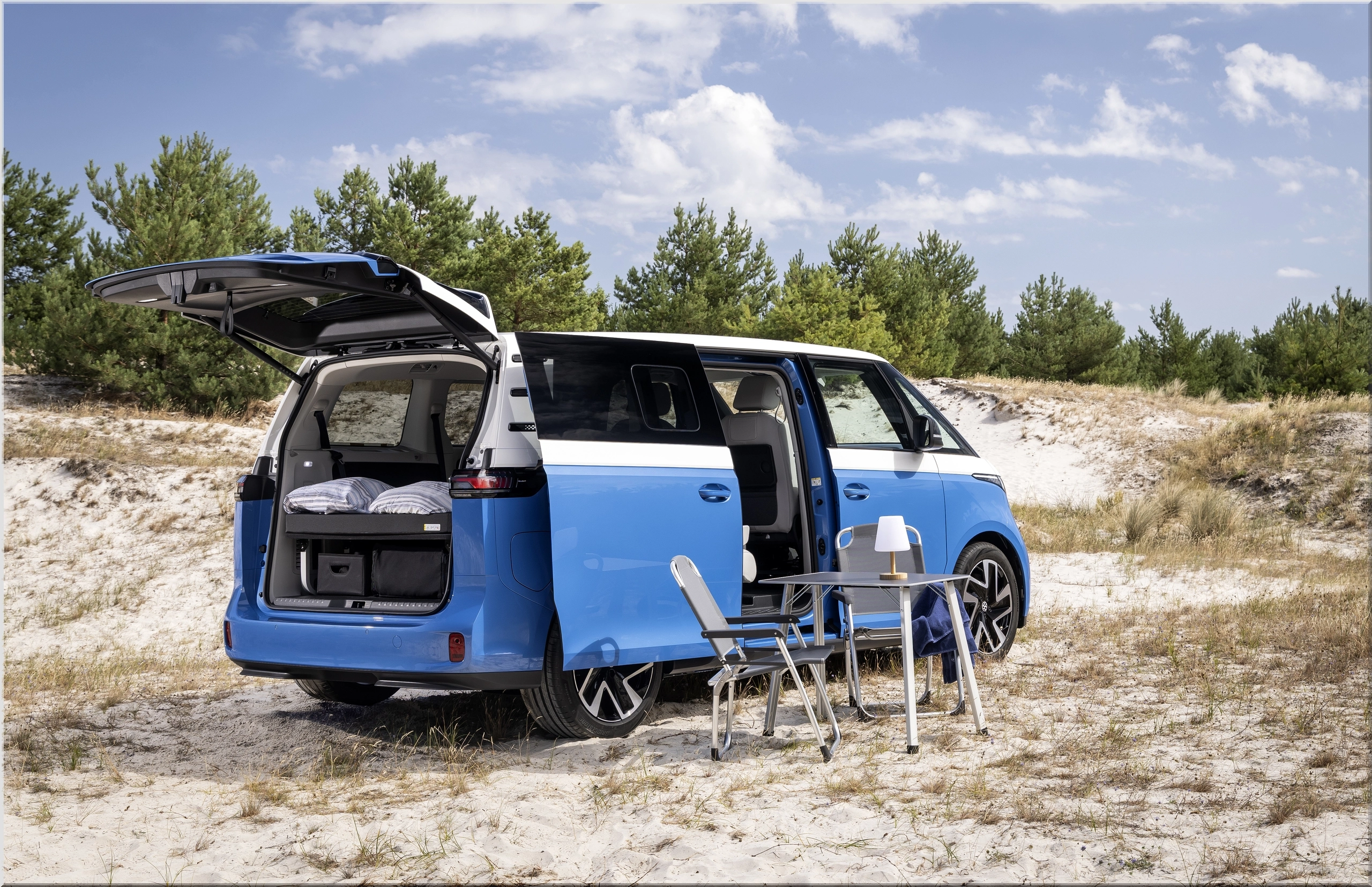
Volkswagen uses the ID. Buzz Pro as the base, adds a folding bed, window covers, camping furniture, retained climate control, and vehicle-to-load power, then omits a fixed kitchen and pop-up roof.
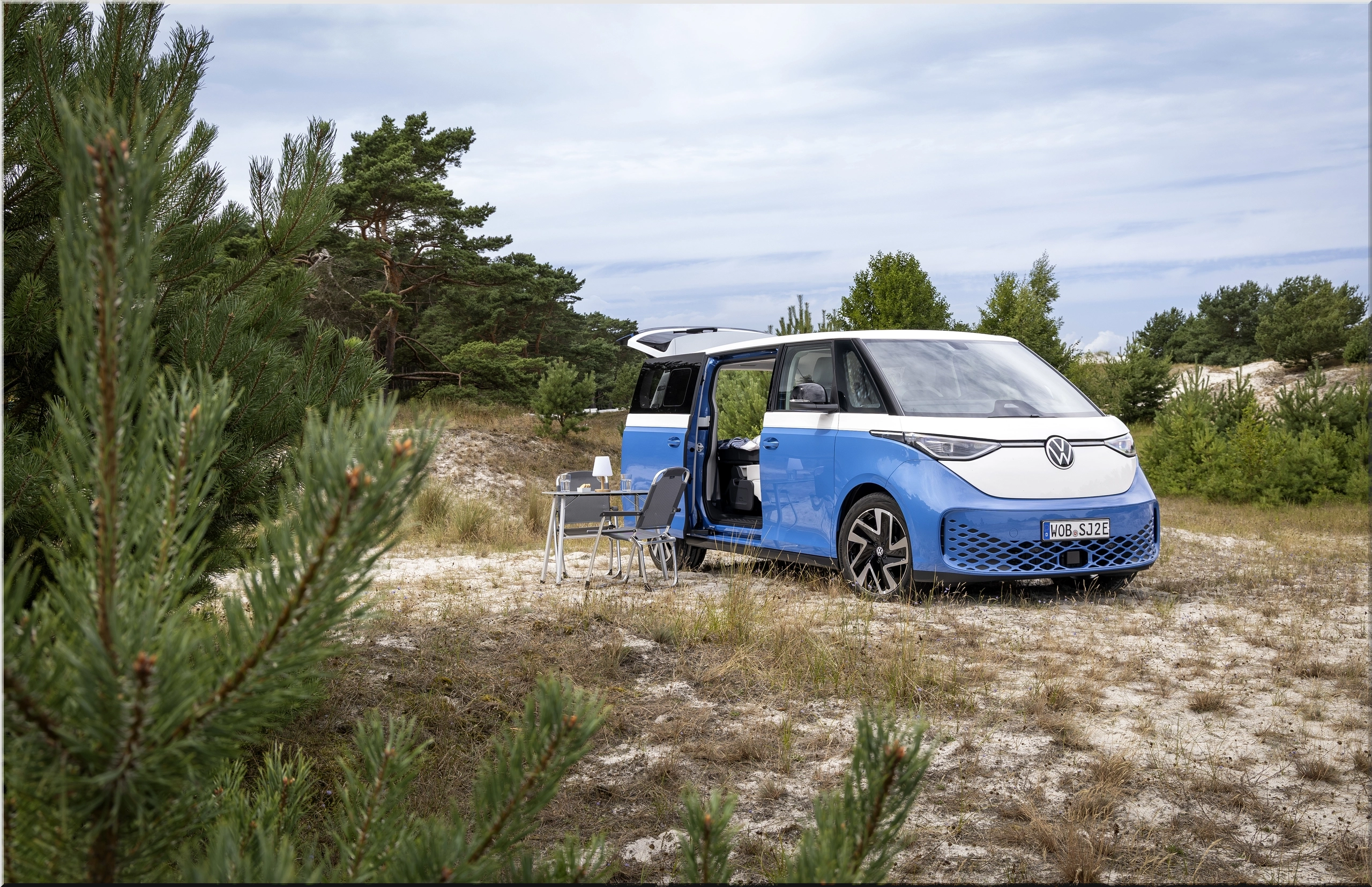
What did Volkswagen create with the ID. California Cruise?
The Cruise functions as a Volkswagen electric van during the week and a compact sleeper for two at camp. Volkswagen will sell short- and long-wheelbase versions with dedicated California equipment. Its lightweight concept favors daily usability, easy parking, and cabin power over a permanent kitchen, water system, or four-person sleeping capacity.
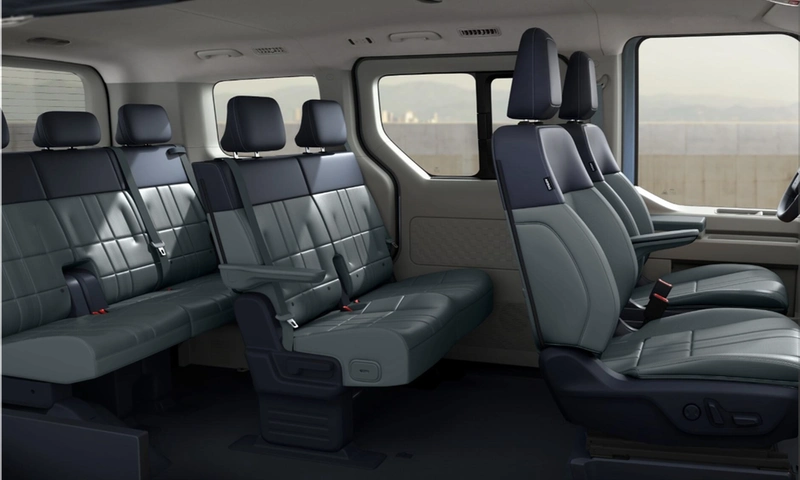
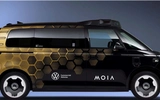
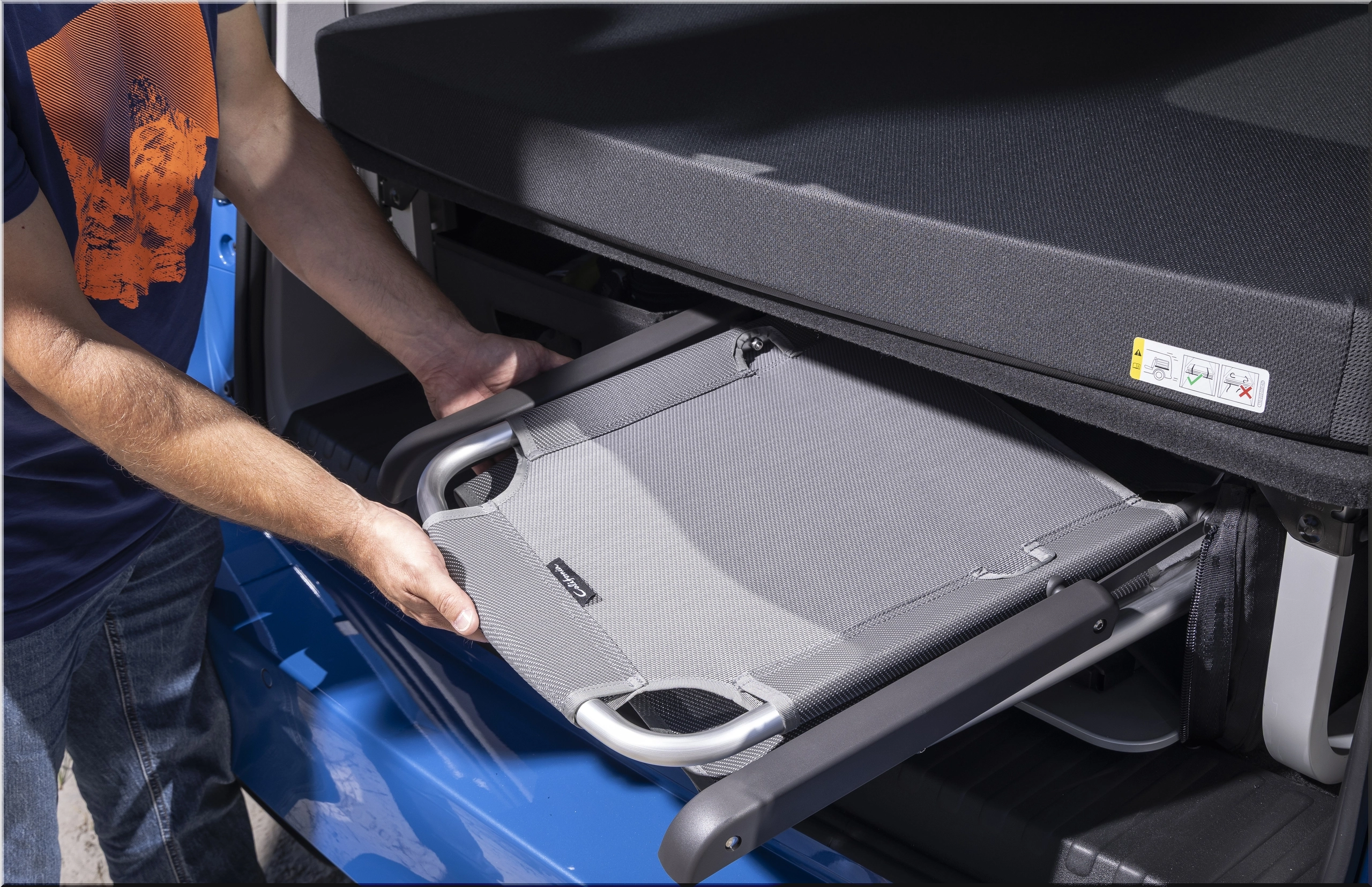
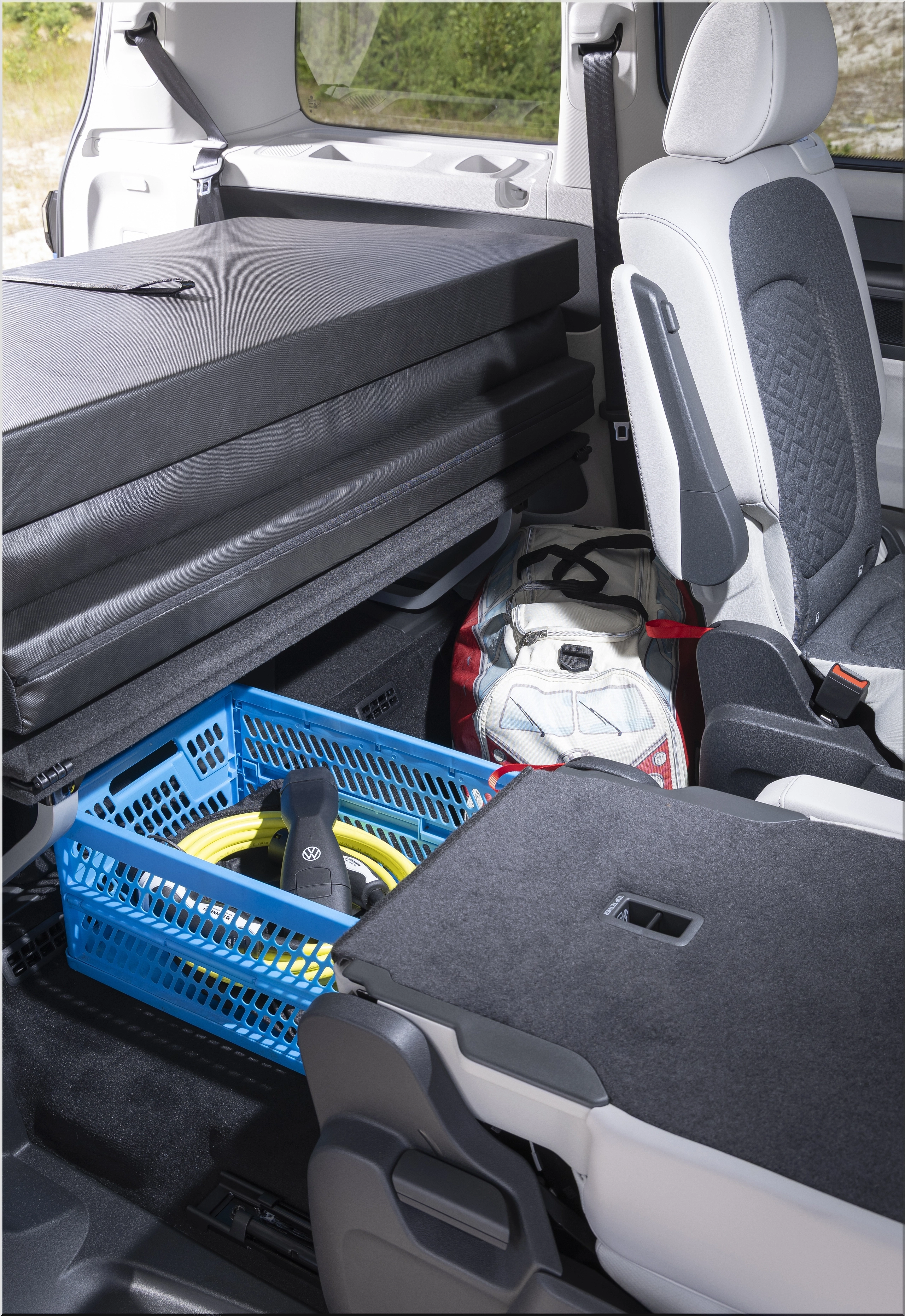
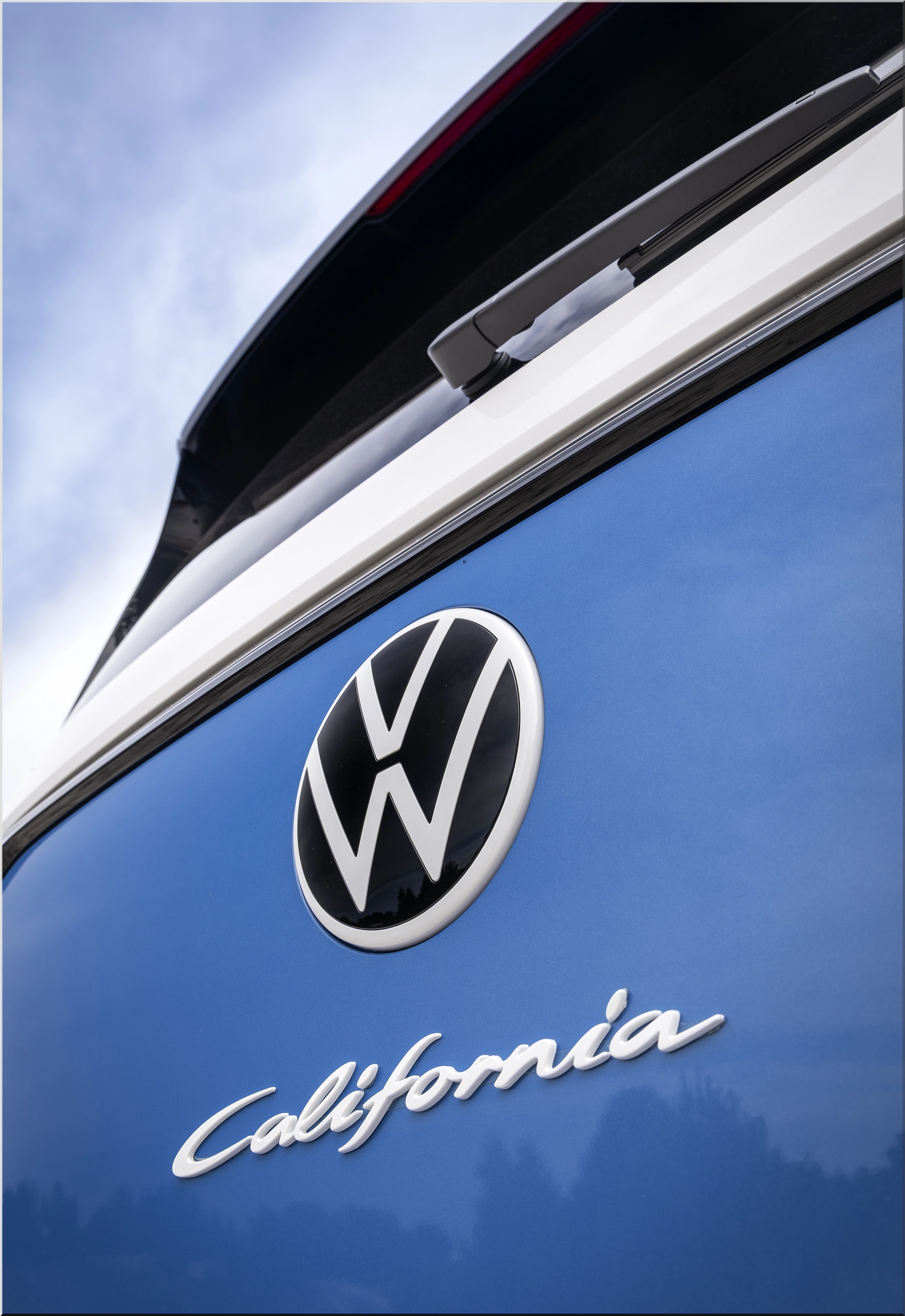
Miwo upholstery, California lettering, Cruise side graphics, two equipment packages, and a PowerSocket adapter separate it from a standard ID. Buzz Pro. The sleep kit, two chairs, and a table fit into dedicated storage areas.
Key limits define the product:
- Two berths and no upper bed
- No fixed sink, refrigerator, water tanks, or gas system
- No announced all-wheel-drive Cruise model
- No published Cruise payload, curb weight, or towing figure
How large and powerful is the electric Volkswagen camper?
Volkswagen carries over two ID. Buzz Pro body sizes and a 210 kW rear-mounted motor. The short van measures 4,712 mm, or 185.5 inches, while the long van reaches 4,962 mm, or 195.4 inches. A 250 mm, or 9.8-inch, wheelbase extension creates the extra cabin length without changing width or height.
| Specification | Short wheelbase | Long wheelbase |
|---|---|---|
| Length | 4,712 mm / 185.5 in | 4,962 mm / 195.4 in |
| Wheelbase | 2,989 mm / 117.7 in | 3,239 mm / 127.5 in |
| Width without mirrors | 1,985 mm / 78.1 in | 1,985 mm / 78.1 in |
| Width with mirrors | 2,211 mm / 87.0 in | 2,211 mm / 87.0 in |
| Height | 1,927 mm / 75.9 in | 1,927 mm / 75.9 in |
| Turning circle | 11.2 m / 36.7 ft | 11.8 m / 38.7 ft |
| Usable battery, base vehicle | 79 kWh | 86 kWh |
| Motor output | 210 kW / 282 hp | 210 kW / 282 hp |
| Maximum torque | 560 Nm / 413 lb-ft | 560 Nm / 413 lb-ft |
| DC charging peak, base vehicle | 185 kW | 200 kW |
| Reference WLTP range, base vehicle | About 460 km / 286 mi | Up to 498 km / 309 mi |
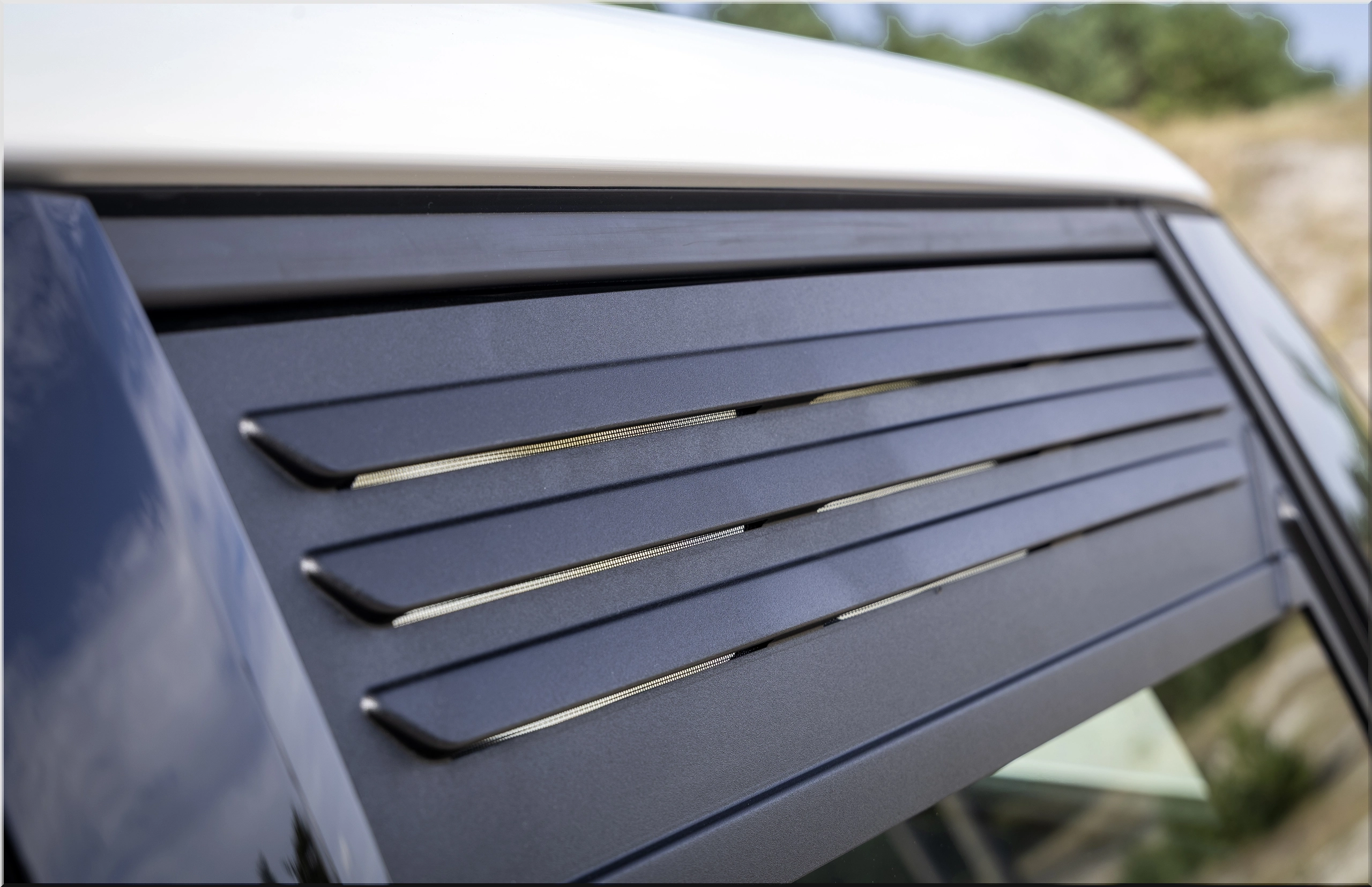
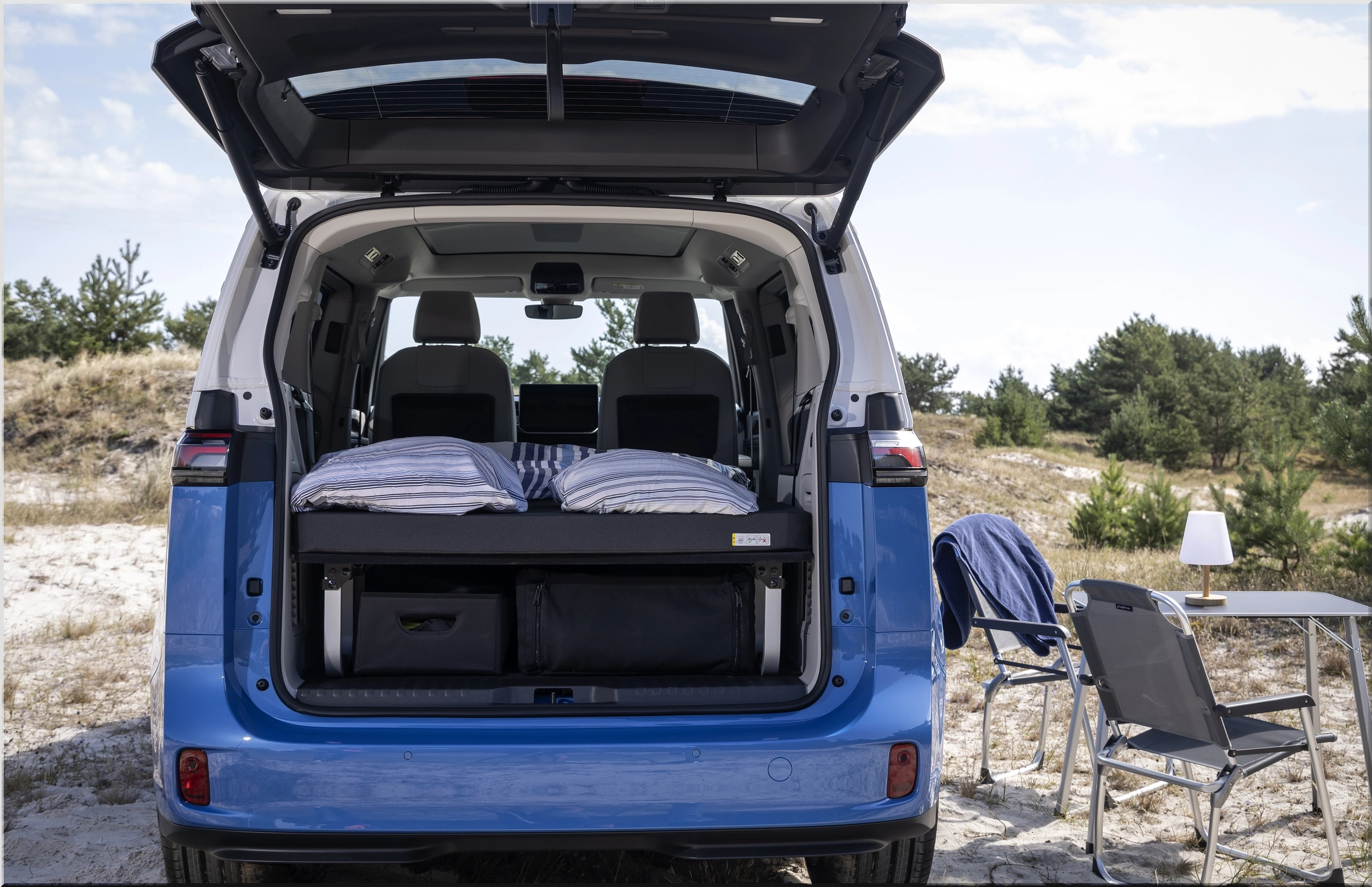
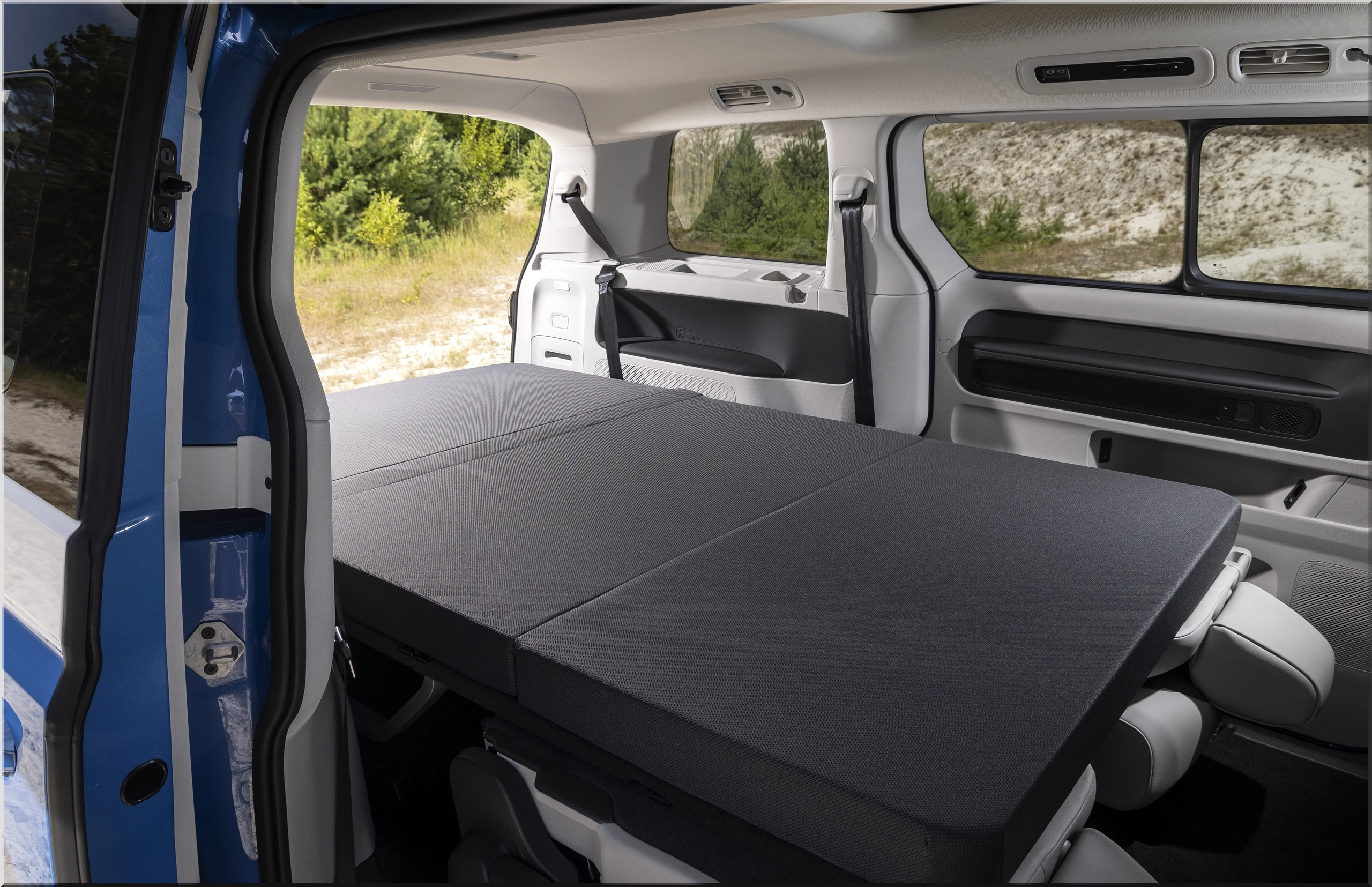
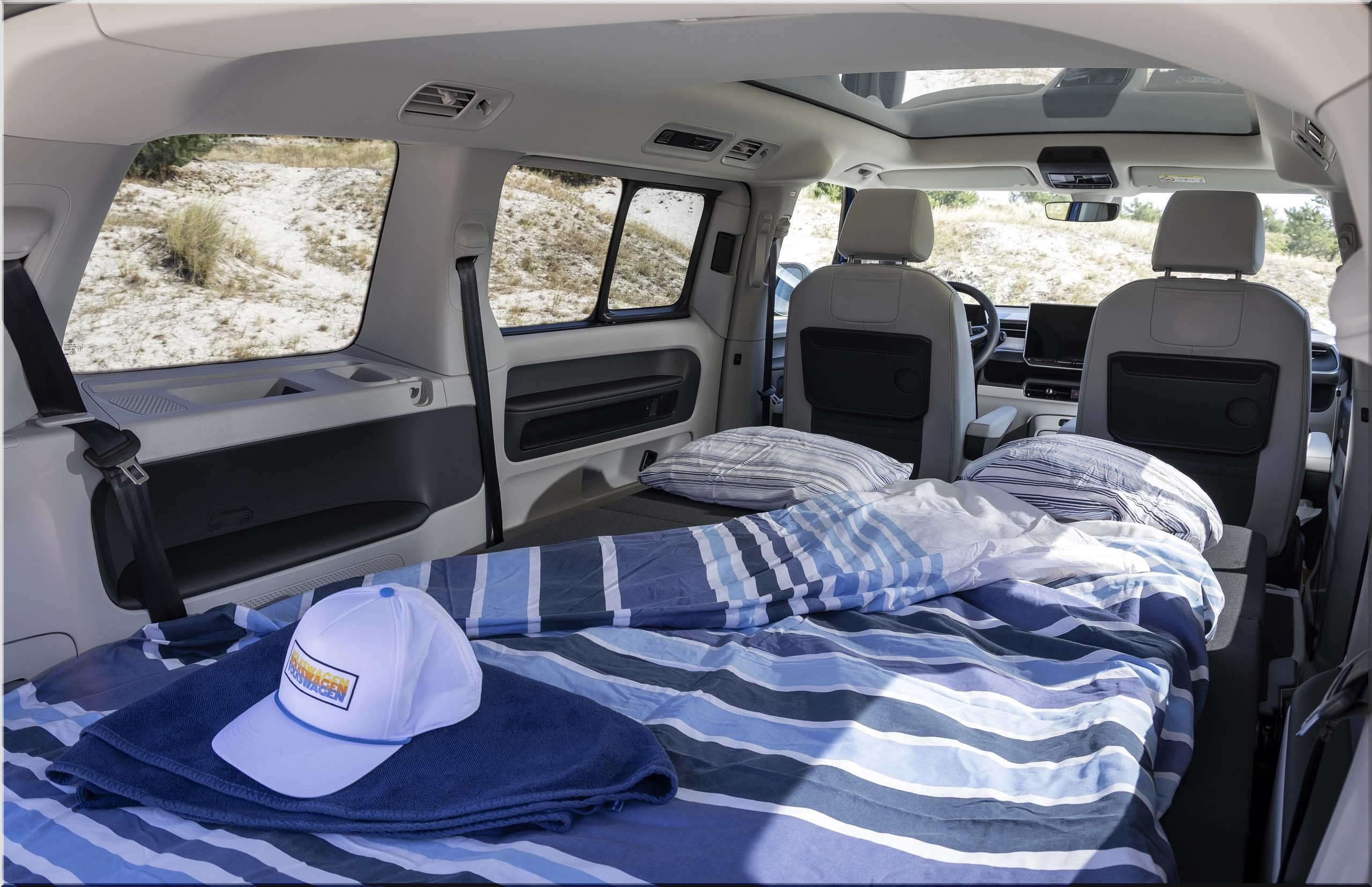
Specifically, the bed measures 2,030 x 1,200 mm, or 79.9 x 47.2 inches. Its 90 mm, or 3.5-inch, mattress provides ample length but modest width for two adults. Window covers and front-window grilles add privacy and passive ventilation.
The single-speed drive sends torque to the rear wheels without shifts. Volkswagen has not published a Cruise torque curve, ground clearance, approach and departure angles, certified range, loaded consumption, or final charging curve. Battery-electric testing uses kWh/100 km rather than MPG, and the table uses base-vehicle references.
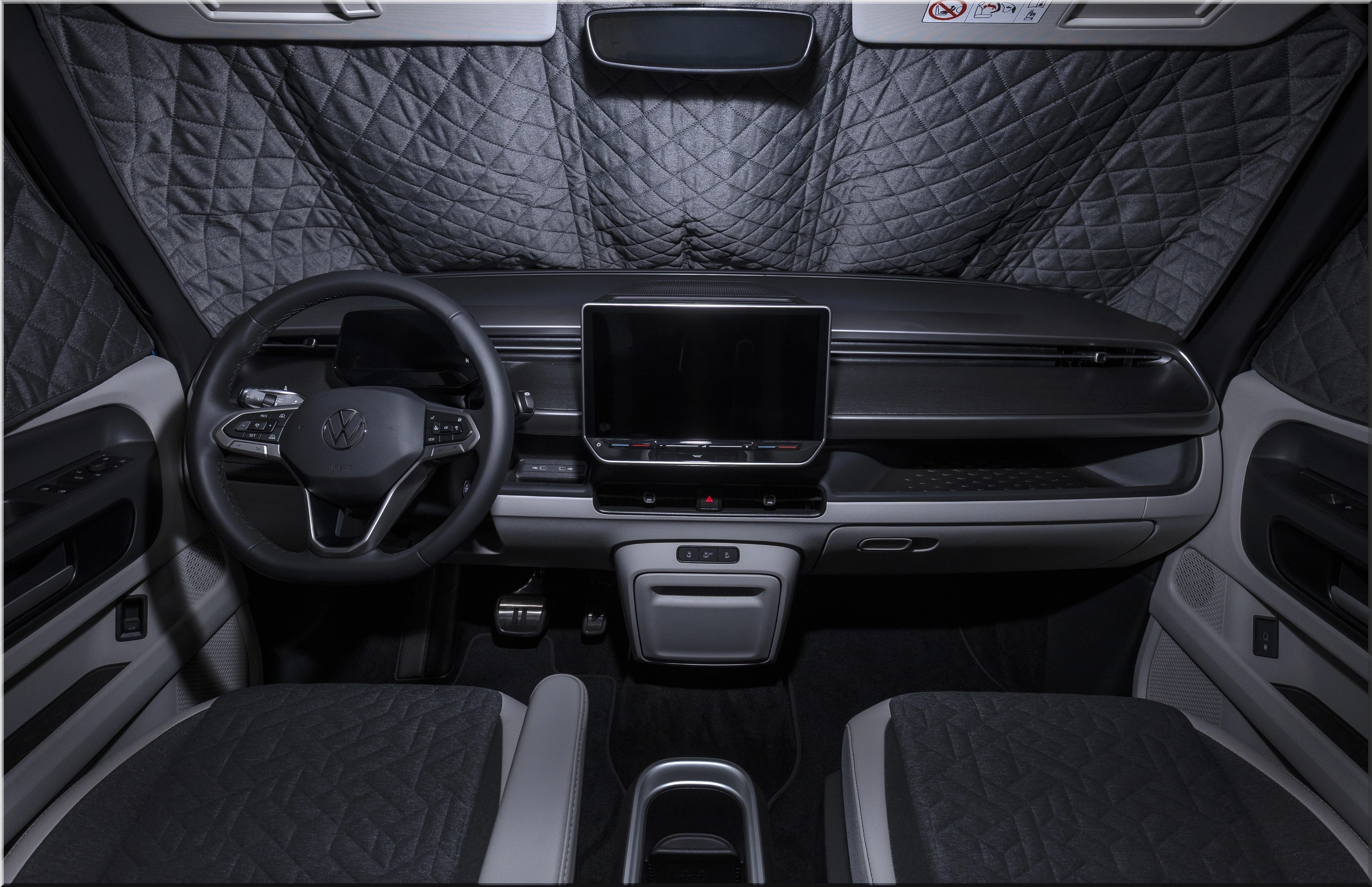
How do California Mode and V2L support off-grid camping?
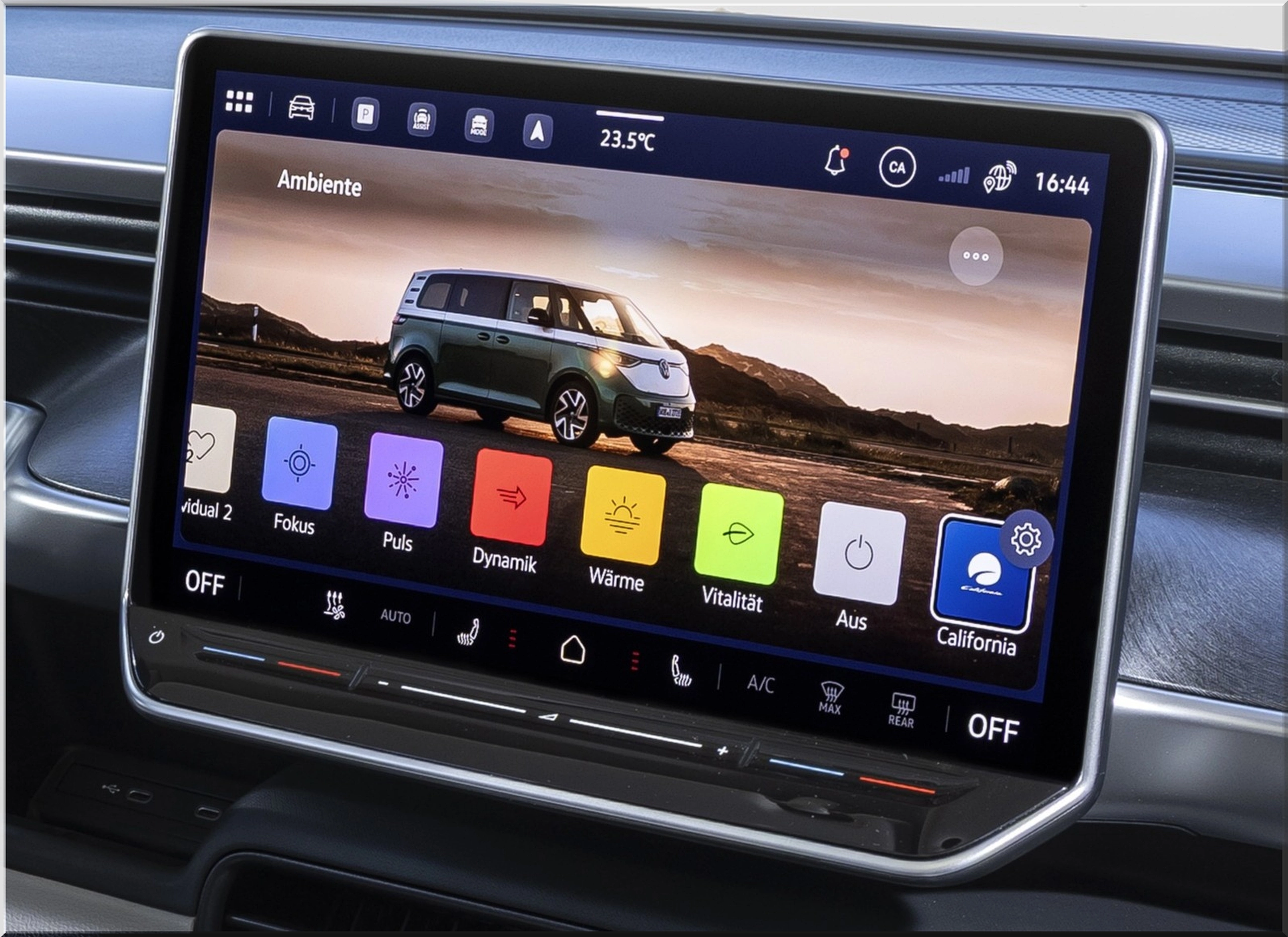
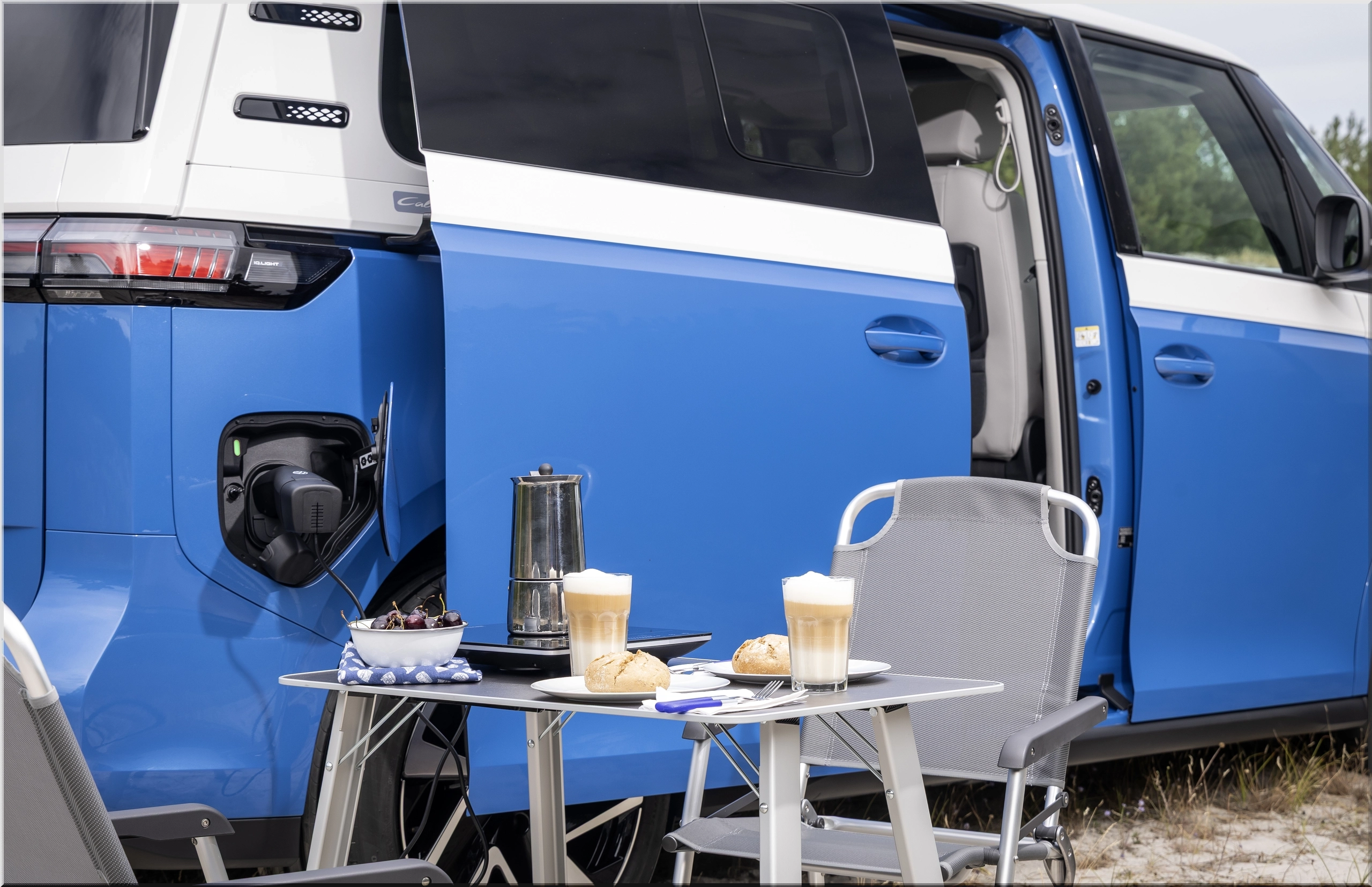
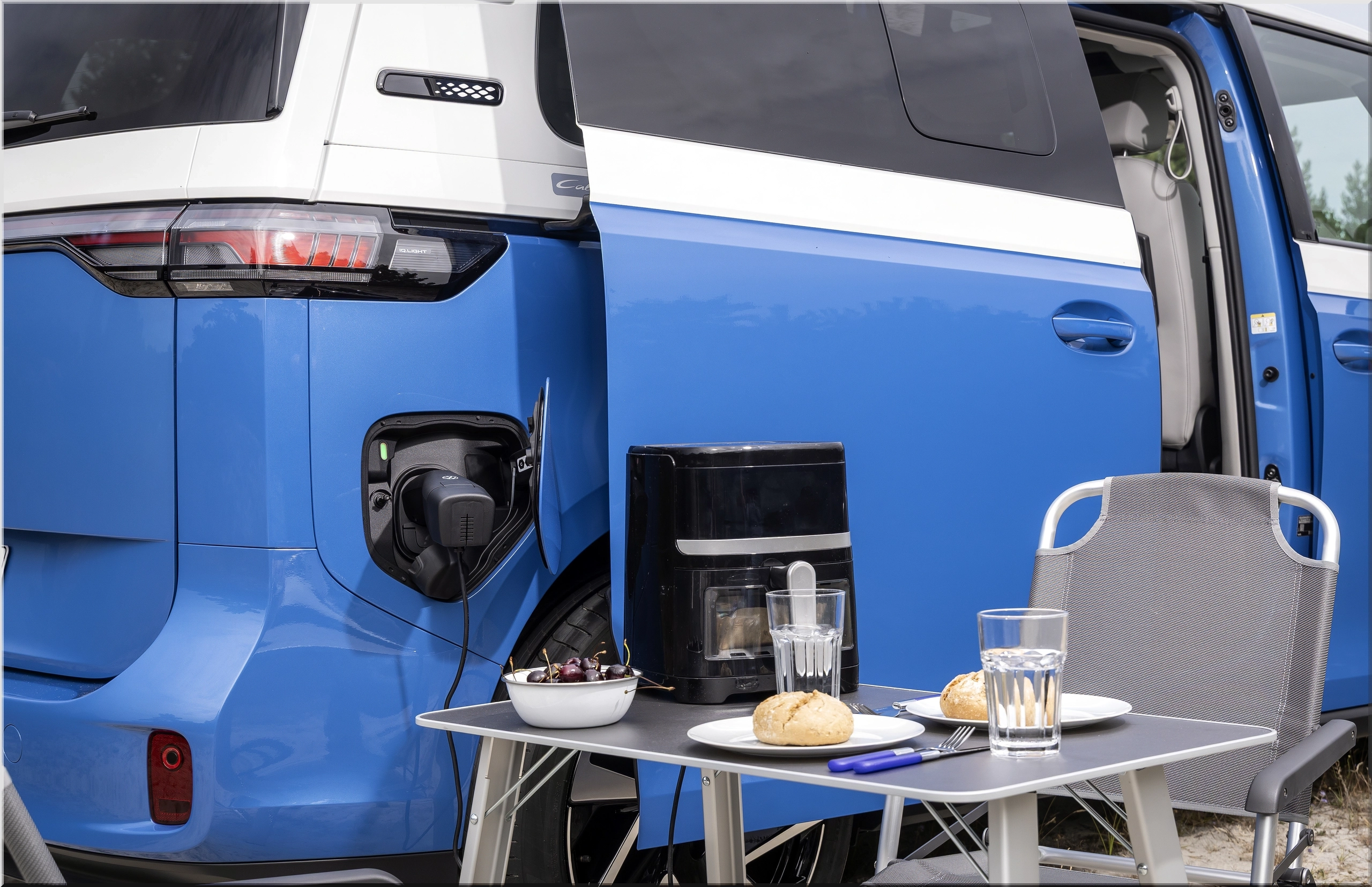
California Mode keeps selected lights, USB ports, cabin heating, and air conditioning active while the van remains parked. Volkswagen claims up to 48 hours of temperature control, subject to battery charge and outside temperature. V2L supplies external equipment with 2,000 watts continuously and permits a short 3.6 kW peak through the PowerSocket adapter.
The continuous rating can run a coffee maker, induction plate, cooler, laptop, e-bike charger, or lighting. Users must manage simultaneous loads and preserve battery for the next stop. In addition, cabin heat can consume far more energy than device charging.
| Eight-hour camp-use example | Energy used | Share of 86 kWh pack | Range equivalent at 20 kWh/100 km |
|---|---|---|---|
| 60 W cooler | 0.48 kWh | 0.6% | 2.4 km / 1.5 mi |
| 100 W device load | 0.80 kWh | 0.9% | 4 km / 2.5 mi |
| Climate averaging 1 kW | 8.0 kWh | 9.3% | 40 km / 24.9 mi |
| Maximum 2 kW V2L draw | 16.0 kWh | 18.6% | 80 km / 49.7 mi |
These examples illustrate energy budgeting, not Volkswagen's climate consumption. Cabin setpoint, wind, outside temperature, and door openings can shift the result.
Pro-Tip: Set a departure reserve before using overnight climate or cooking gear. An 80 km drive at 25 kWh/100 km needs 20 kWh. Add a 10 kWh buffer, and an 86 kWh pack needs roughly 35 percent remaining. Use 40 percent for safer operating room.
How far should owners plan to drive between charges?
Volkswagen has not released a certified ID. California Cruise range. Matching ID. Buzz Pro body and battery combinations achieve roughly 460 to 498 km, or 286 to 309 miles, under WLTP testing. Camping hardware, passengers, motorway speed, cabin conditioning, cold weather, and V2L use will reduce the distance available between stops.
From an expert perspective, use 70 to 80 percent of the base vehicle rating until owner data arrives. That yields 200 to 245 miles, or 322 to 394 km, before a reserve. This remains a planning assumption, not a Volkswagen claim.
The base vehicle completes a 5-to-80-percent DC session in roughly 30 minutes, adding 55.3 or 60.2 kWh. Looking at the data, average input equals about 111 or 120 kW. Battery temperature and the charging curve therefore count more than peak power.
For faster road-trip stops:
- Arrive near 10 percent rather than near zero.
- Precondition the battery before rapid charging.
- Favor shorter 10-to-70-percent sessions when charger spacing permits.
- Reserve overnight energy before selecting the final campsite.
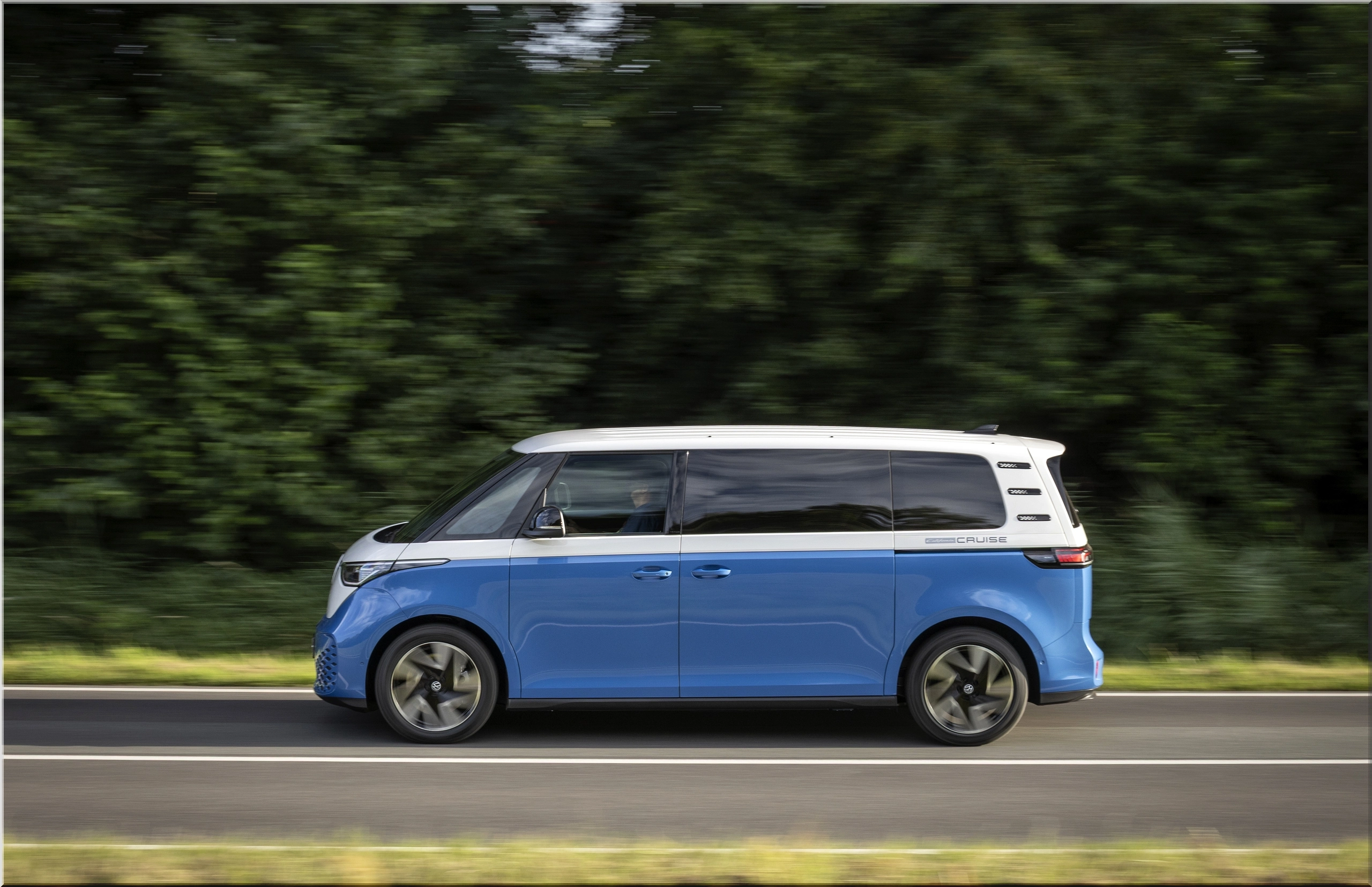
How does the ID. California Cruise compare with electric camper rivals?
The Volkswagen ID. California Cruise wins on charge rate, compact dimensions, and factory-integrated energy controls, but its two-berth cabin lacks the kitchen and pop-up roof that several alternatives offer. By comparison, the Opel Crosscamp Flex and Tonke EQV prioritize living equipment. They also bring slower DC charging, larger bodies, higher prices, or added conversion complexity.
| Model | Energy and drive | Published EV range | DC peak | Berths | Kitchen | Main trade-off |
|---|---|---|---|---|---|---|
| VW ID. California Cruise | 79/86 kWh, RWD | Cruise pending; base van 286-309 mi / 460-498 km | 185/200 kW | 2 | No fixed unit | Fast charging; limited camper hardware |
| Opel Zafira-e Crosscamp Flex | 75 kWh, FWD | 200 mi / 322 km | 100 kW | 4 | Sink and gas hob | Four berths; older charging hardware |
| Tonke Mercedes EQV Touring | 93 kWh usable, FWD | 222 mi / 357 km for base EQV | 110 kW | 2, or 4 with roof option | Induction hob, sink, 36 L fridge | Rich cabin; 5,140 mm body and higher price |
| VW California Beach Camper eHybrid | 19.7 kWh usable PHEV, AWD | Up to 57 mi / 92 km electric | 40 kW typical / 50 kW peak | 4 | Single gas hob | Full camping cabin; petrol use on long trips |
Consequently, the Cruise sits between a passenger van and a full camper. Its 4,712 mm short body undercuts the 4,950 mm Opel and 5,140 mm Mercedes. Cooking and water storage require portable equipment.
Does the ID. California Cruise deliver good value for campers?
The converted German starting price of about $70,800 compares well with premium electric conversions, yet equipment depth remains limited. Volkswagen has not announced long-wheelbase pricing, a US MSRP, or a camper-package price split. The strongest financial case comes from replacing a family vehicle and paid accommodation with one frequently used electric van.
Replacing 30 hotel nights per year at $120 each avoids $3,600 annually, or $18,000 across five years, before campsite fees, charging, finance, insurance, maintenance, and depreciation. Compare that total with the Cruise premium over a suitable ID. Buzz.
Pro-Tip: Use this ROI equation: camper premium plus added finance cost, divided by annual lodging and rental savings. Buyers who camp fewer than ten nights each year may gain better value from a removable ID. Buzz sleep kit or occasional camper rental.
Before ordering, ask the dealer for:
- Certified range and consumption for the exact wheelbase
- Curb weight, payload, axle limits, and towing rating
- Standard and optional camping equipment at the quoted price
- V2L limits, regional app functions, and Plug and Charge access
- Warranty terms for the bed platform and electrical adapter
The Volkswagen ID. California Cruise adds useful camping functions without permanent furniture. It suits couples who value quiet overnight climate, V2L power, and one manageable daily vehicle. Buyers needing four berths, indoor cooking, or water storage should consider a rival or Volkswagen's fuller electric California models due in 2028.
- Add new comment
- 38 views