A Milestone in Electric Transformation
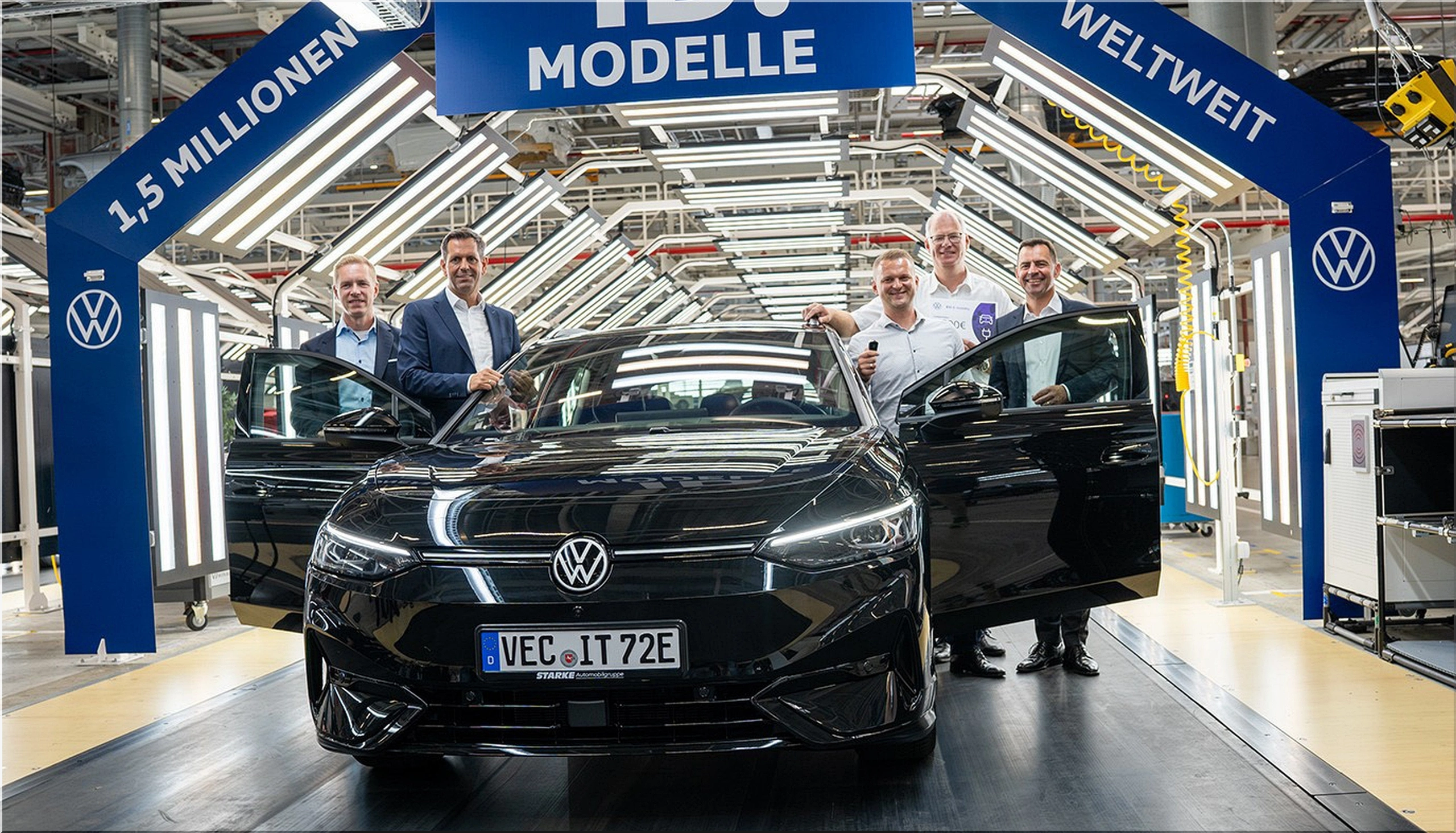
Volkswagen has delivered its 1.5 millionth all-electric ID. model, marking a significant step in its transition to electric mobility. The milestone vehicle, a black ID.7 Tourer Pro built in Emden, Germany, offers up to 606 kilometers (377 miles) of range (WLTP). The delivery highlights Volkswagen’s rapid EV scale-up since the ID.3 launch in 2020.
This production benchmark matters because Volkswagen is the largest automaker in Europe. Its EV rollout affects supply chains, charging infrastructure, and consumer adoption across multiple regions. The 1.5 million figure puts Volkswagen among the top global EV manufacturers, alongside Tesla and BYD.
Volkswagen’s EV Ramp-Up Timeline
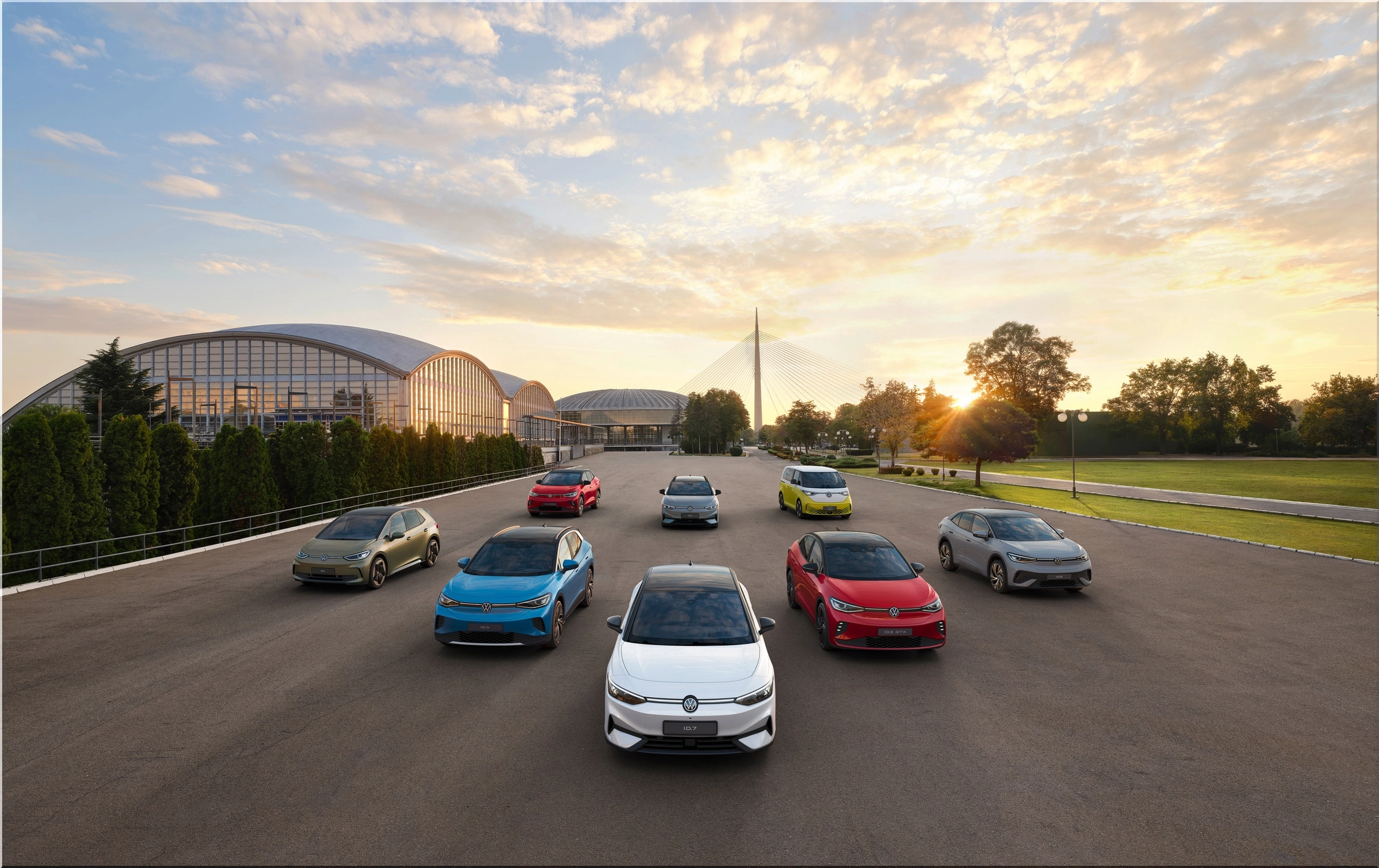
Volkswagen built momentum by adding EVs to its ID. family at a steady pace:
- 2020 – ID.3 launched (compact hatchback).
- 2021 – ID.4 SUV, followed by ID.5 Coupe-SUV.
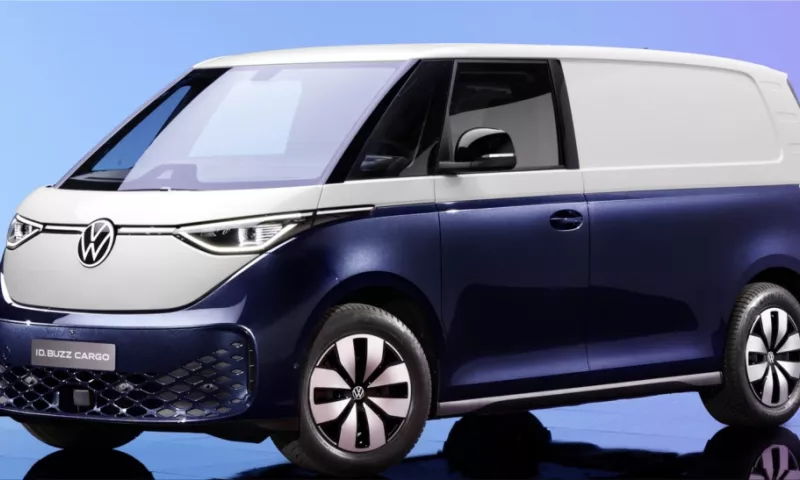
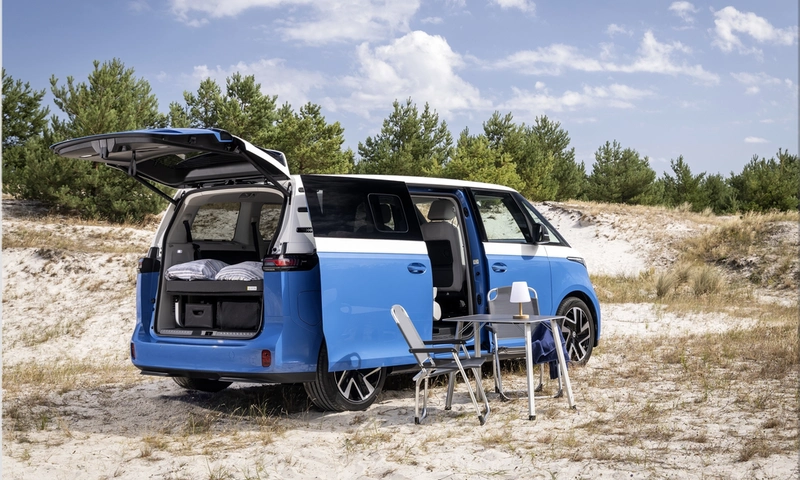
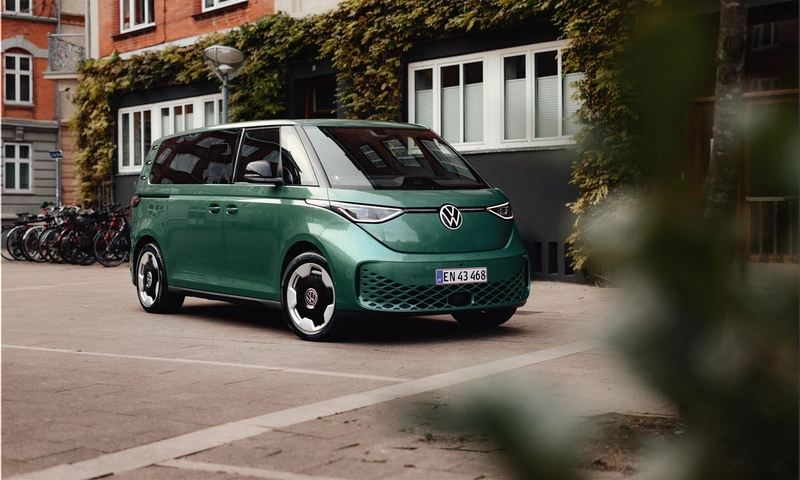
- 2022 – ID. Buzz, the all-electric van, entered production.
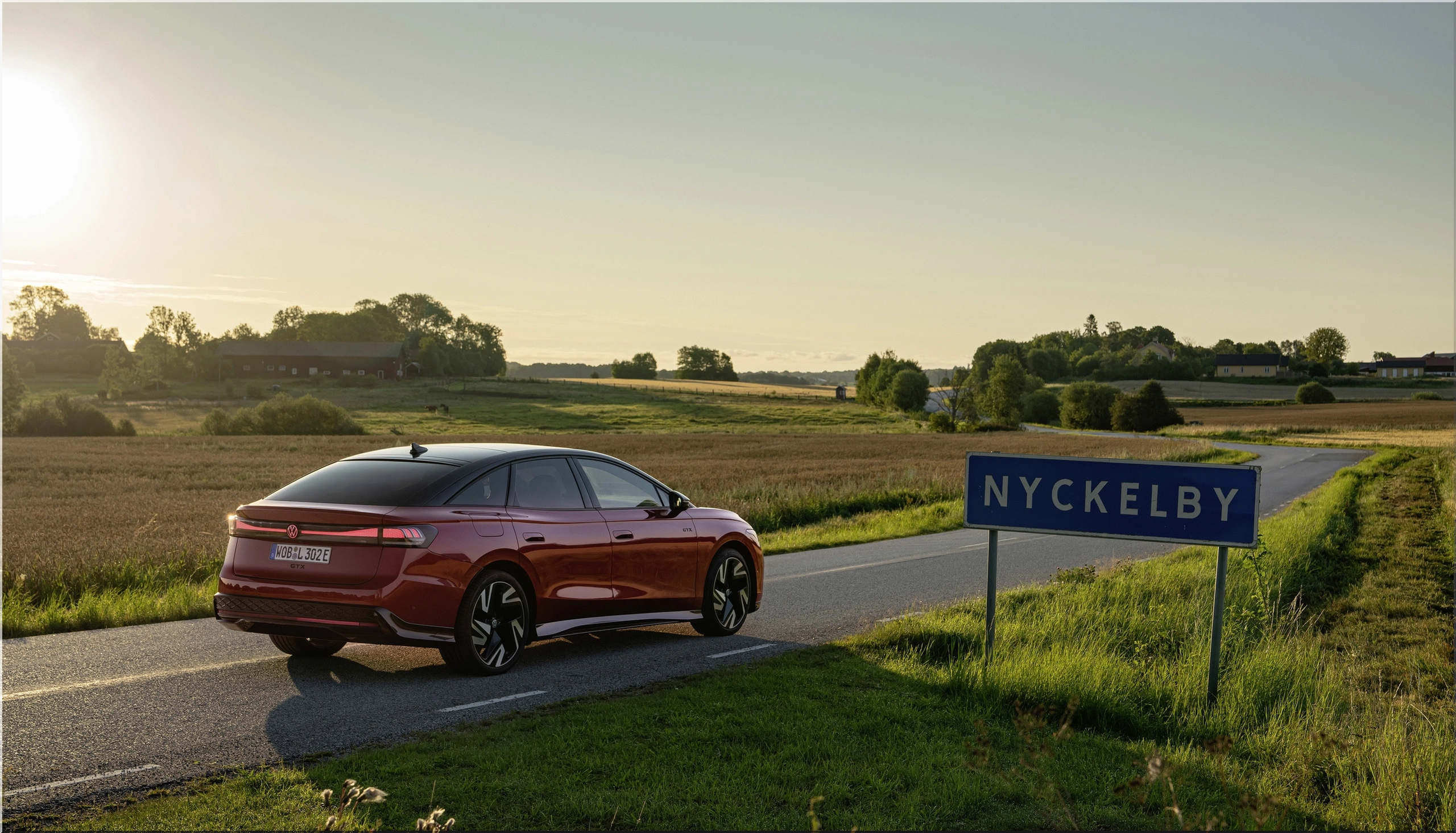
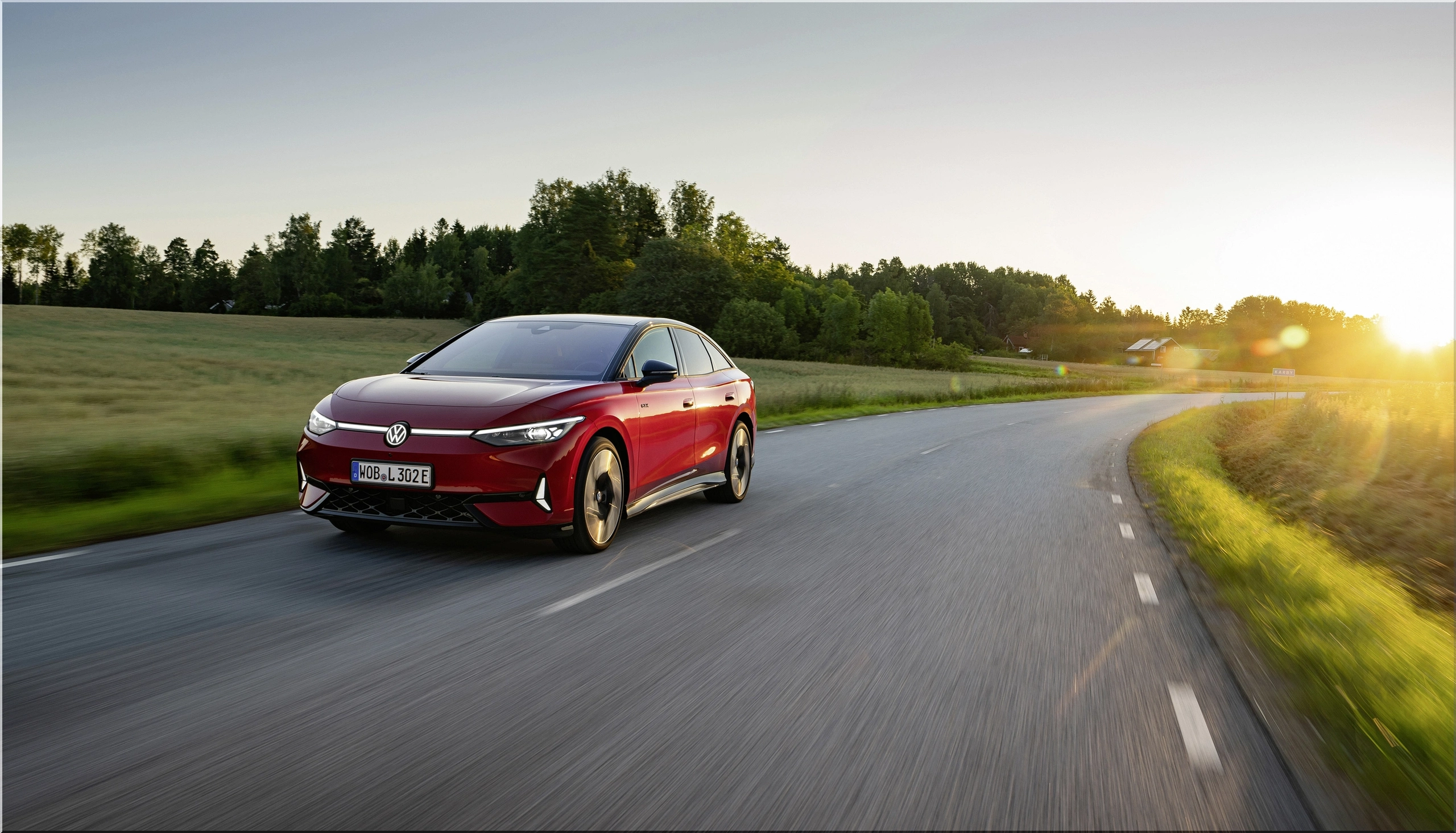
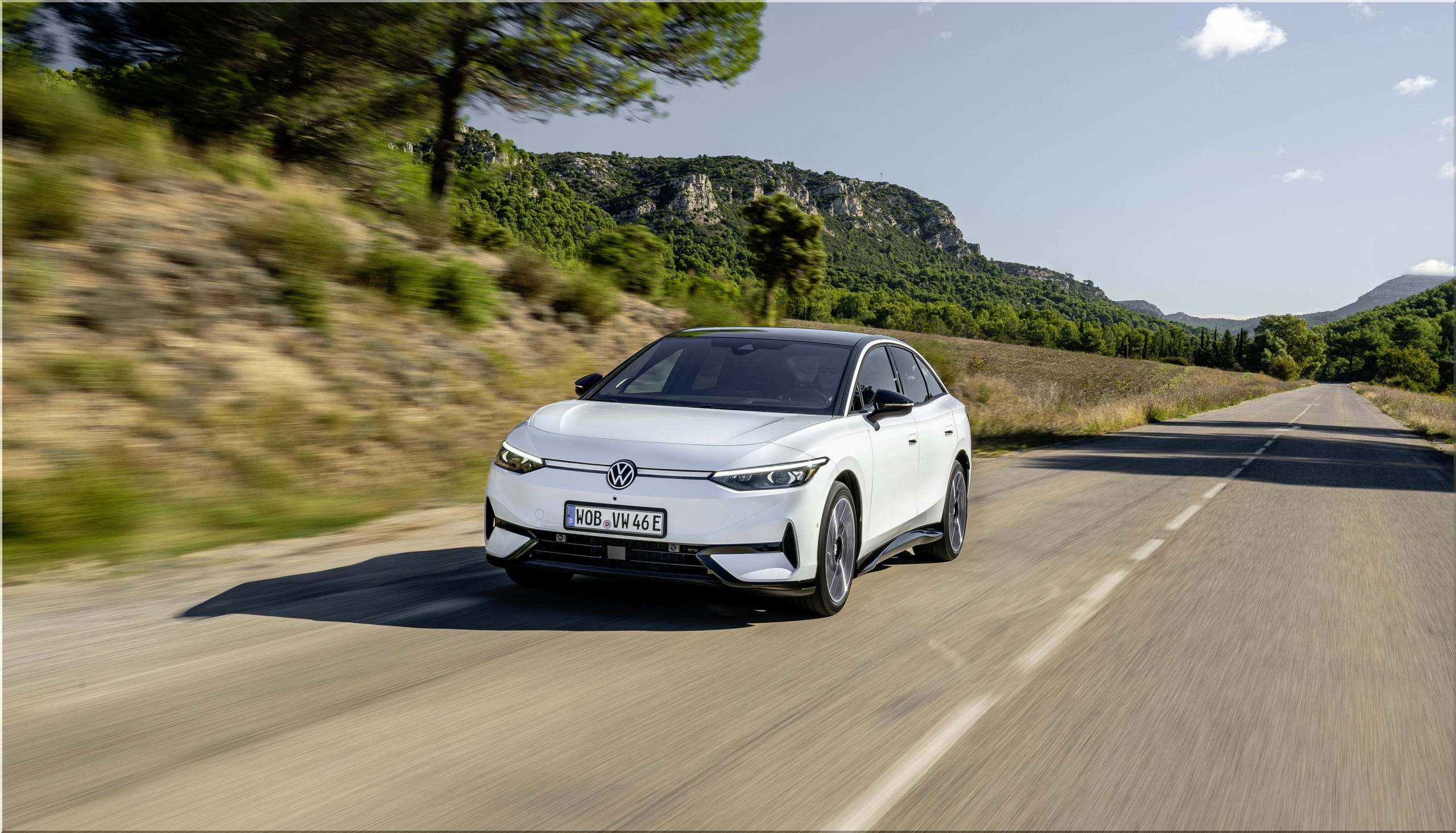
- 2024 – ID.7 sedan and ID.7 Tourer introduced.
- 2025 H1 – ID.7 Tourer became Germany’s top-selling EV.
By mid-2025, Volkswagen had not only expanded its EV portfolio but also positioned itself as a leader in European EV registrations.
Why the Emden Factory Matters
The Emden plant demonstrates Volkswagen’s investment strategy. The automaker has poured over $1.1 billion USD into transforming the site into a dedicated EV facility.
Key points:
- Emden, along with Zwickau and Dresden, produces only EVs.
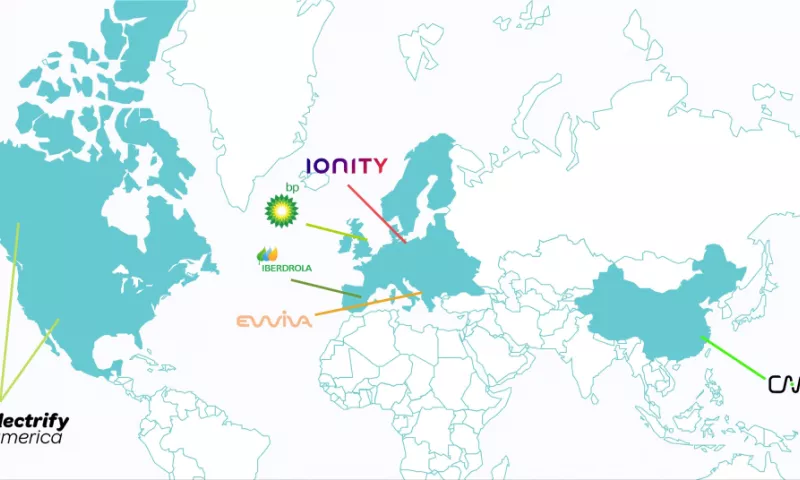
- Volkswagen now runs ID. production across Europe, the U.S. (Chattanooga), and China (Foshan, Changsha, Anting).
- This multi-region production reduces risk from supply chain disruptions.
The Emden plant alone signals Volkswagen’s intention to build EV capacity that can scale globally.
The Market Impact of 1.5 Million Deliveries
The EV industry tracks milestones closely because they reveal production capacity and demand signals. Here’s what Volkswagen’s 1.5 million deliveries show:
- Scale achieved: VW can sustain EV output at industrial levels.
- Consumer demand: EV adoption in Europe has reached a tipping point, with VW leading registrations.
- Fleet buyers dominate: Most sales still go to corporate customers due to tax incentives. Private adoption lags.
- Competition pressure: Tesla and BYD face stronger resistance in Europe, where VW has scale, brand loyalty, and dealer networks.
Pricing Strategy: Affordable EVs Incoming
Volkswagen’s future product roadmap targets the biggest barrier to EV adoption: price.
Upcoming models:
- ID.2all (2026 launch) – Expected price: under $27,000 USD.
- ID. EVERY1 (2027 launch) – Entry-level EV around $21,500 USD.
Both vehicles aim to make EV ownership affordable to middle-class households. If delivered on time, this could expand VW’s EV base well beyond fleet buyers.
Policy Dependency and Risks
Volkswagen executives stress the need for government support to boost private EV demand. Without incentives, growth slows:
- Fleet buyers benefit from tax breaks, but private buyers still face higher upfront costs.
- Charging infrastructure remains uneven across European markets.
- Incentive rollbacks in Germany in 2023 led to a sales slowdown, showing how sensitive demand is to subsidies.
Martin Sander, VW’s sales chief, directly called for clear signals and targeted subsidies to accelerate adoption.
Competitive Landscape: Where VW Stands
Comparing Volkswagen’s 1.5 million EV milestone with competitors:
| Automaker | EV Deliveries (approx.) | Key Markets | Competitive Advantage |
|---|---|---|---|
| Tesla | 5.5M+ since 2012 | U.S., Europe, China | Software, charging network |
| BYD | 6M+ (incl. plug-in hybrids) | China, expanding to Europe | Scale, vertical integration |
| Volkswagen | 1.5M since 2020 | Europe, China, U.S. | Brand trust, production footprint |
Tesla and BYD lead in total numbers, but Volkswagen’s acceleration since 2020 is significant. Unlike Tesla, VW can tap decades of dealer and service infrastructure, which helps scale in conservative markets.



Key Takeaways for Investors and Policymakers
Volkswagen’s milestone signals both progress and remaining challenges.
- Production scaling works: VW converted plants and built global capacity quickly.
- Adoption gap persists: Private buyers hesitate without stronger incentives.
- Competition intensifies: Tesla and BYD remain ahead globally, but VW holds a strong position in Europe.
- Affordable EVs matter most: Success of the ID.2all and ID. EVERY1 will decide if VW expands beyond fleets.
For policymakers, this milestone shows that subsidies still drive adoption. For investors, it confirms VW’s EV shift is not slowing.
Conclusion
Volkswagen delivering its 1.5 millionth ID. EV is more than symbolic. It proves the company can mass-produce electric cars at scale while preparing lower-cost models for mainstream buyers. The automaker leads Europe in EV registrations and has the infrastructure to compete globally.
The challenge is clear: convert private buyers at scale. With affordable EVs due in 2026 and 2027, Volkswagen’s next milestone will depend less on production and more on consumer adoption.
- Add new comment
- 58 views